For the most part, I agree with many of the assessments that have been made here regarding increasing zoning height restrictions throughout the city, including the Granary district. I live in the Granary district, and while the existing urban fabric contains some pretty cool industrial buildings that can be repurposed, I do think that there is a loooooooot of potential for additional development.
And the issue I see with Salt Lake's "warehouse district," as opposed to the districts in cities already mentioned, along with Detroit's warehouse district where I spent a large portion of my college years, is that we do not have
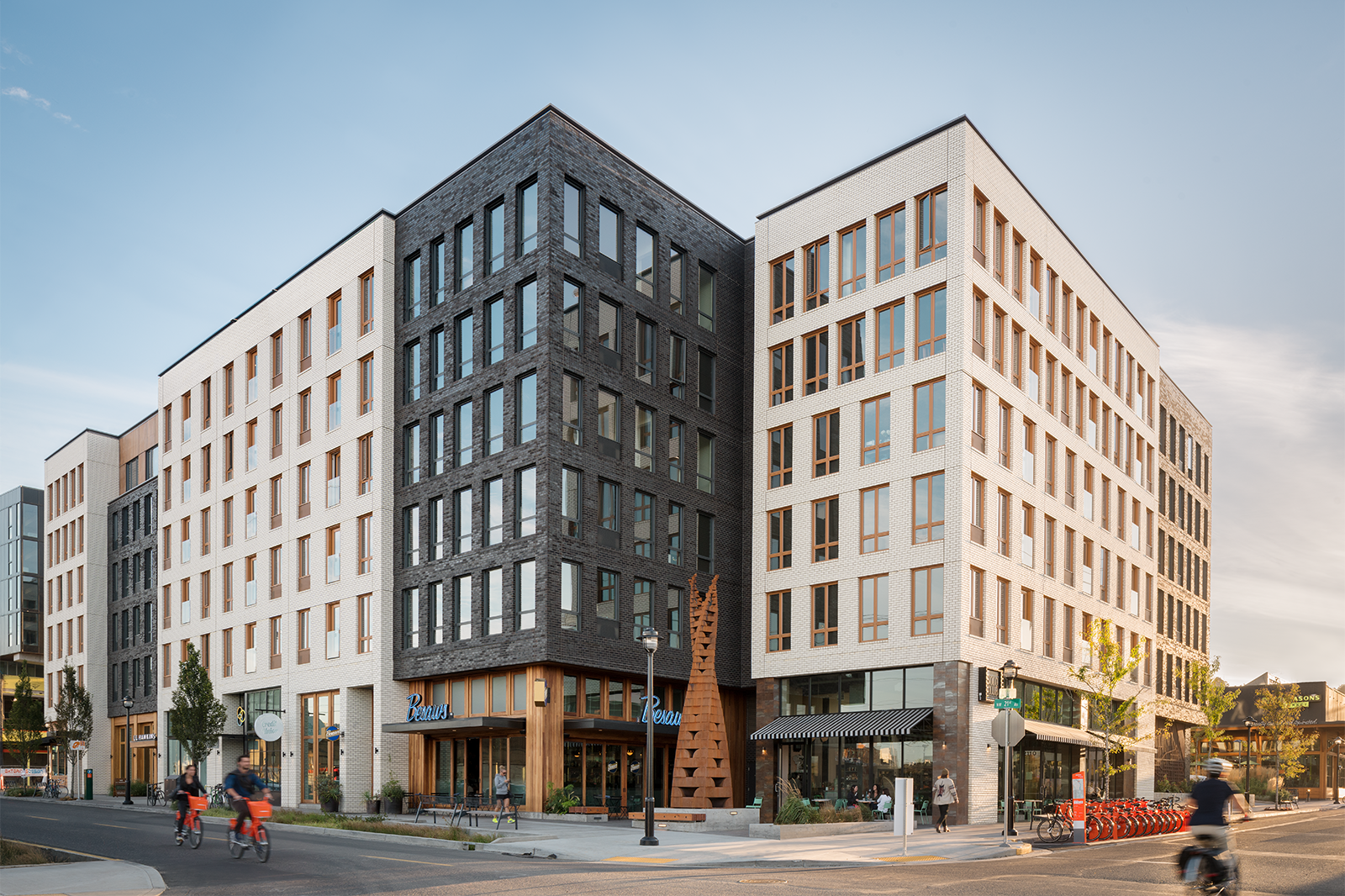
enough of the historic building fabric to truly designate this as an established warehouse district with an established character. Right now, the character of the Granary is banal, low-height, light industrial buildings. We don't have the 5-7 story brick warehouse and factory buildings of larger cities, and we have seen this lack of historical fabric manifest with modern day historic warehouse imitations, i.e.
Pacific Yards (brick/stone facades, grid windows, etc.).
All that to say that IMO, living in the Granary, there isn't a lot of existing "warehouse" character, and we should open the district up to additional height and creativity.
To that last point, I wanted to mention another issue that I've seen come to the fore over the last several years. Specifically, allowable heights per the building code. One of the reasons the 5-over-2 product is so prevalent is that it is very easy to build from a code standpoint. Only the exterior walls of the building are required to be rated (outside of elevator and stair shafts, and other requirements for ratings between units, corridors, etc.). But the key there is that none of the structural elements are required to be rated.
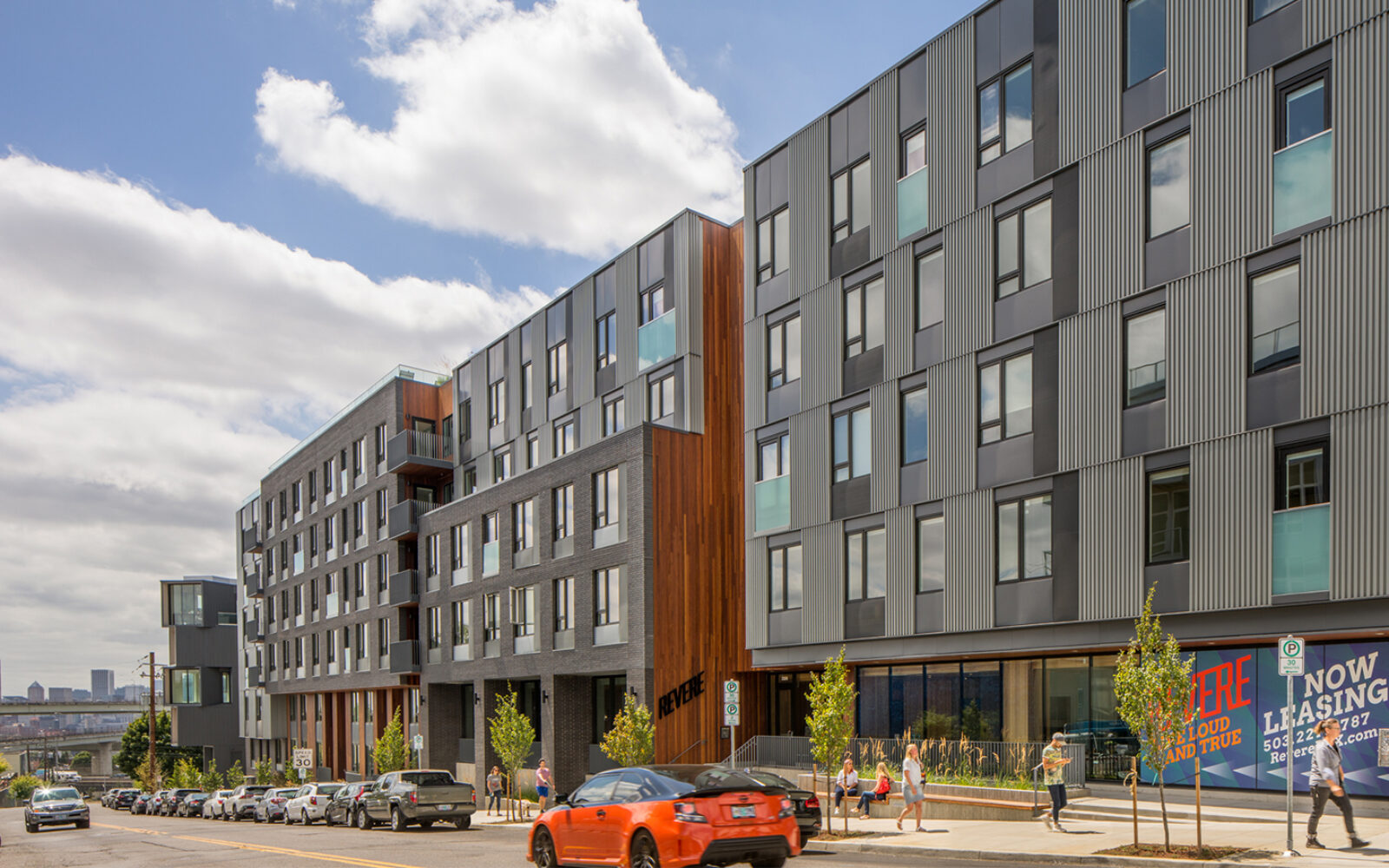
Anything above a 5-over-2 triggers additional fire rating requirements. A 5-over-3 requires most structural elements to be 1-hour rated. And while this construction type technically still allows for wood, most 5-over-3 products (Brinshore, 6th and Main) use metal stud framing.
All that to say that anything above 7-stories and 75' feet gets more expensive, quickly. This scares developers away (have seen this happen many times personally) from pursuing added height,
especially if a design review is required. We have not seen many developers push the height in the D-2 zone because only 65' is allowed by-right, and a design review is required for the 120' maximum.
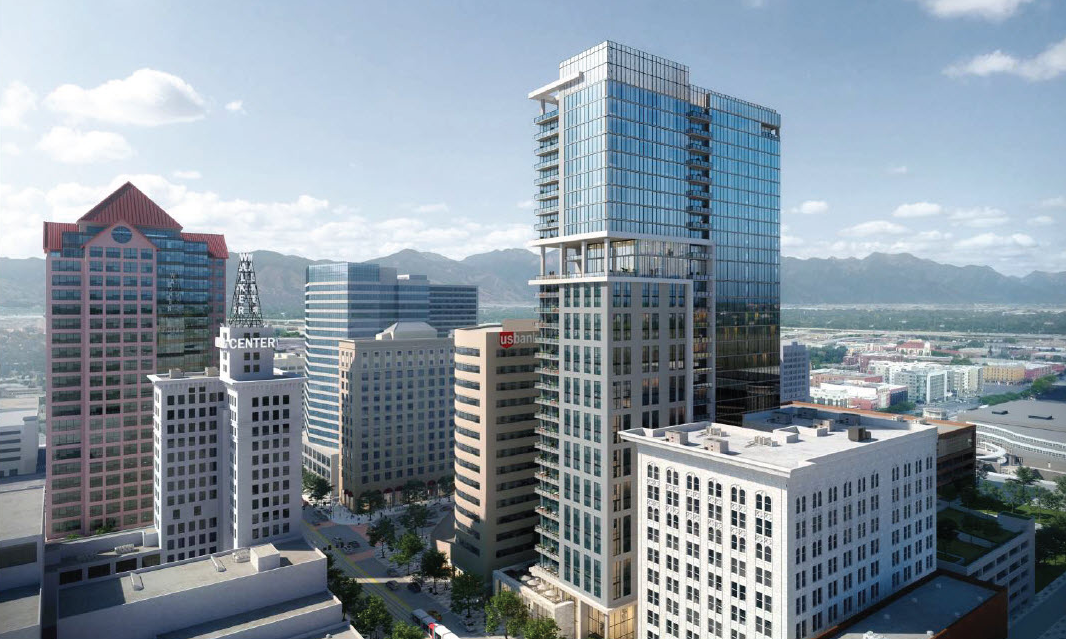
What we should do in areas of the city where heights are being increased is bump up allowable maximums to either 120' (maximum height allowed for Type II-B - metal stud system typically - and IV-B - Heavy Timber! - construction), or 180' (maximum allowable height for Type IV-A - still Heavy Timber! - construction). Allowing these heights - at a minimum - to be achieved by-right has the potential to encourage developers to build taller and add the density we so desperately need, as it would squander a financial opportunity to not build taller.
Note that it may still be worth it for the city to implement some design standards, as they have with the TSA zone. This would further encourage better design while pushing heights upward.
Anyhow, that concludes my ramblings. Long story short, we should consider the existing character - or lack thereof - in the Granary district and develop a plan to define that character (without imitating a style of warehouse building whose old-school qualities cannot be replicated) while pushing height limits up, being cognizant of the defined height limits in the building code and ways in which to encourage developers to explore different construction types that
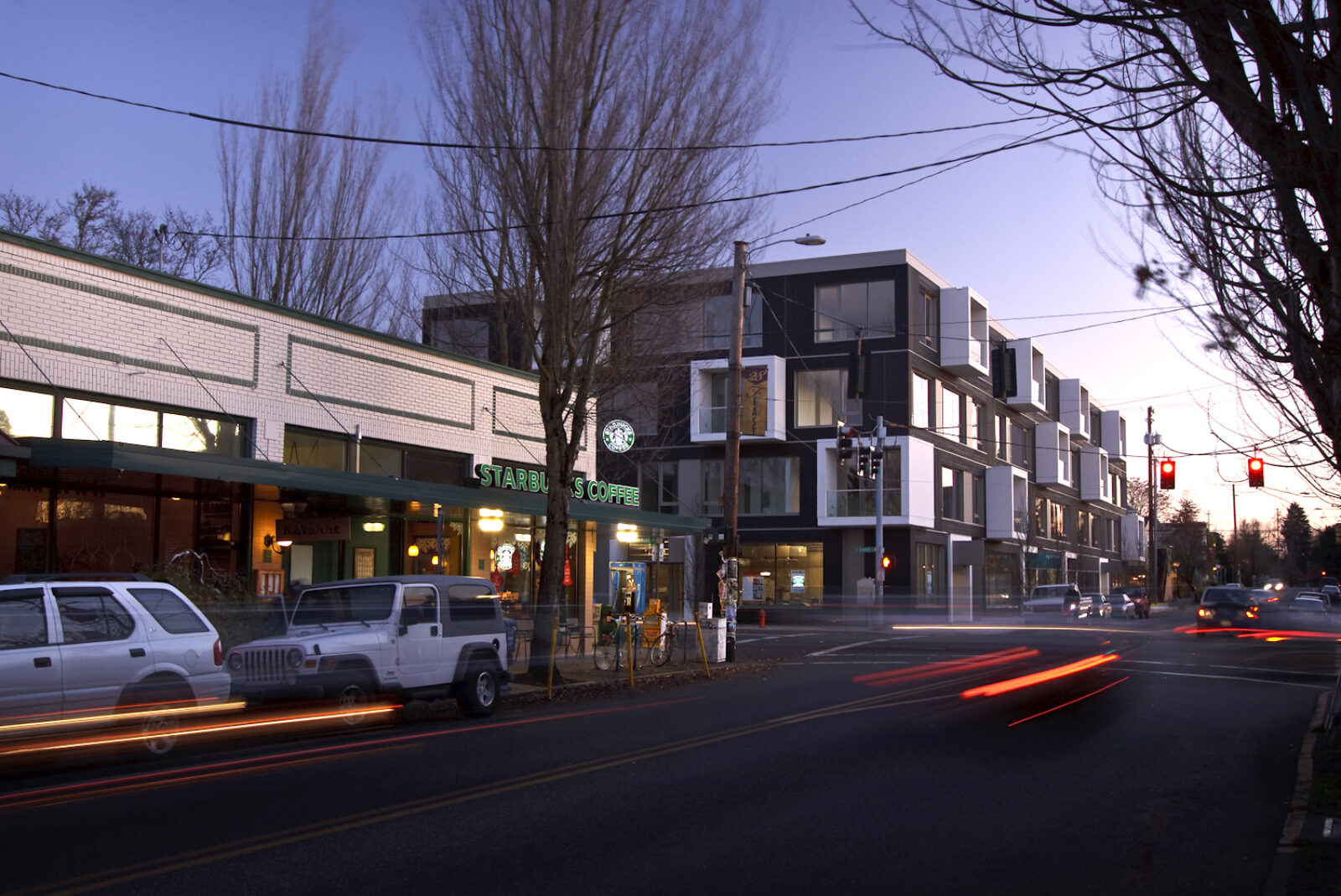
don't result in a bunch of stucco boxes. Because, honestly, that's not character.





 Prev
Prev








 Linear Mode
