A bit overshadowed by Brussels, Antwerp has historically been known for its port and diamonds. However, it also has a beautiful historic square, plenty of architectural gems, good museums, and you can easily reach Ghent and Bruges for day trips. Hotels are also cheaper, making it an attractive base to explore Belgium.
From Brussels' airport, it is only a 30 minute train ride into Antwerp's spectacular central station. Ghent is an hour away in a different direction while Bruges is a further 30 minutes out.
I stayed for 3 nights, spending 1.5 days in the city exploring the old town and selecting 1 museum to visit. I spent another day in Ghent.
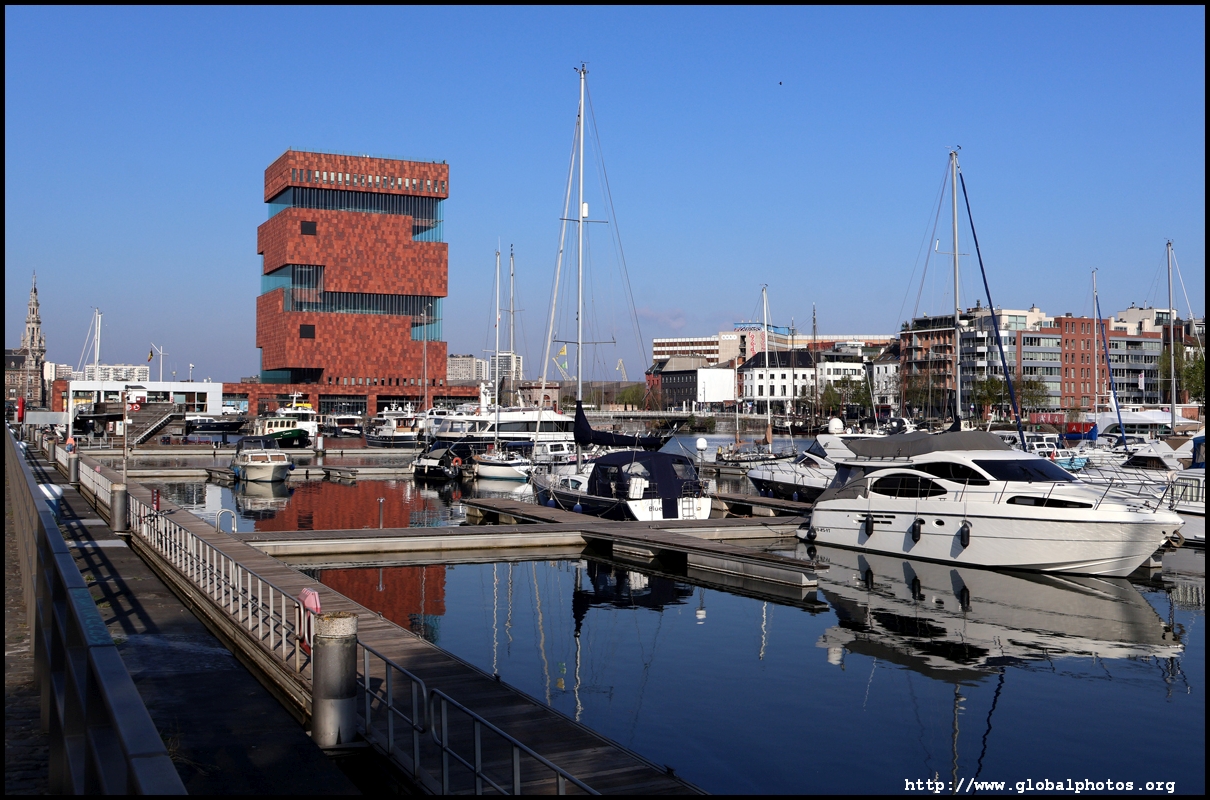
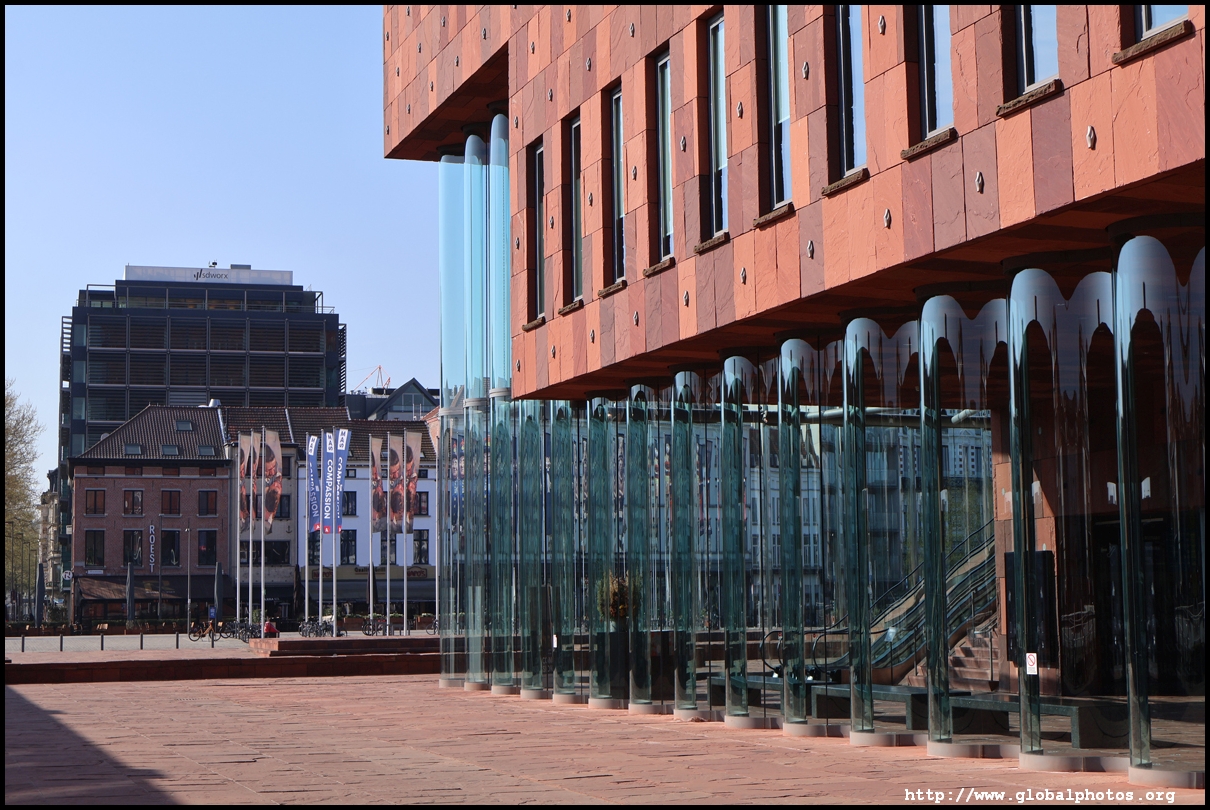
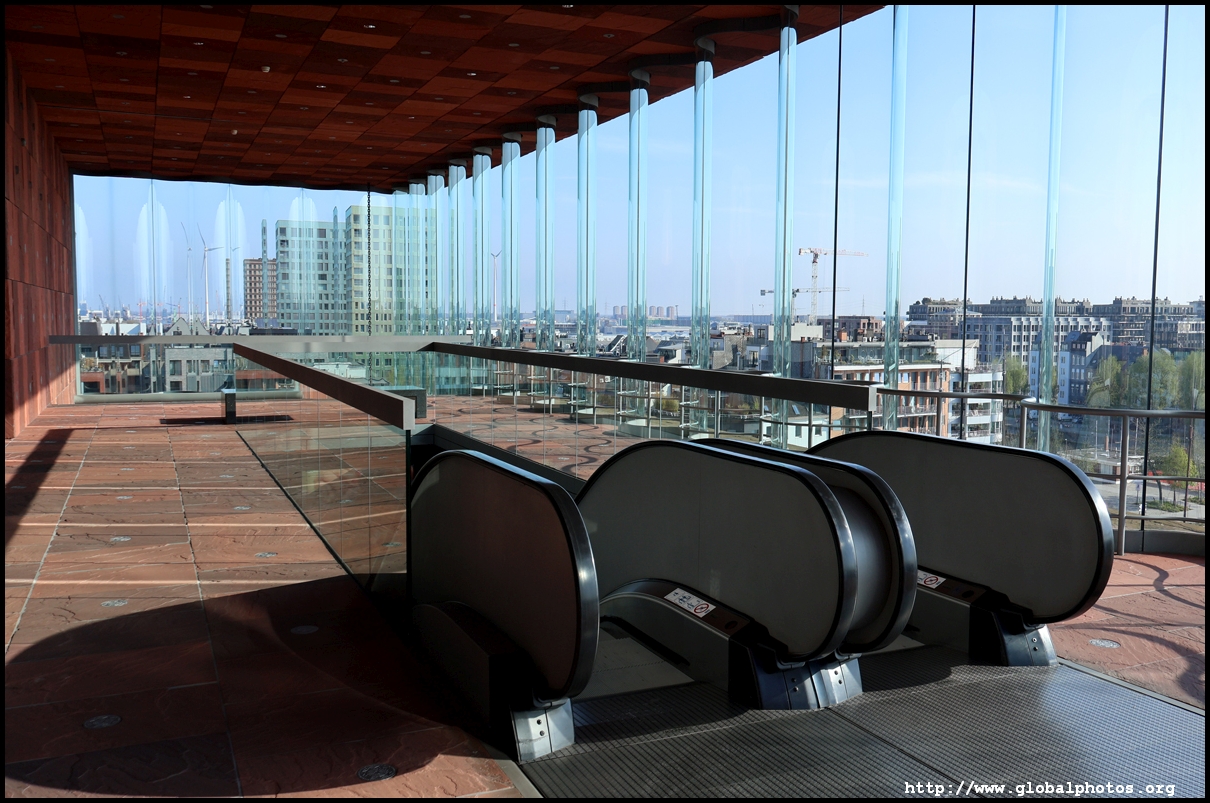
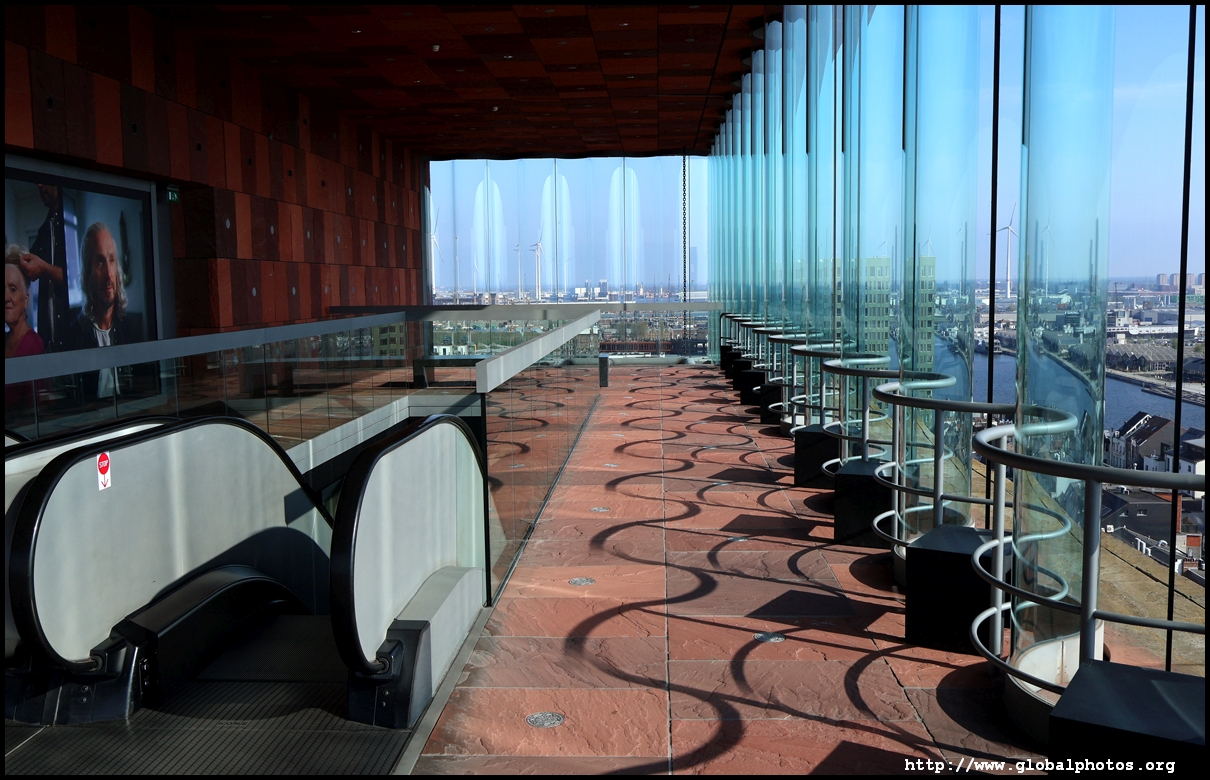
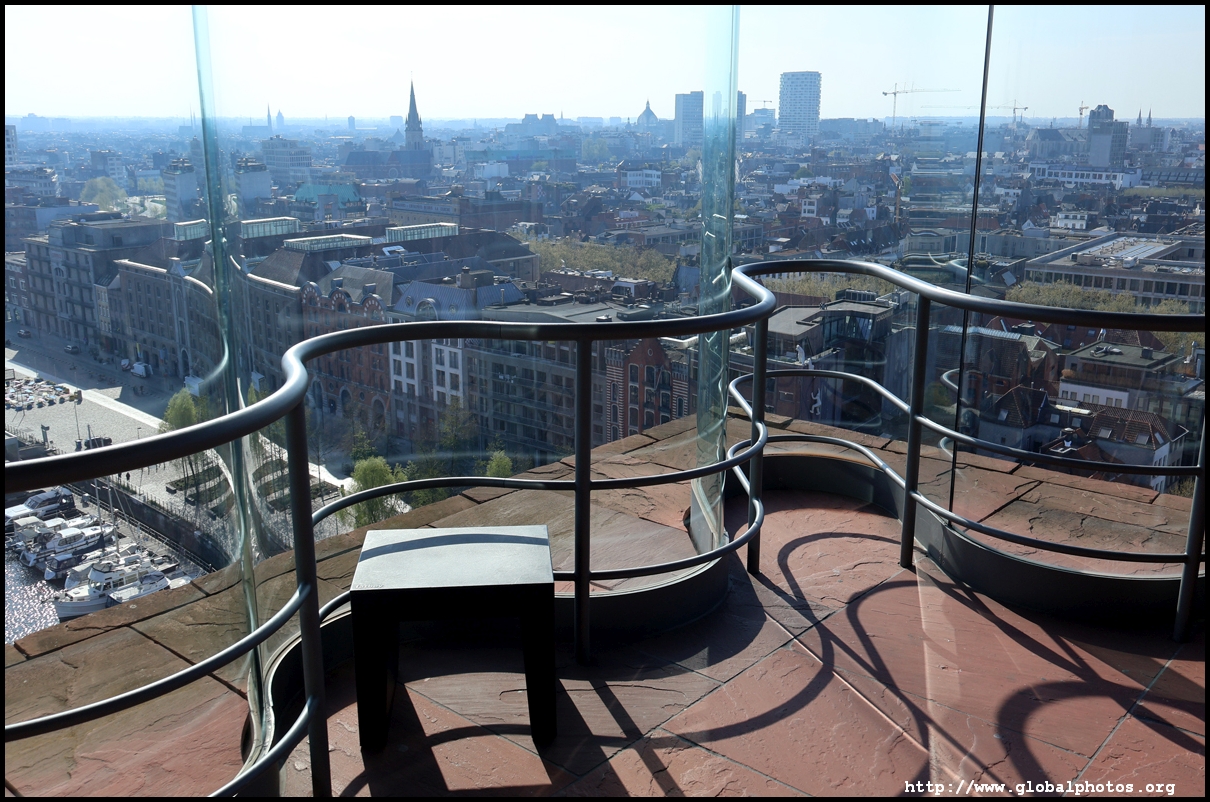
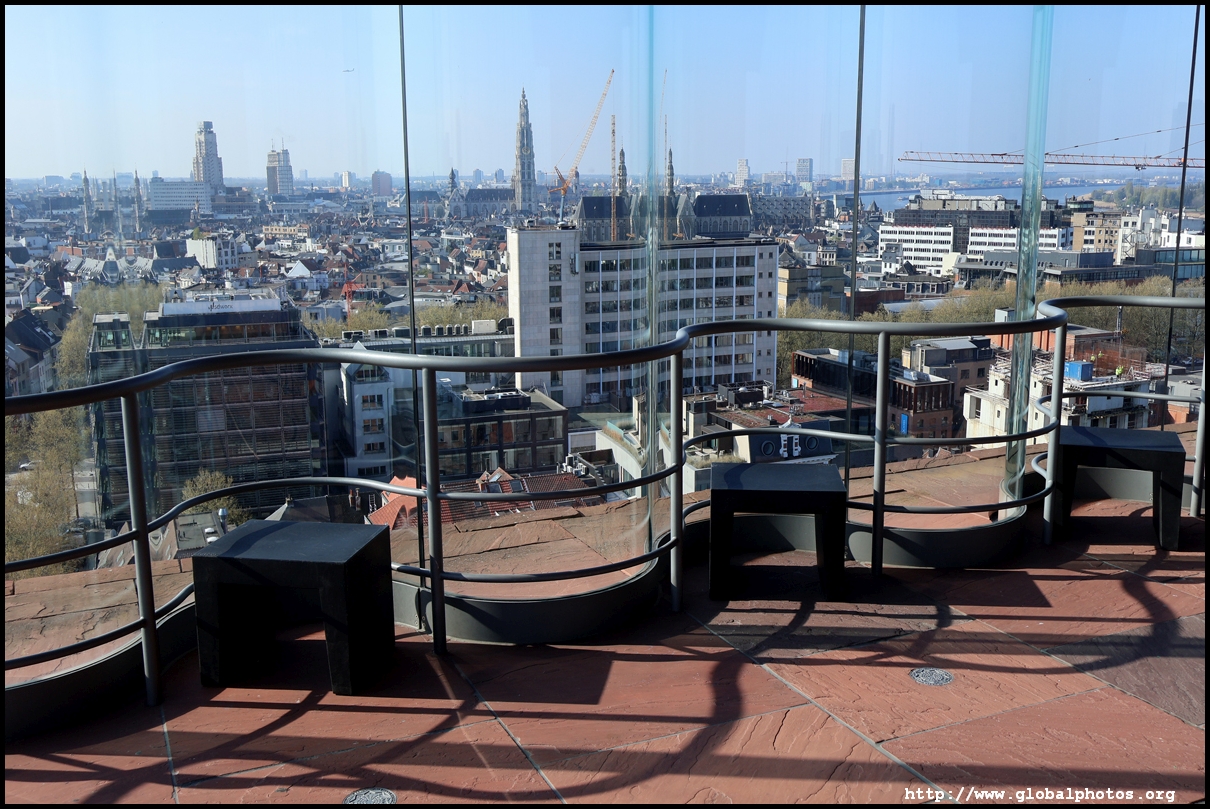
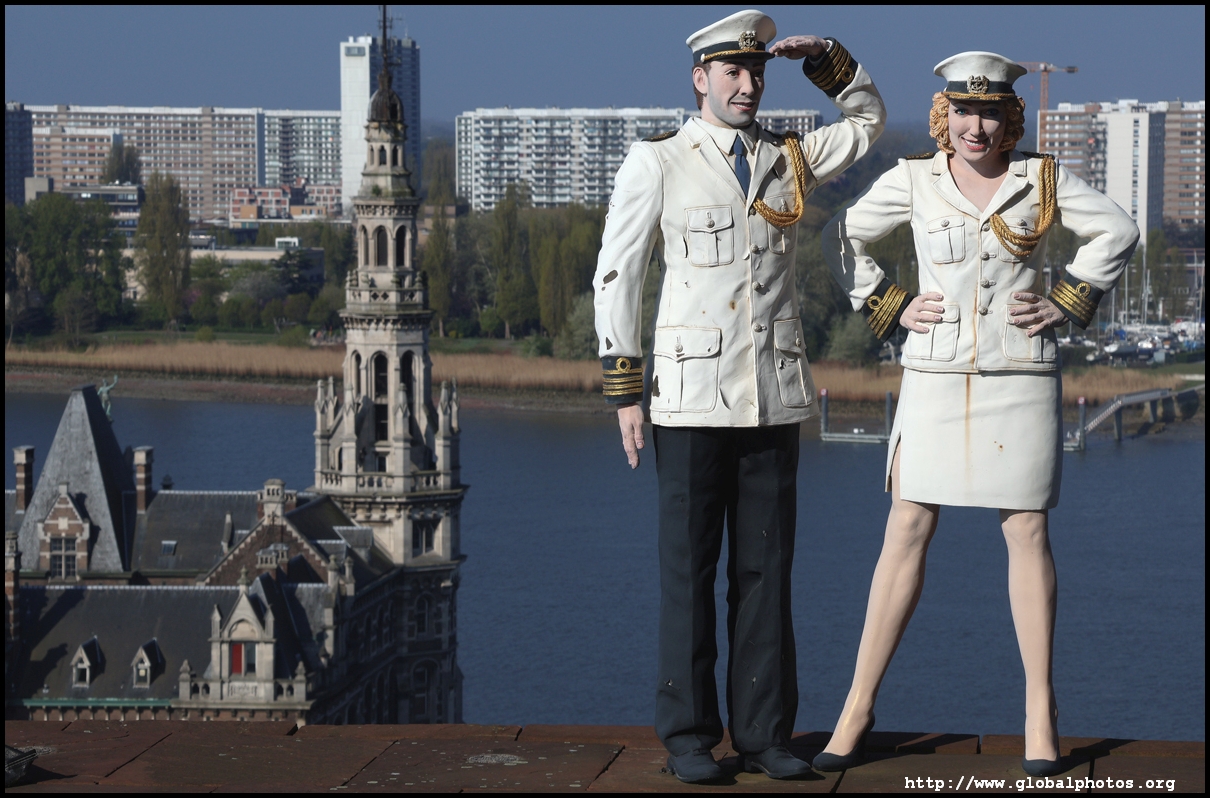
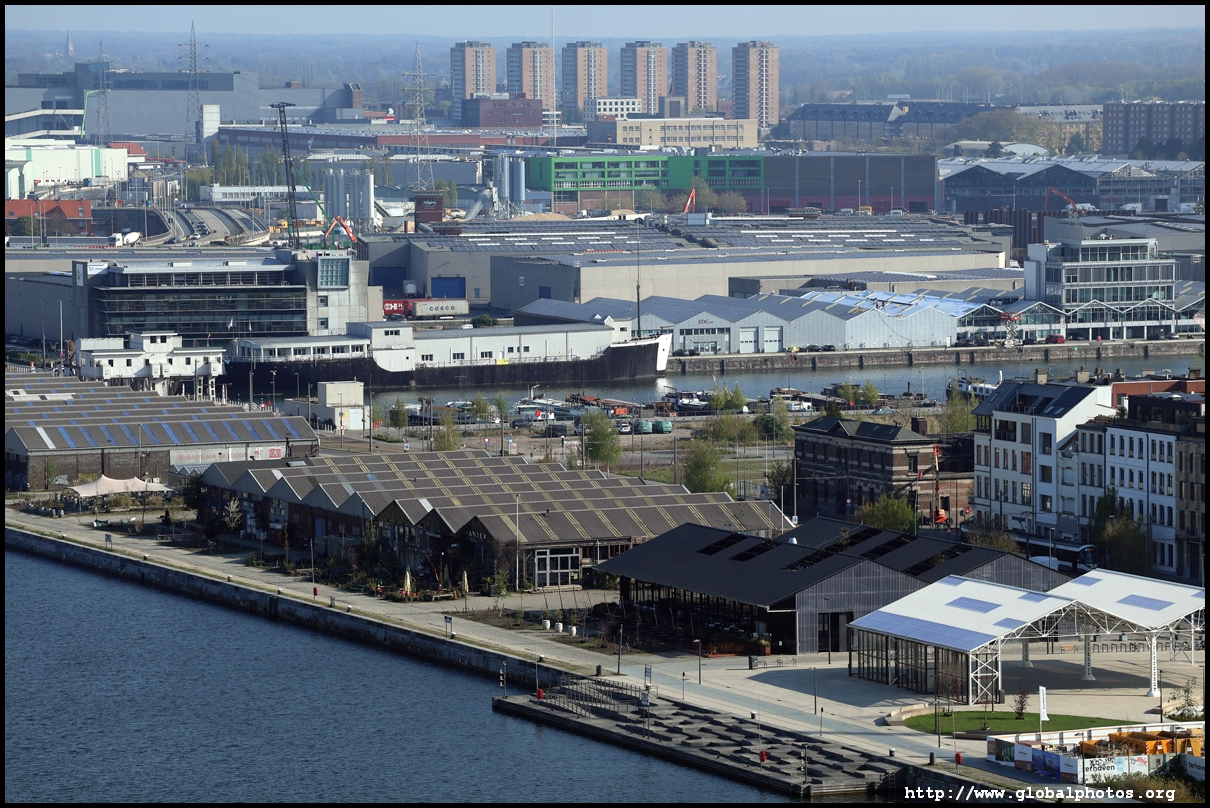
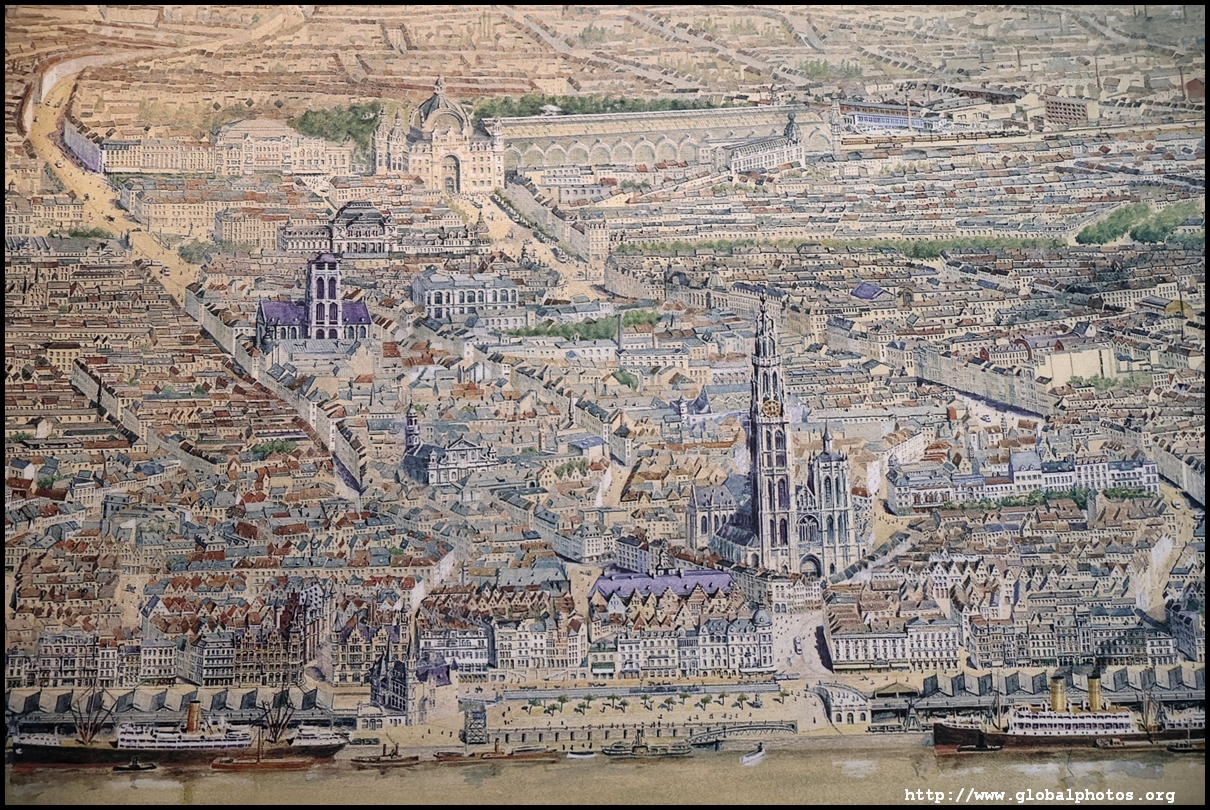
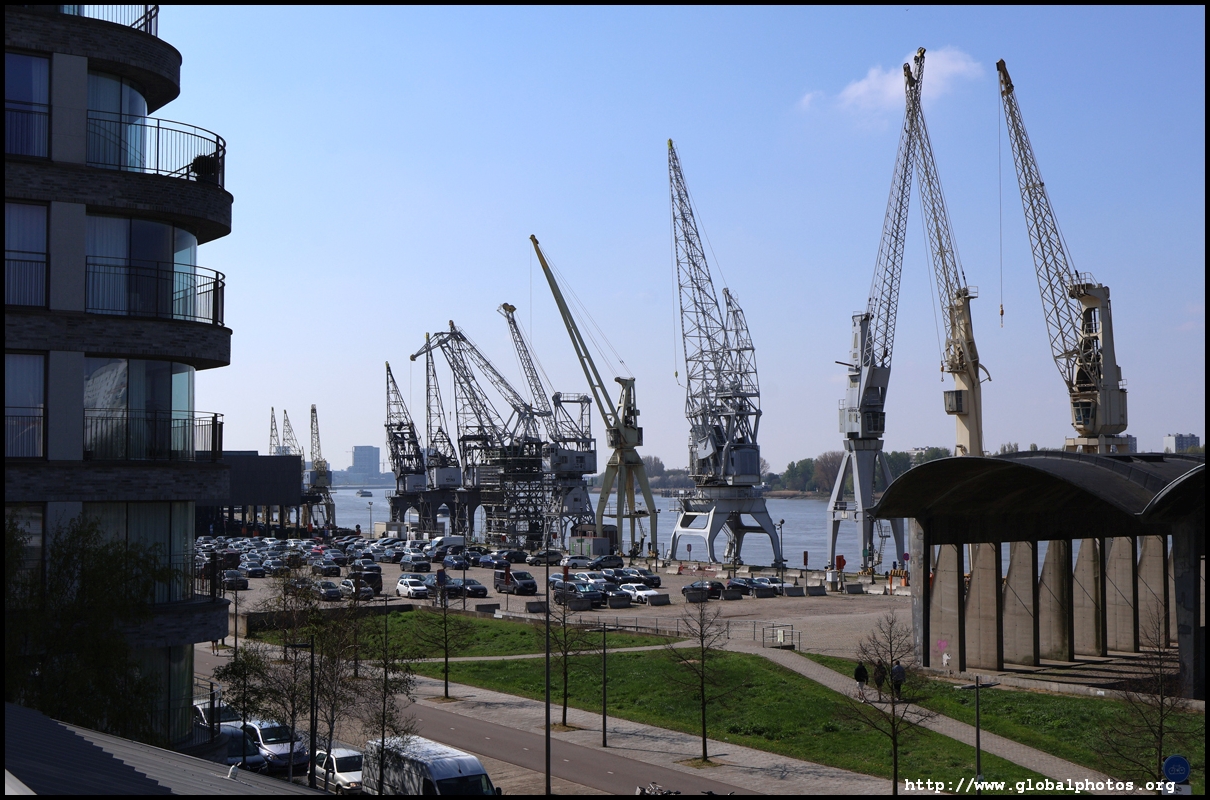
Let's start with a free view of the city from MAS, a museum that forms part of the rejuvenation story of its port. This area was unable to accommodate larger vessels built after World War II and the district fell into decay by the late 1950s.
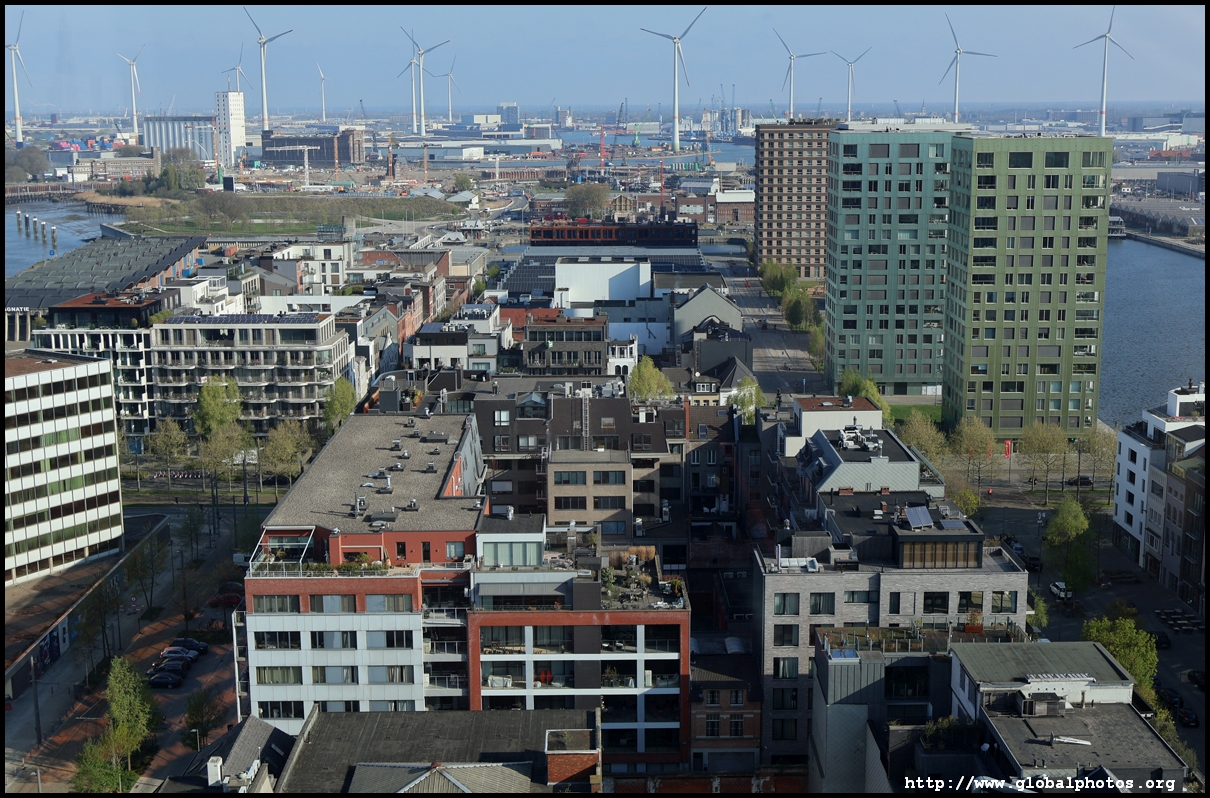
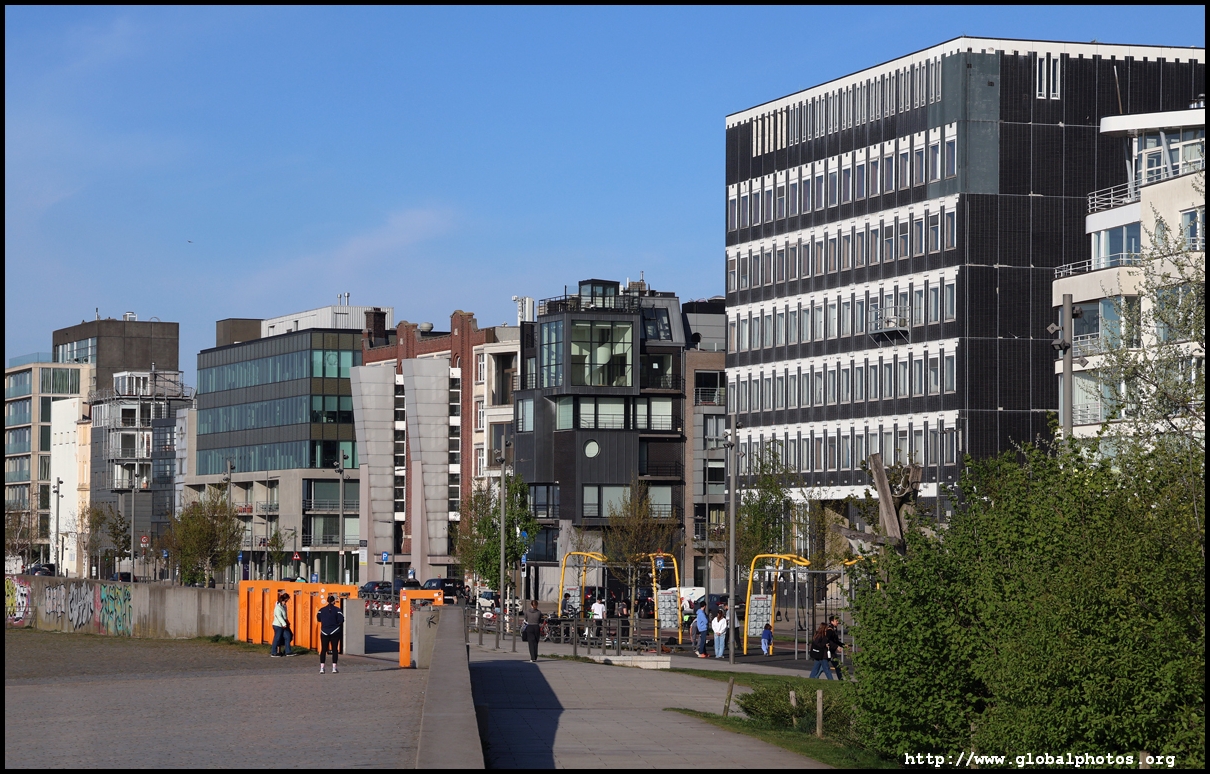
Het Eilandje now has a big residential community with the new port looming in the distance.
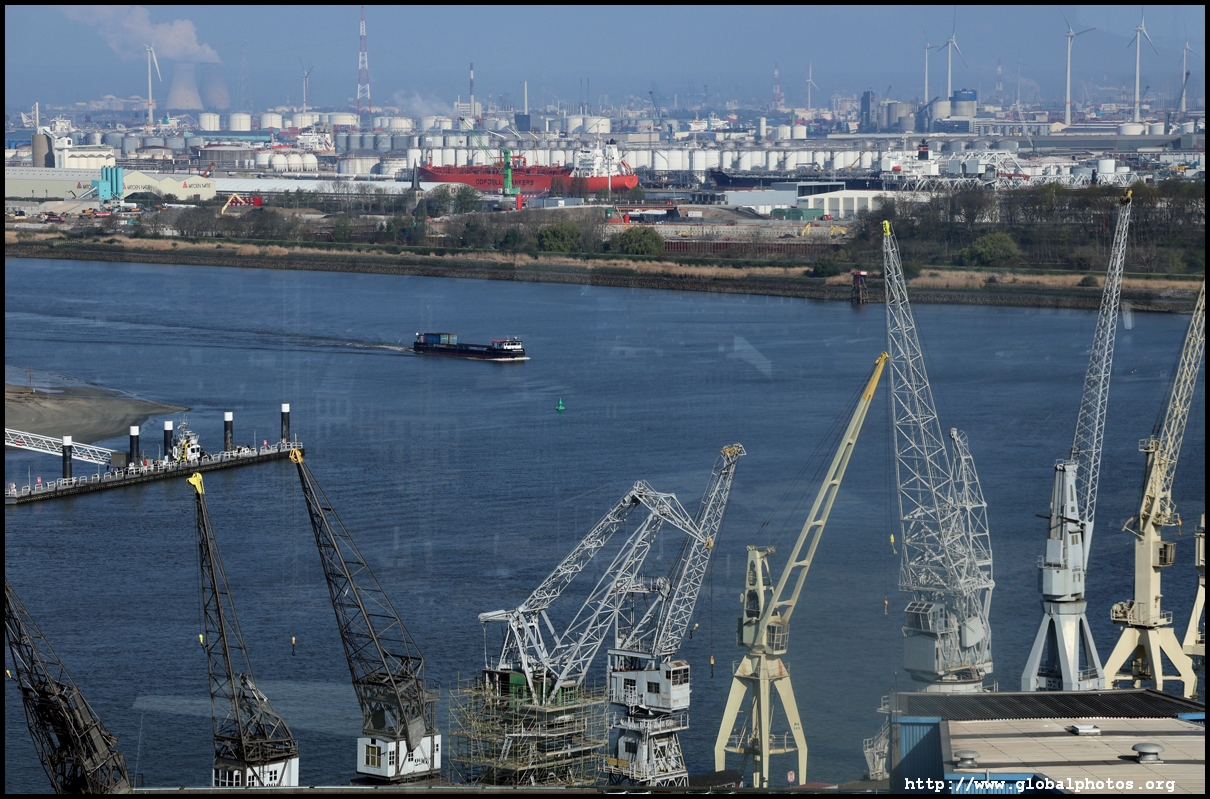
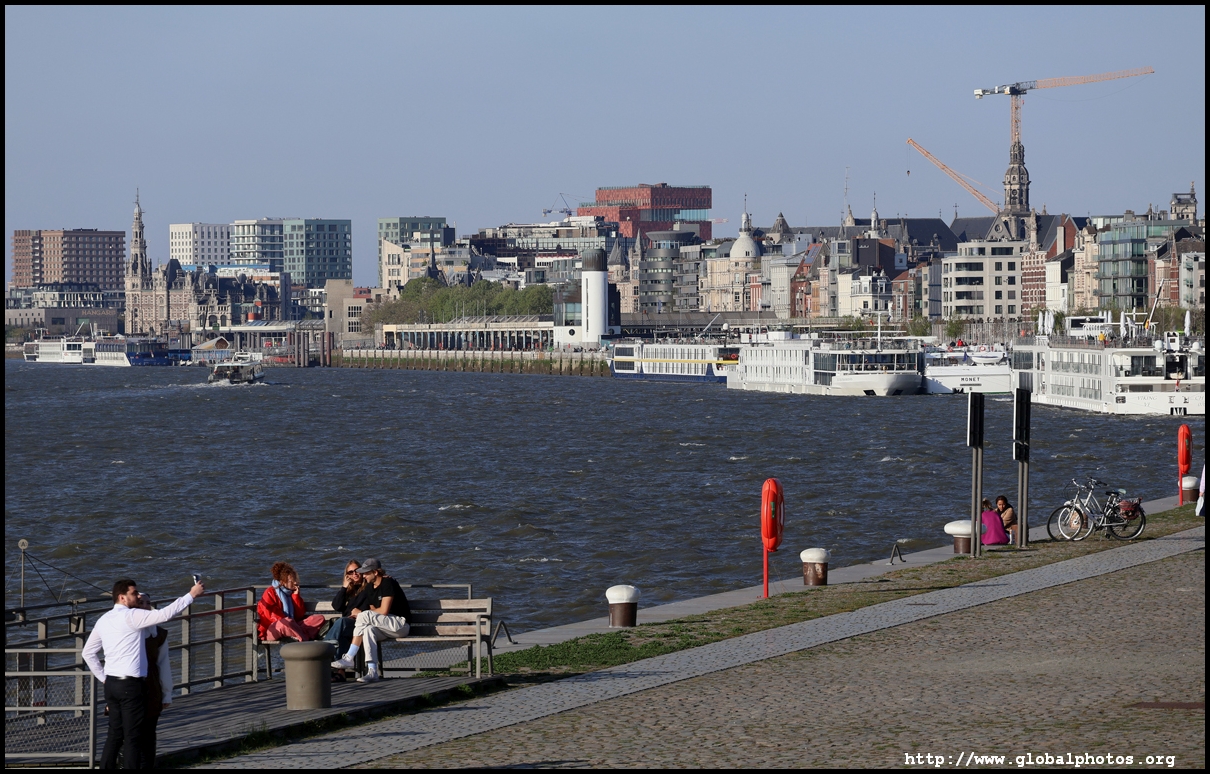
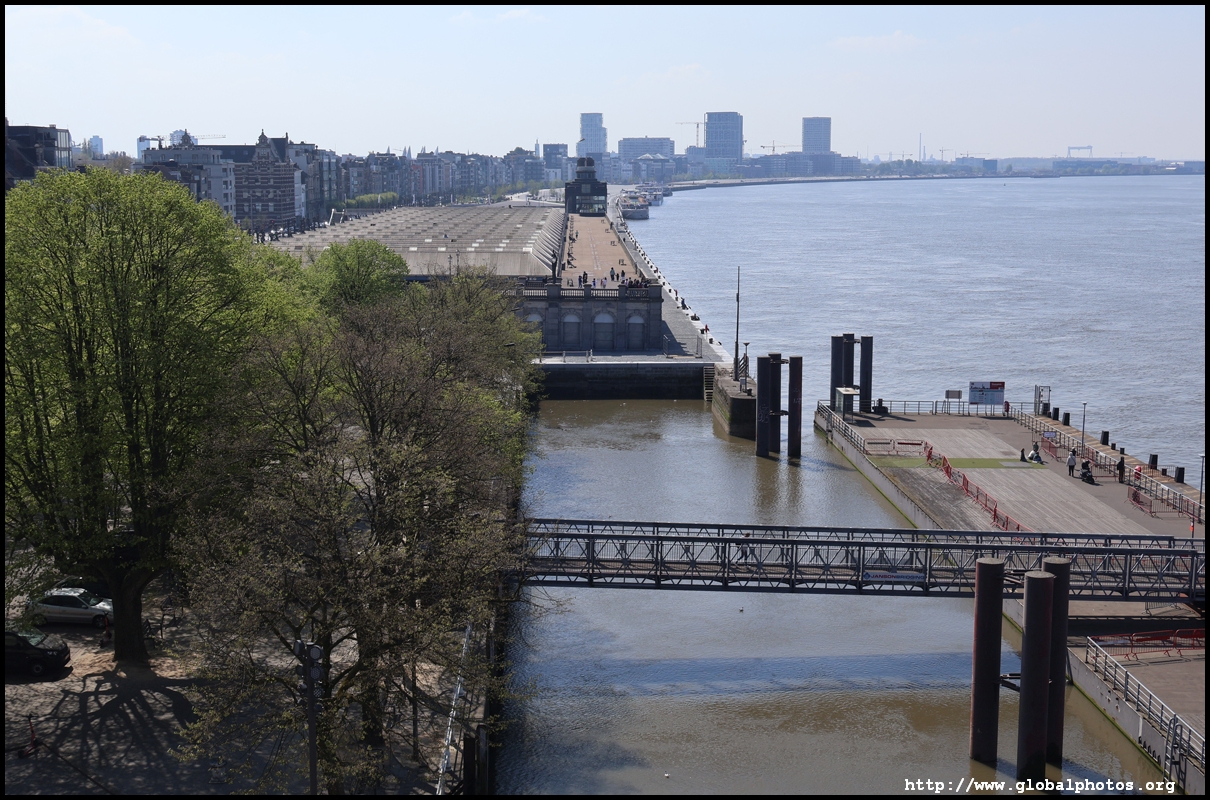
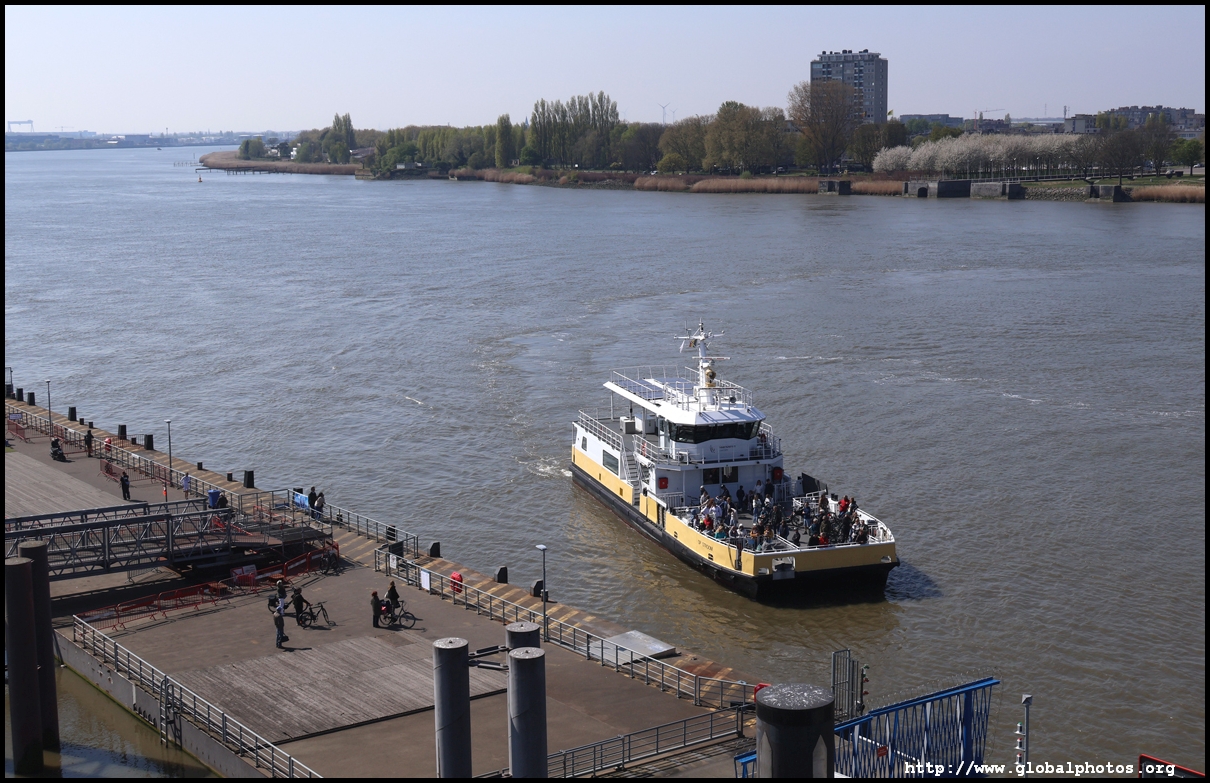
The Scheldt River runs over 400 km from northern France to the North Sea in the Netherlands. Passing through Ghent and Antwerp, it was the subject of conflict between the Flemish and Dutch, with the Dutch closing the estuary, Belgium's only outlet to the sea, to cripple Antwerp in 1648 until Belgium bought the rights in 1863.
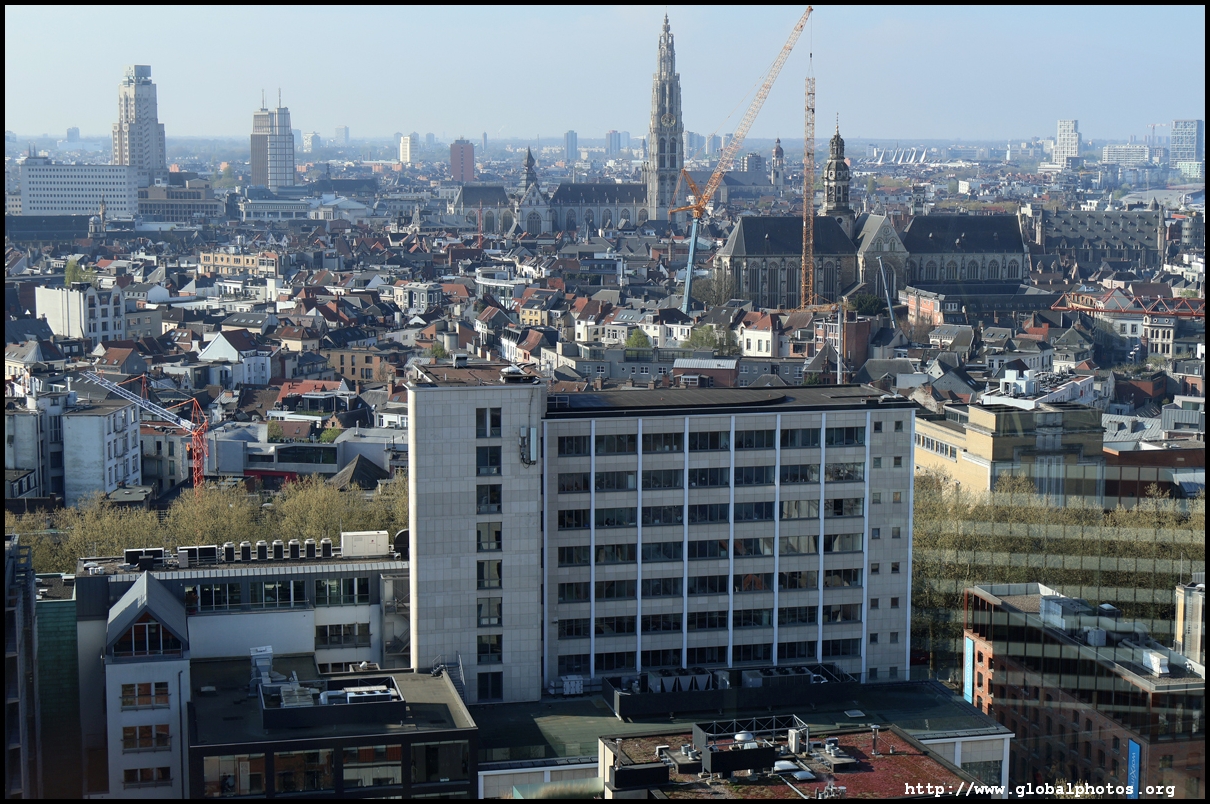
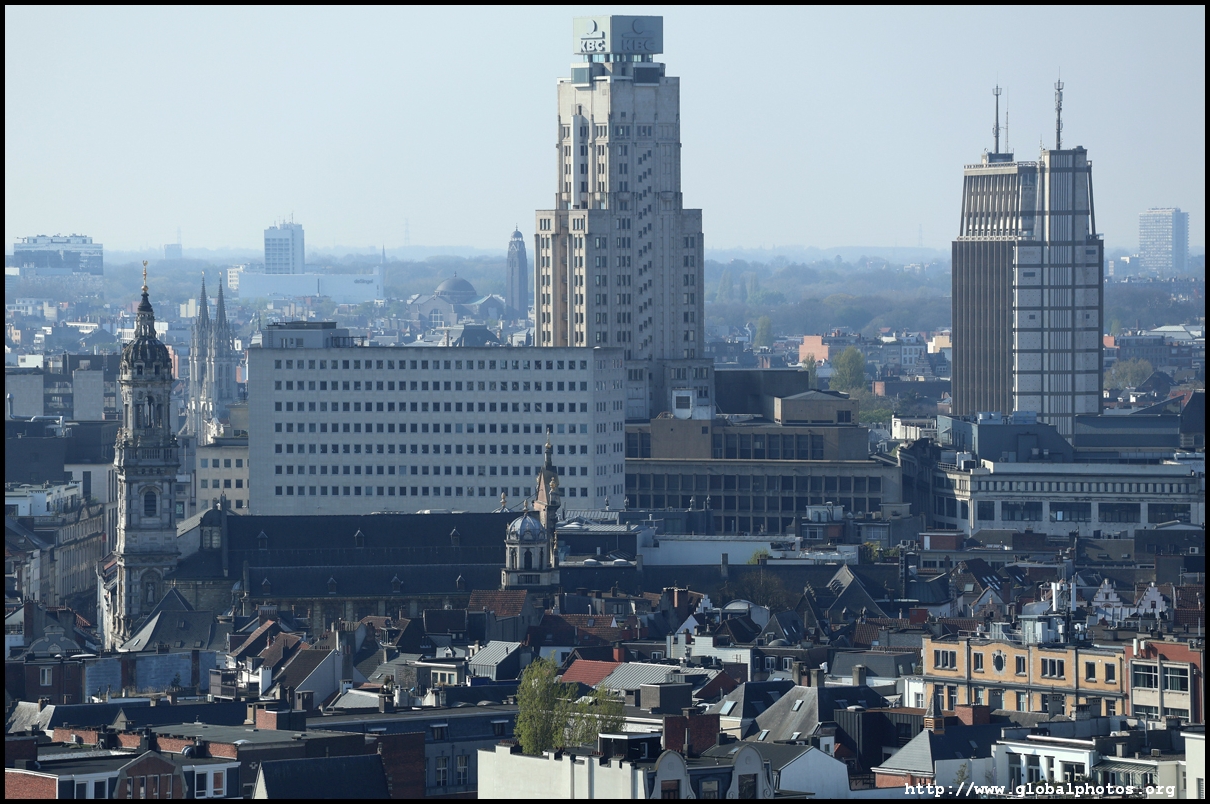
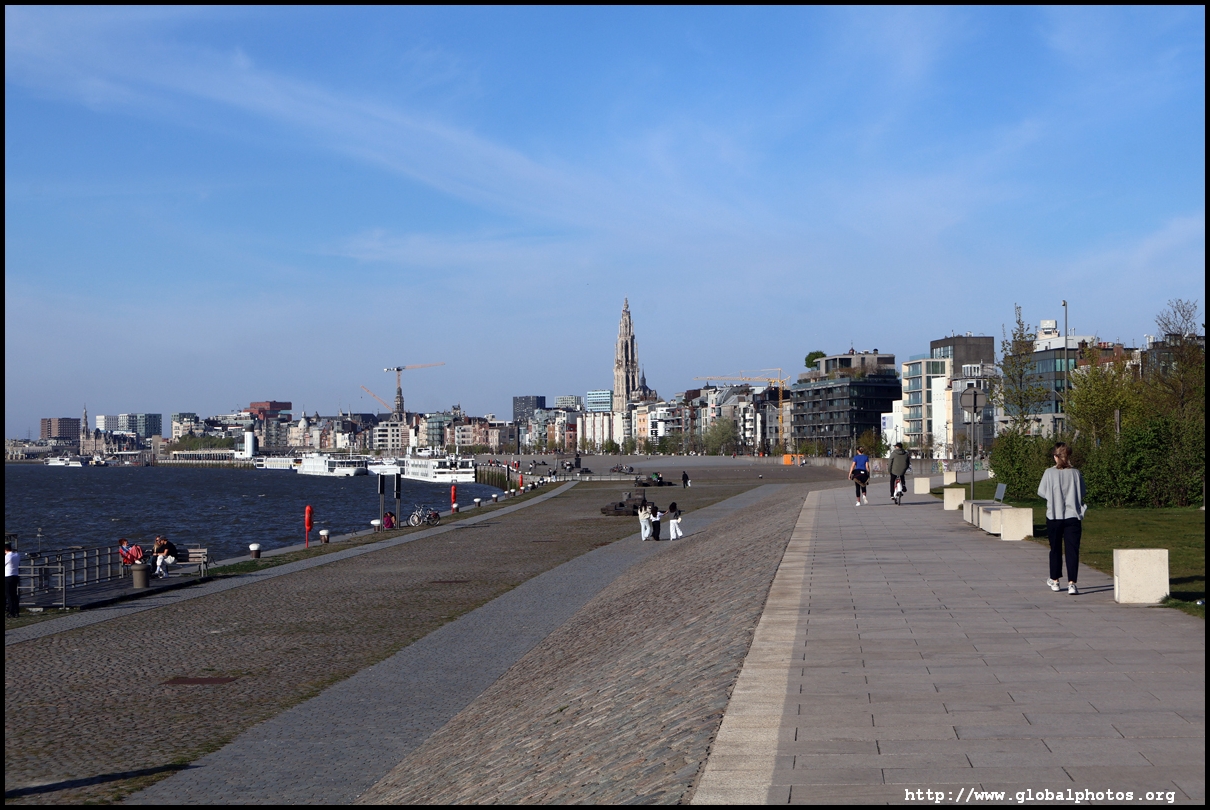
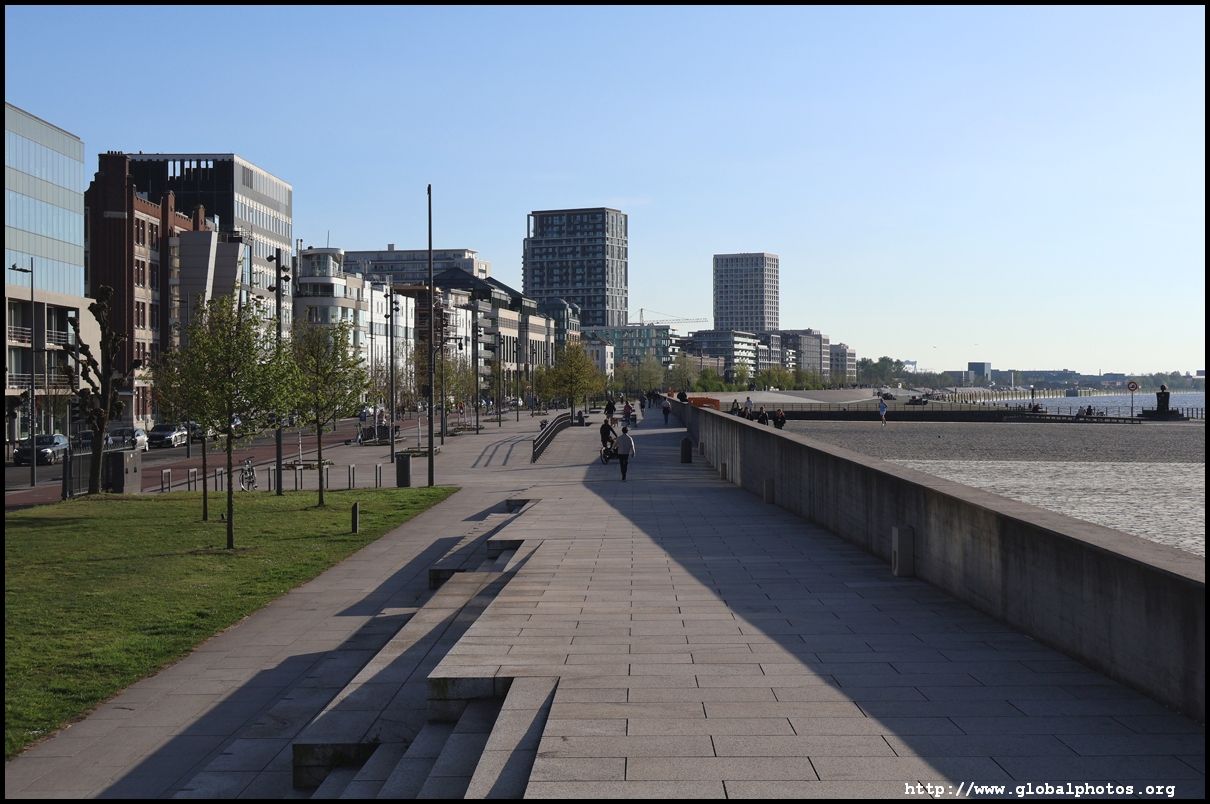
The east riverbank is a great place for a walk to enjoy spectacular skyline views. I recommend starting in Nieuw Zuid heading north towards the historic centre so you can see the skyline come closer and the sun will be behind you.
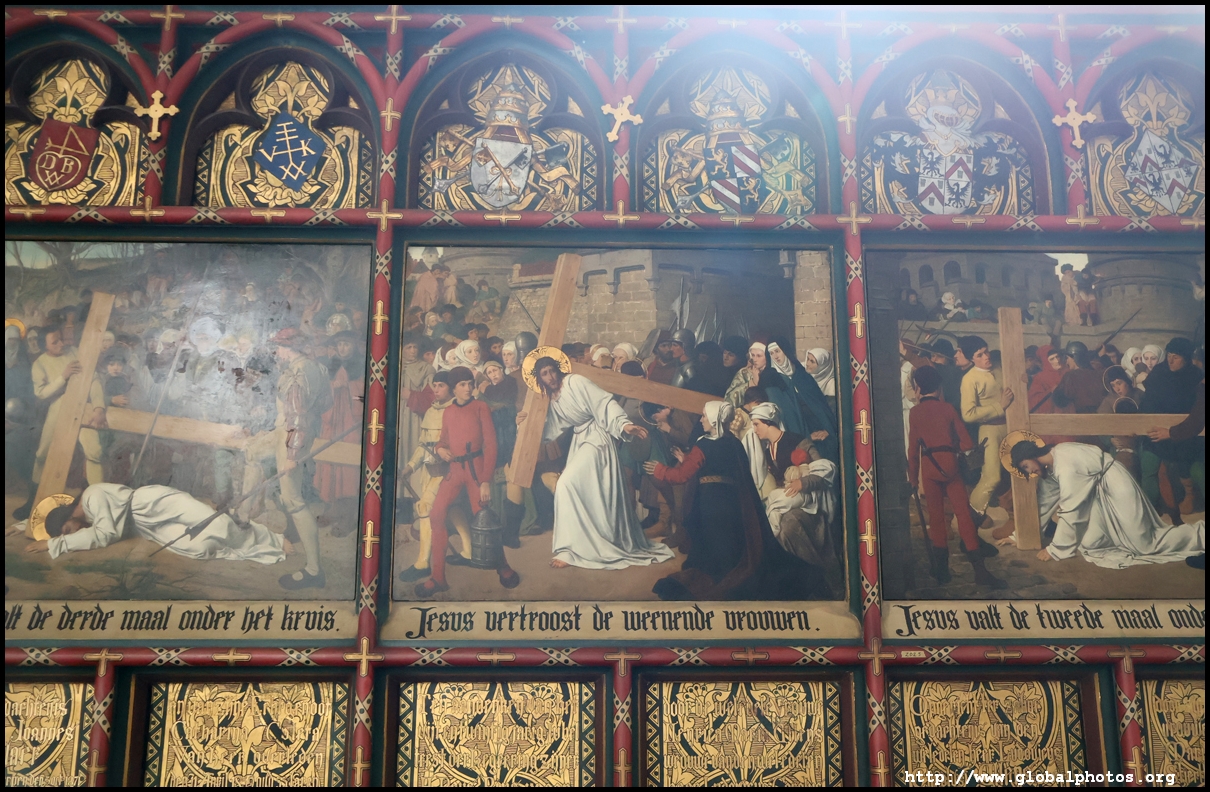
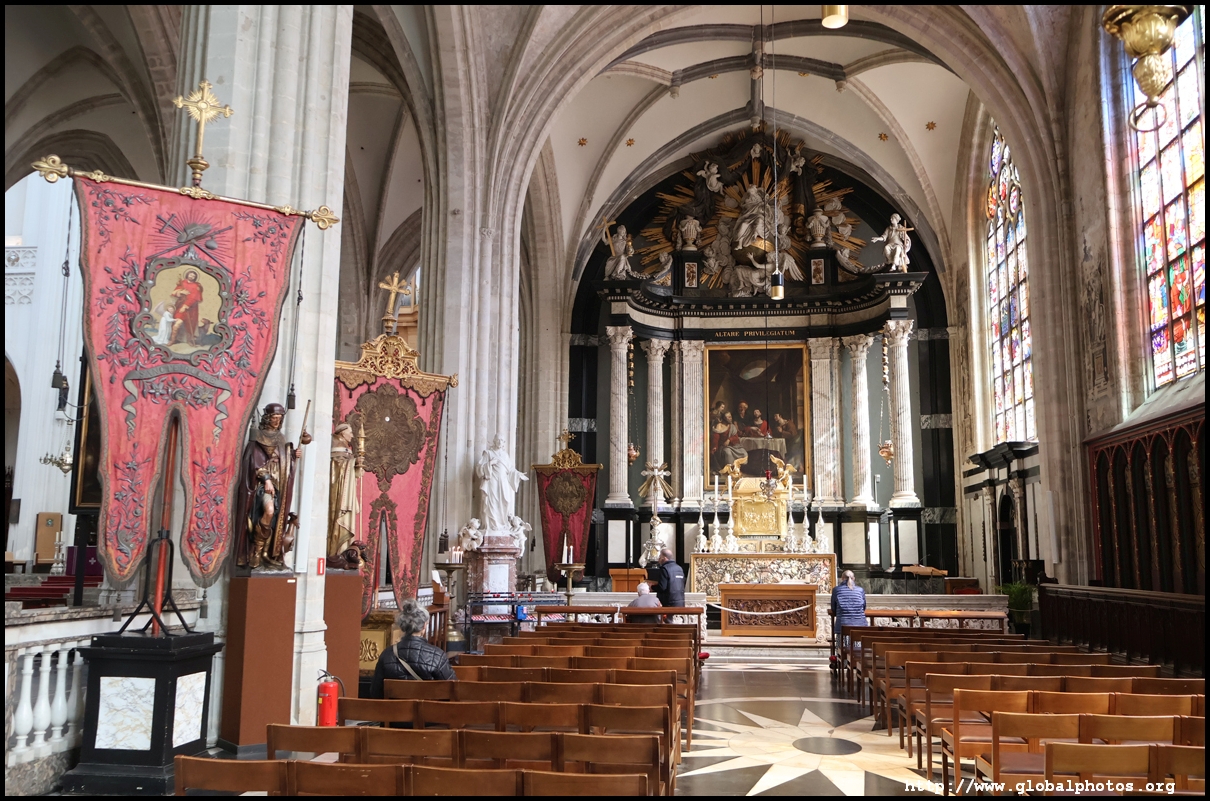
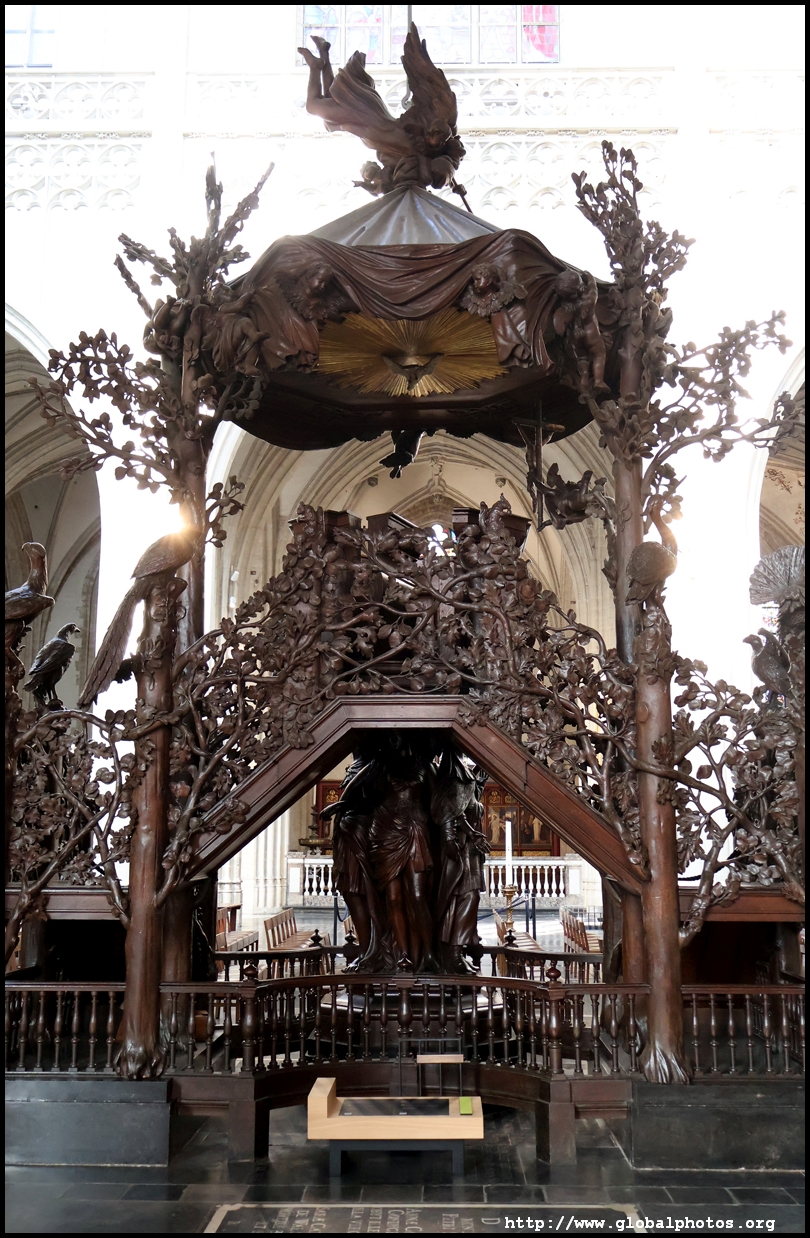
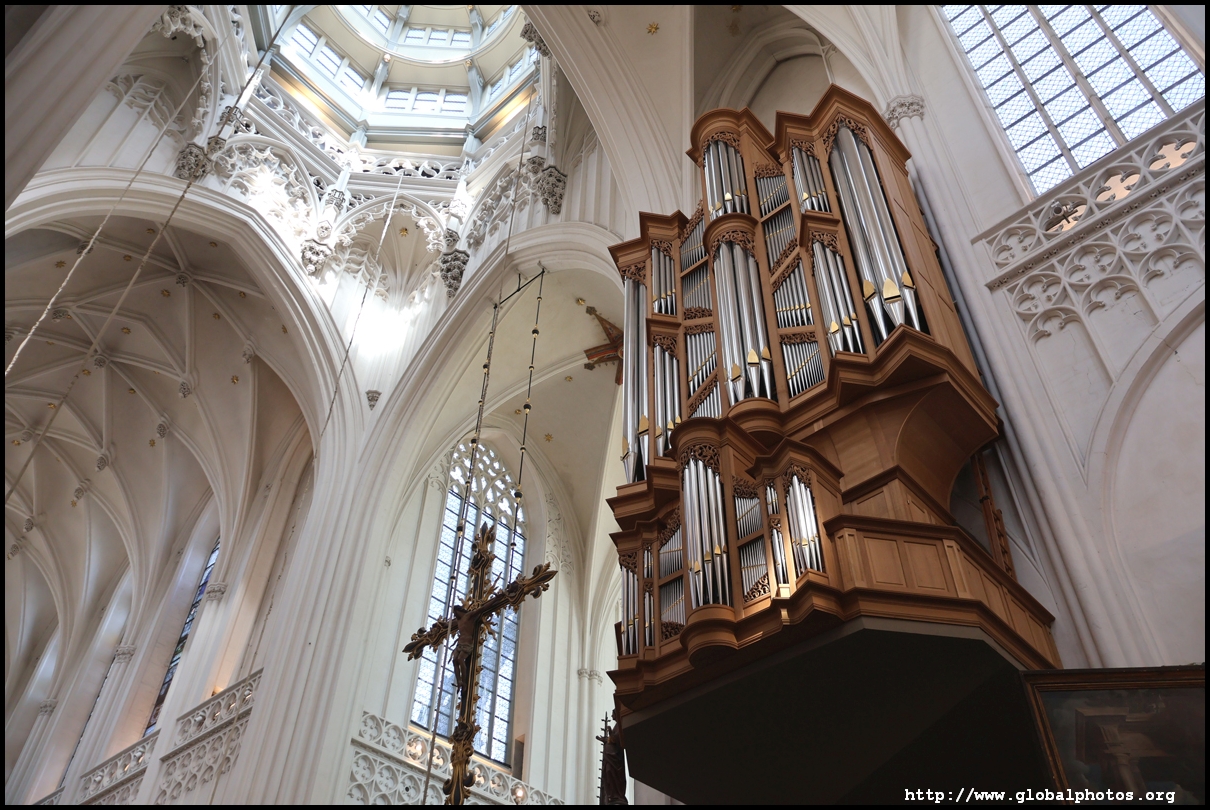
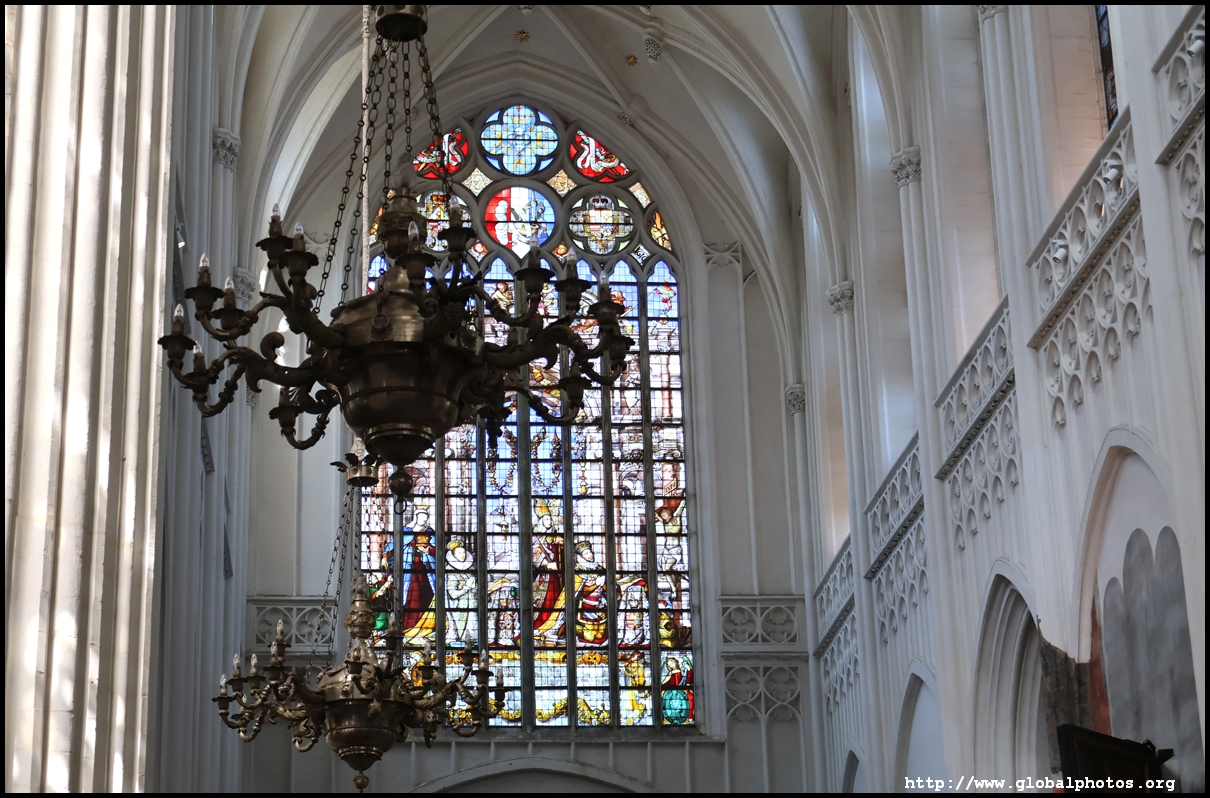
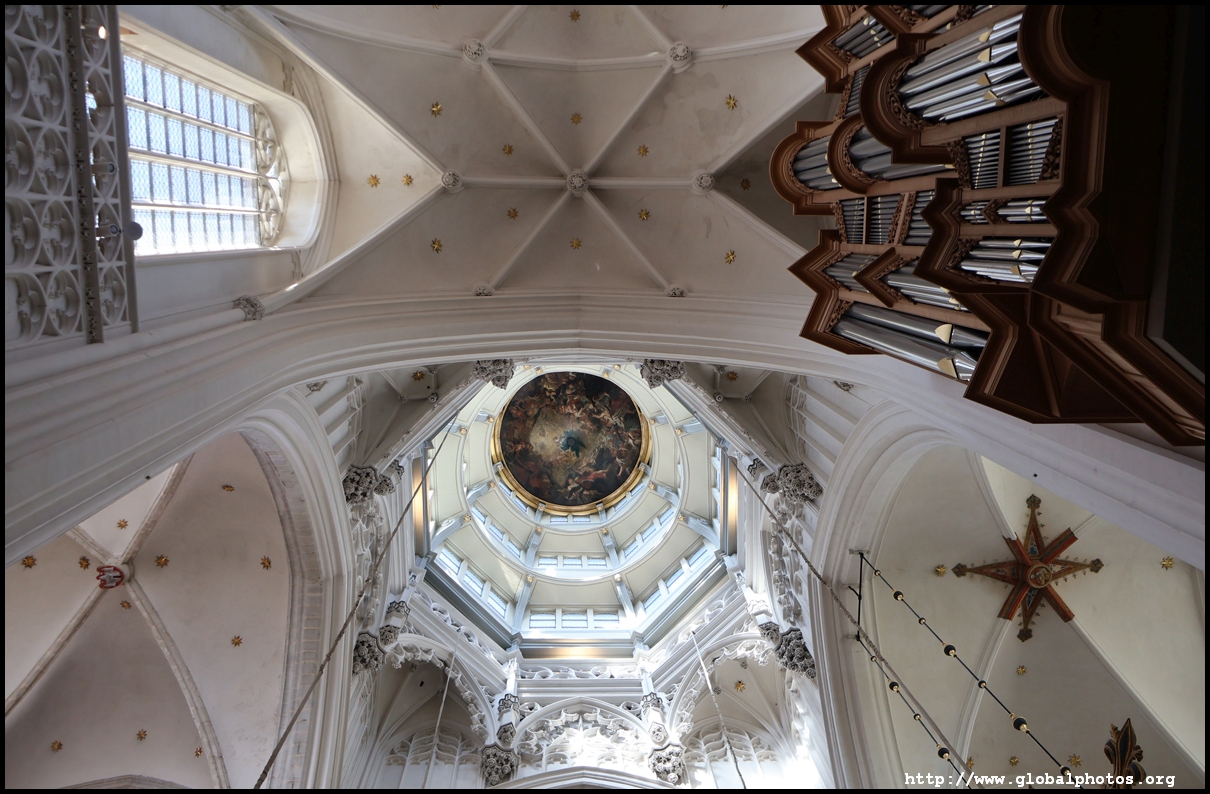
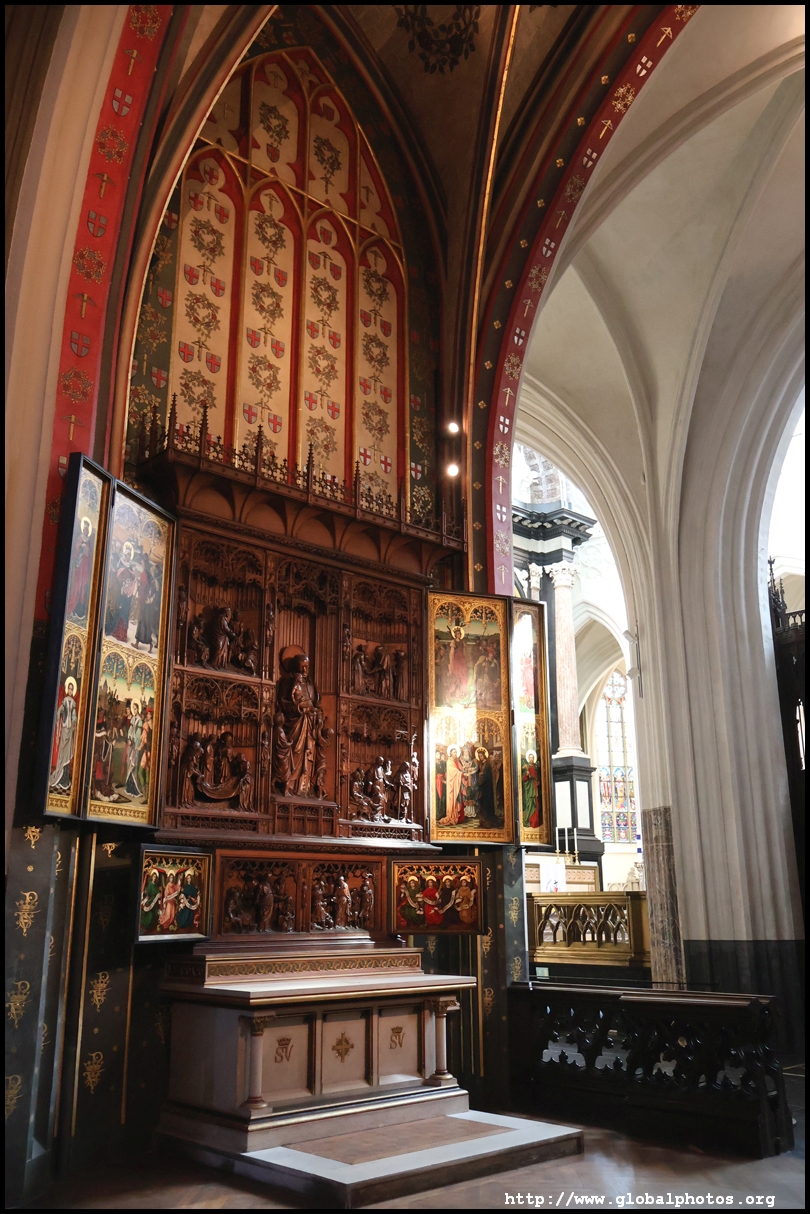
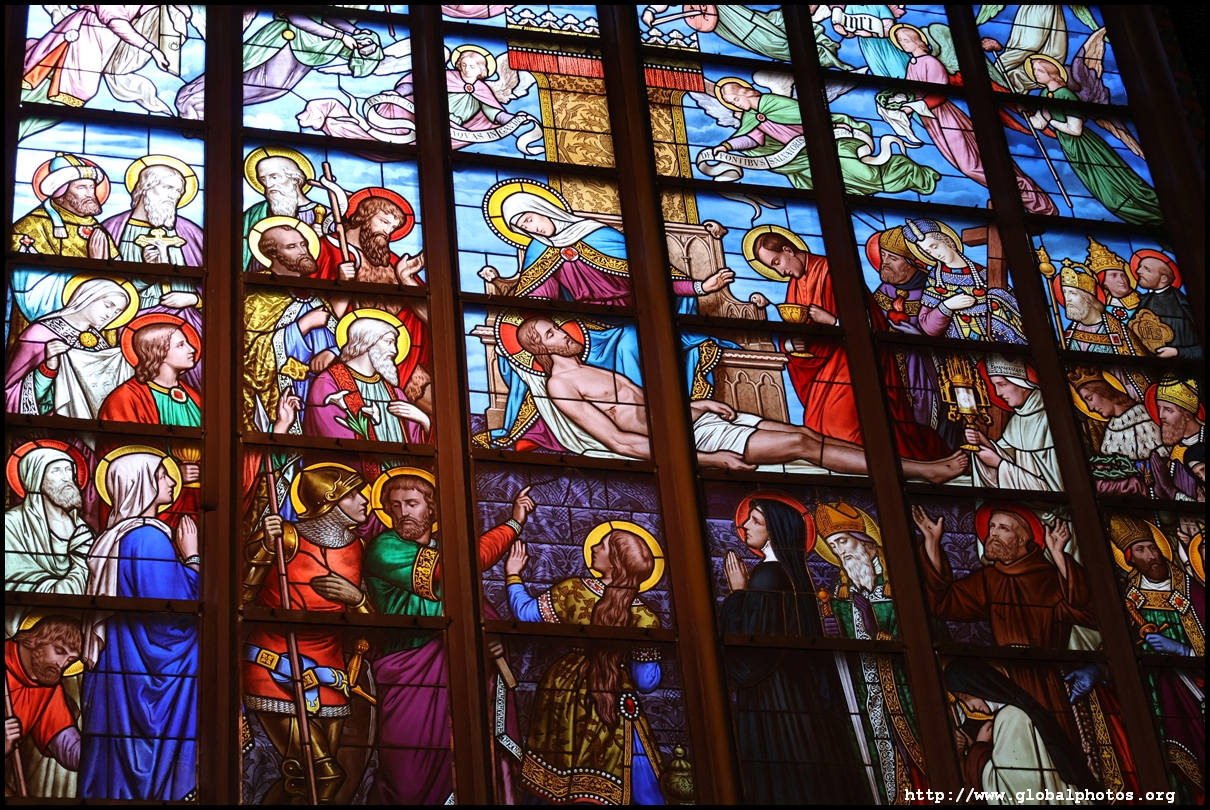
Antwerp's historic centre has several grand churches. While they charge admission to enter, it is worth spending a little money to do so and admire the spectacular interiors.
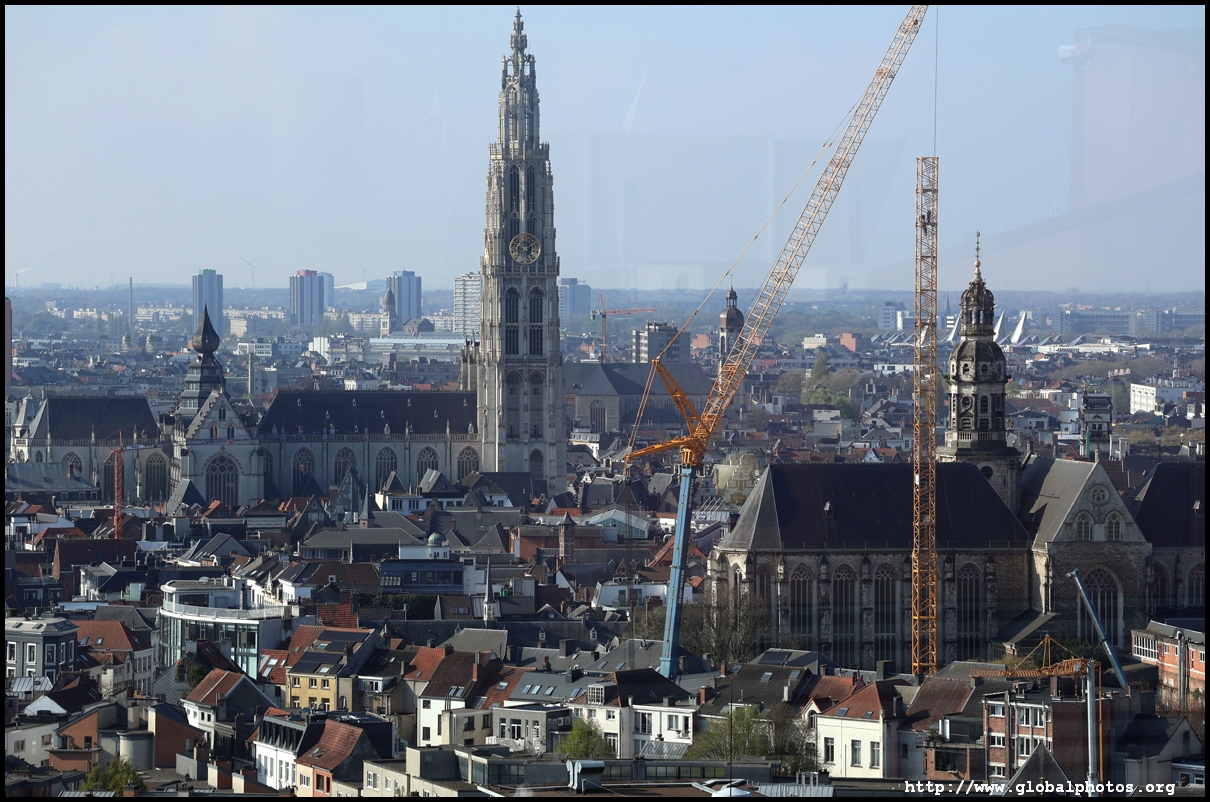
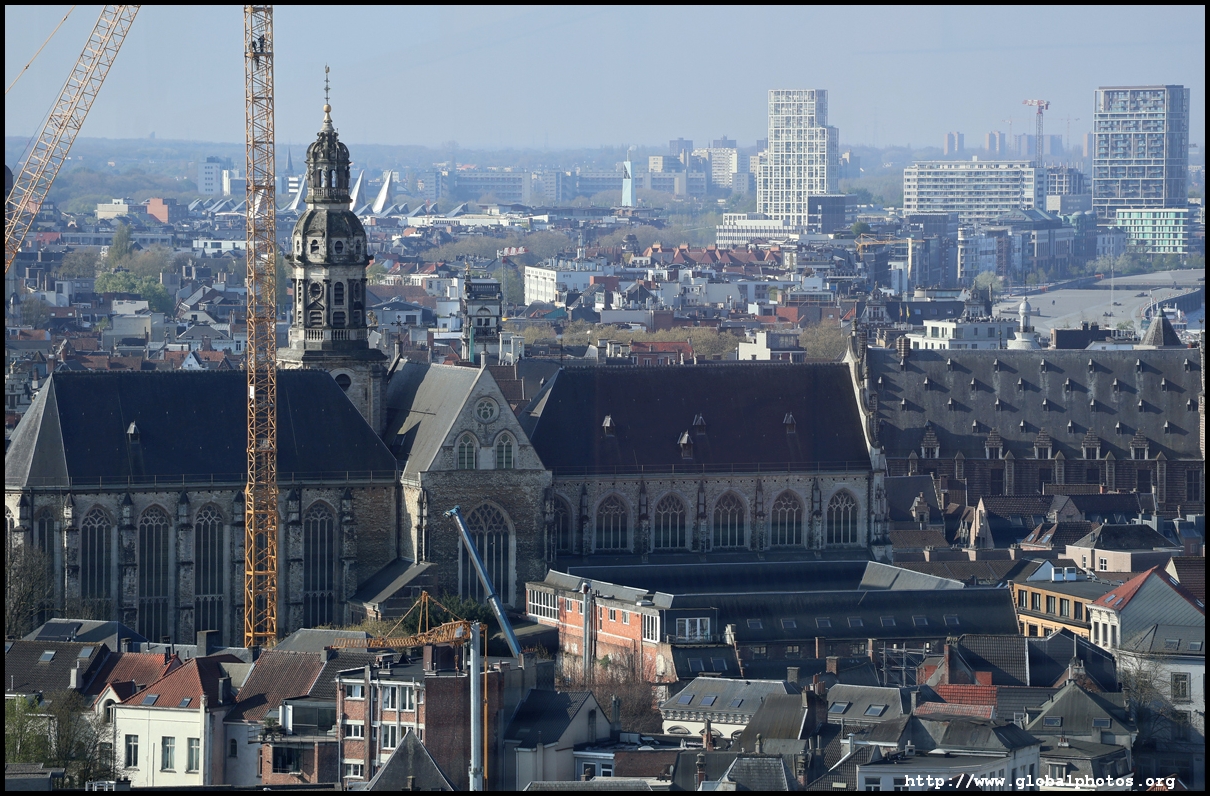
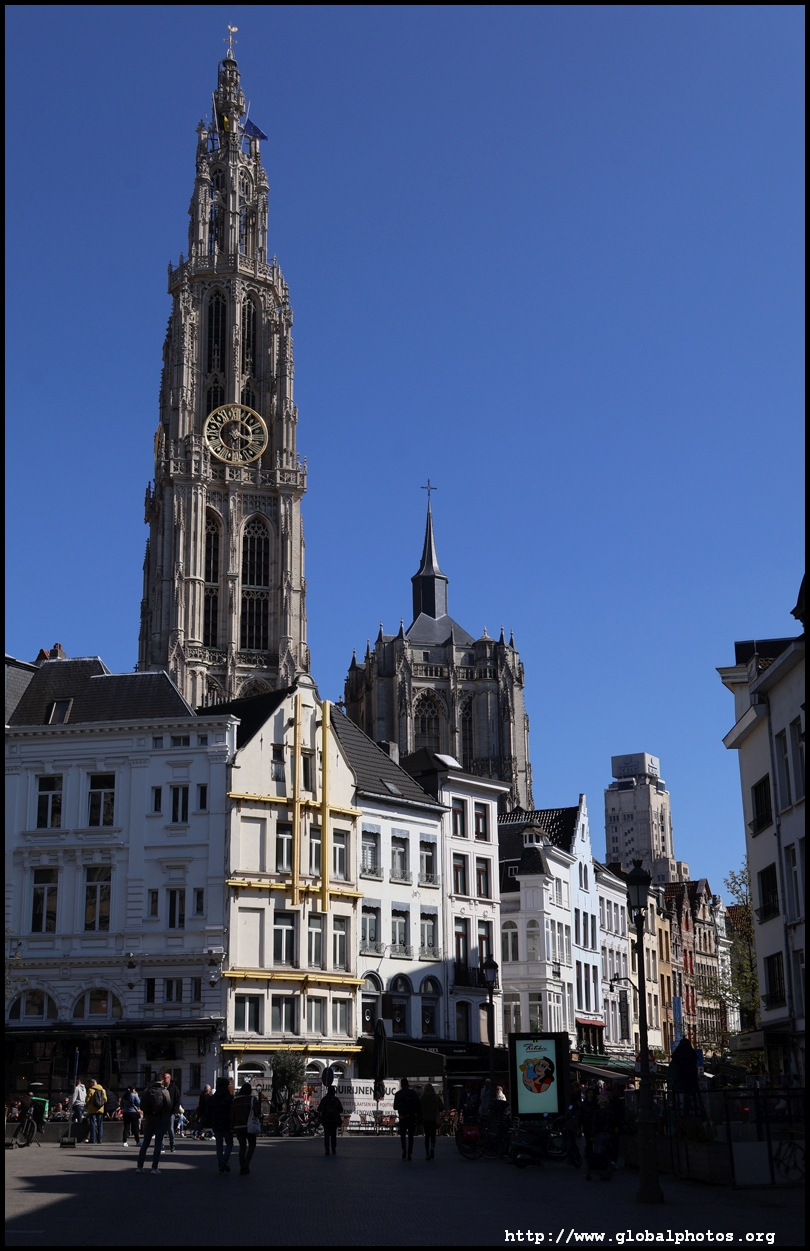
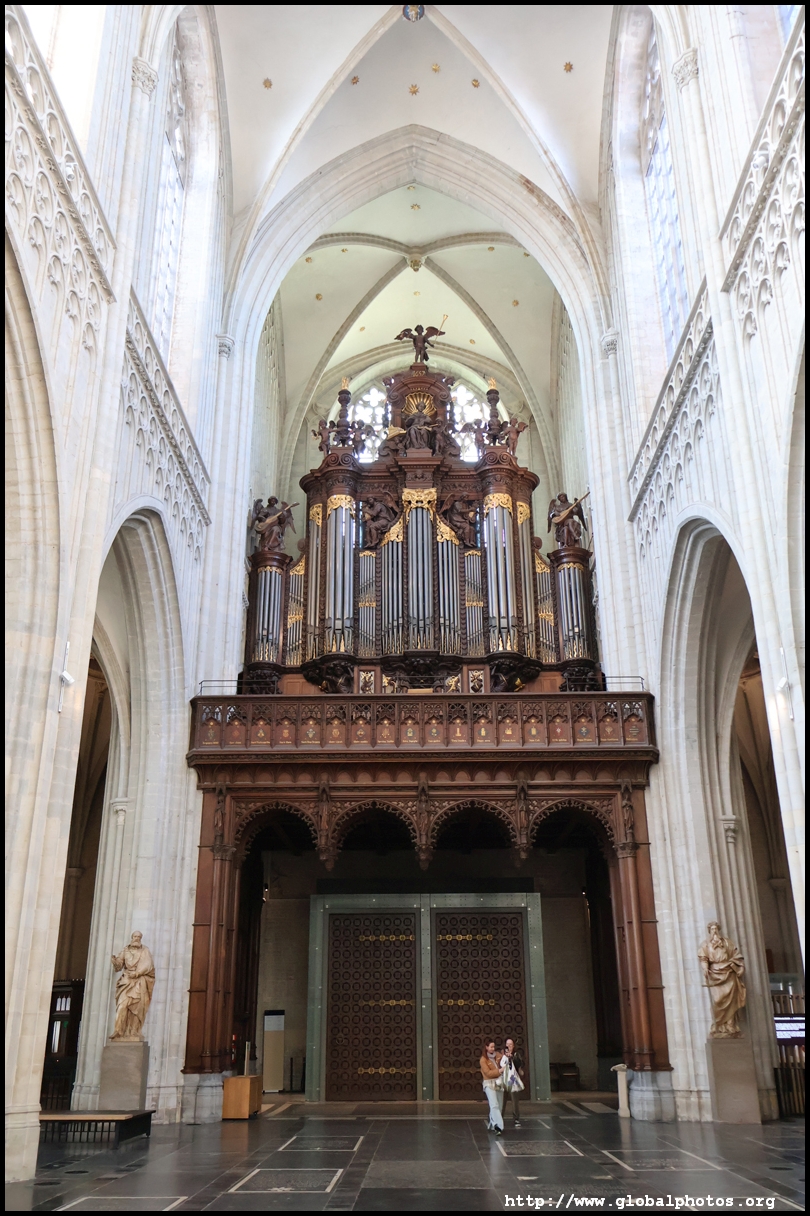
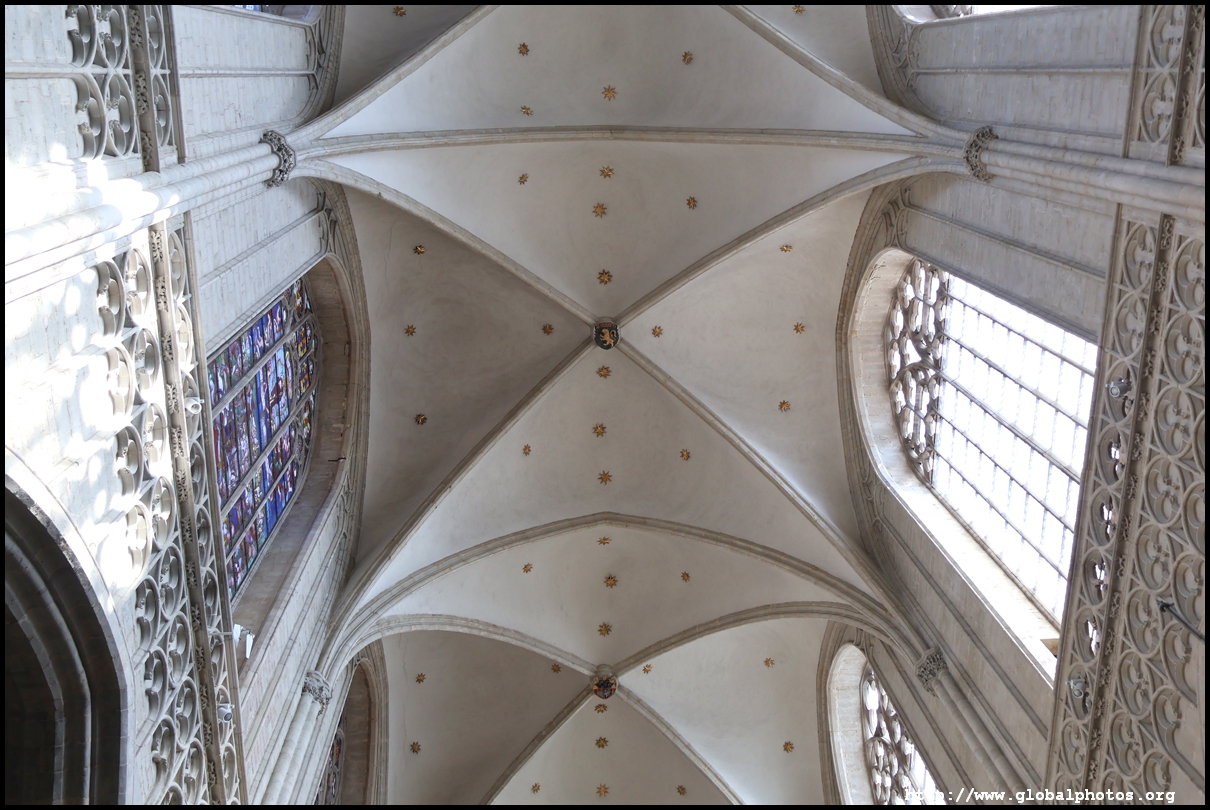
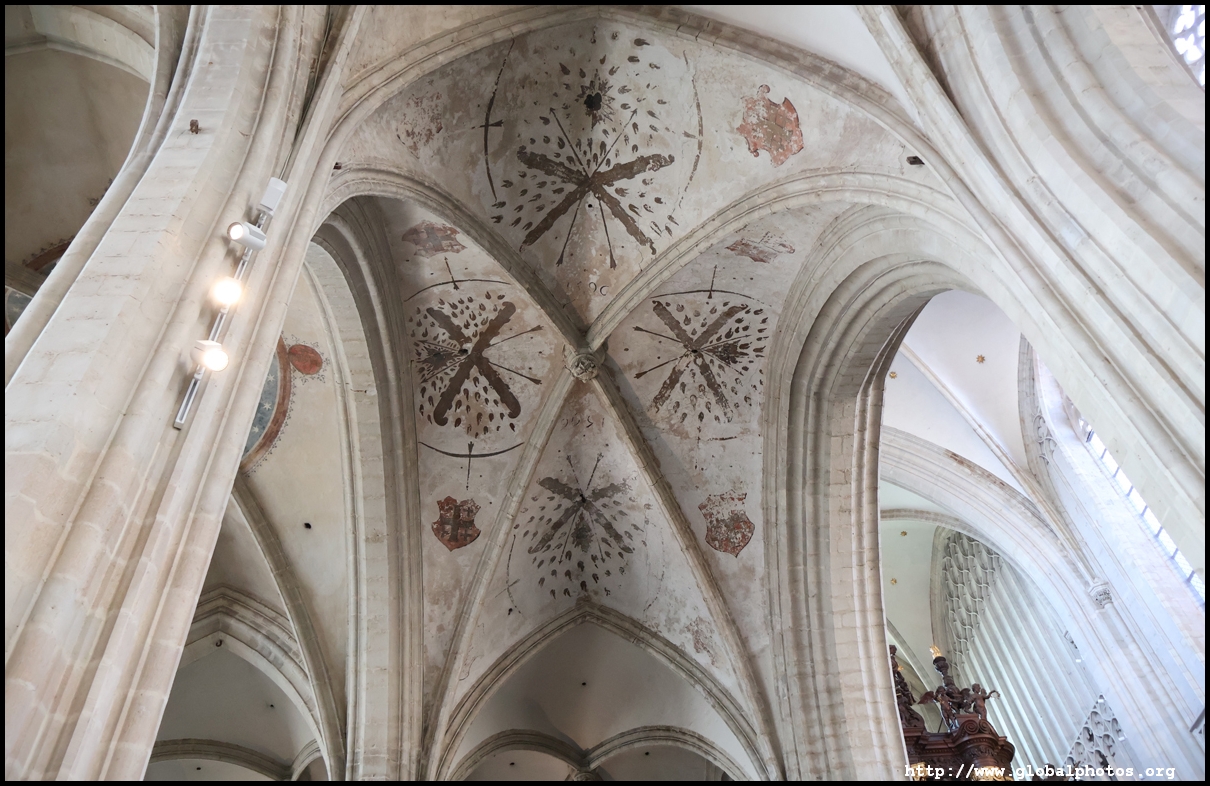
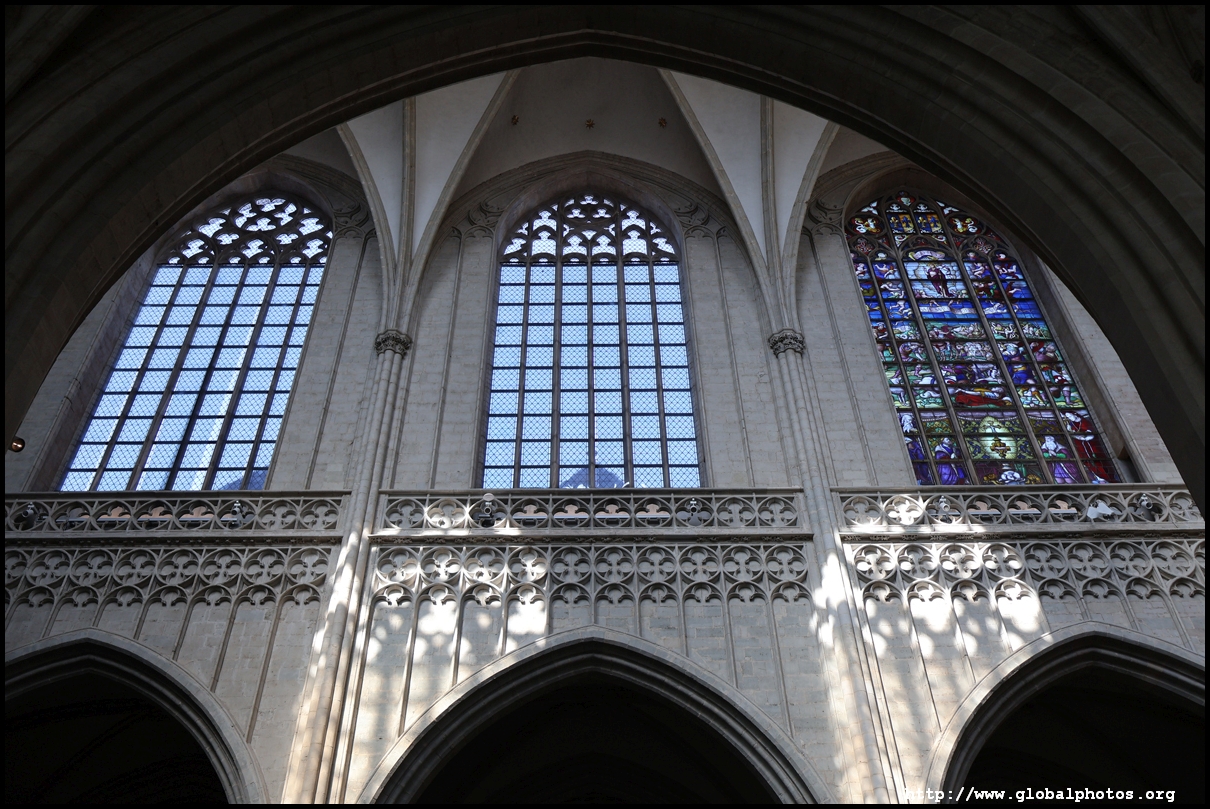
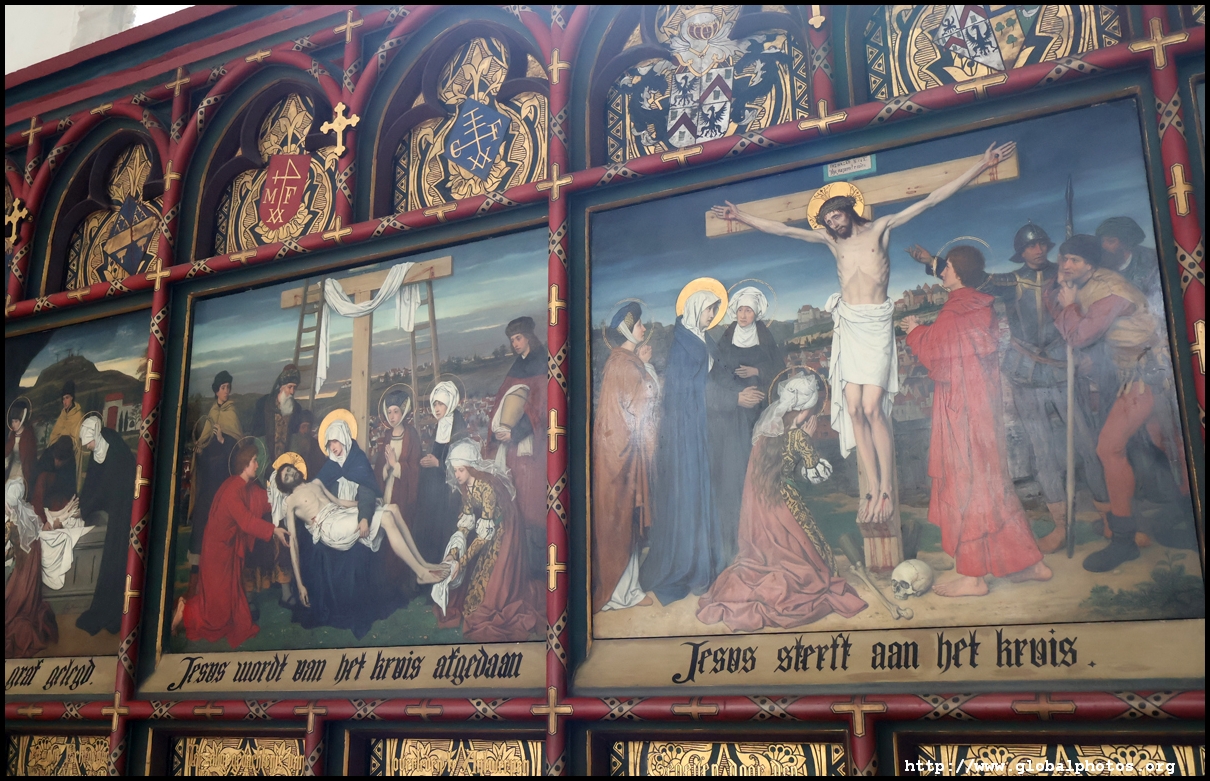
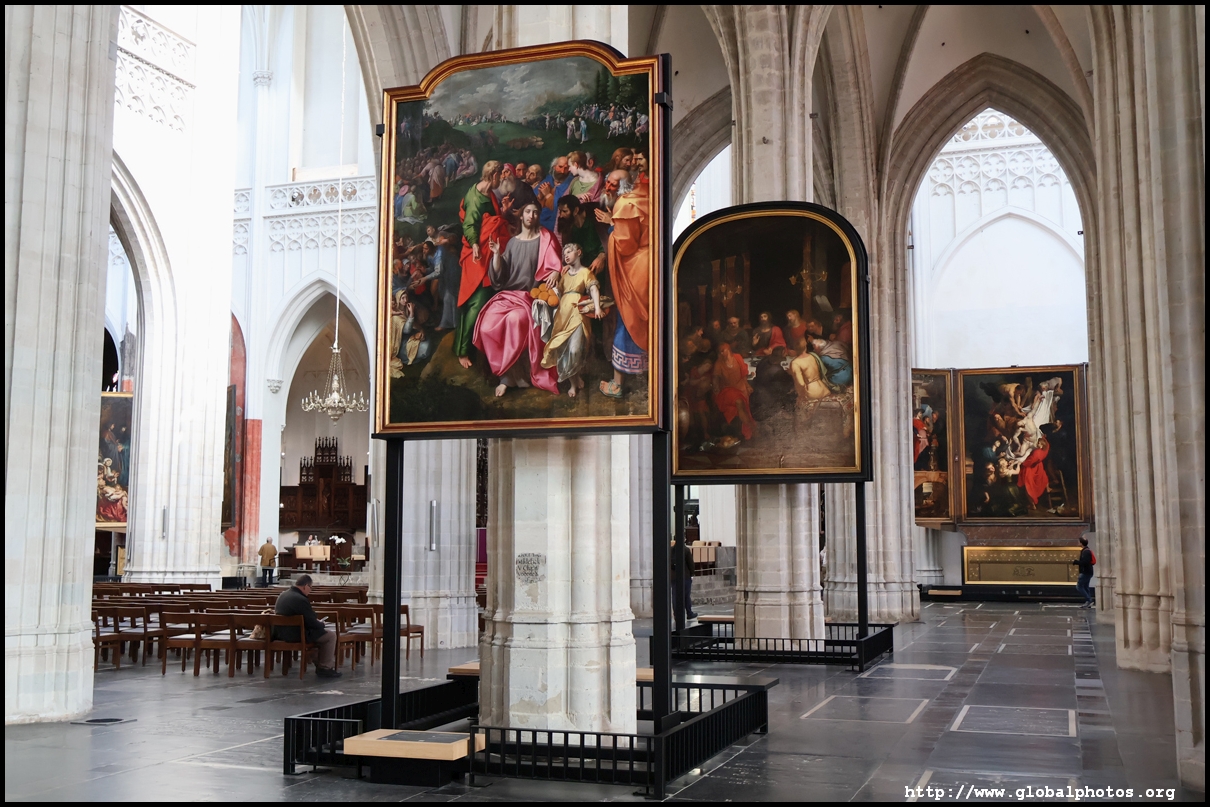
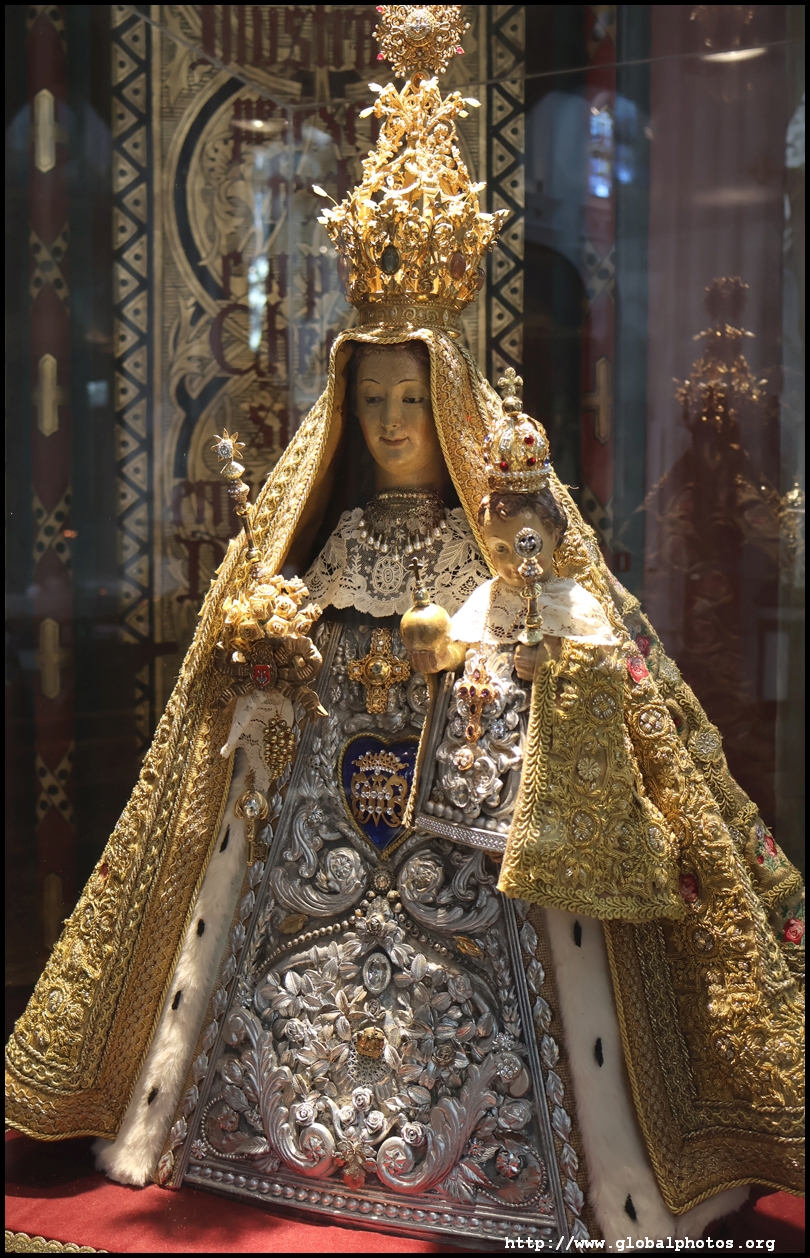
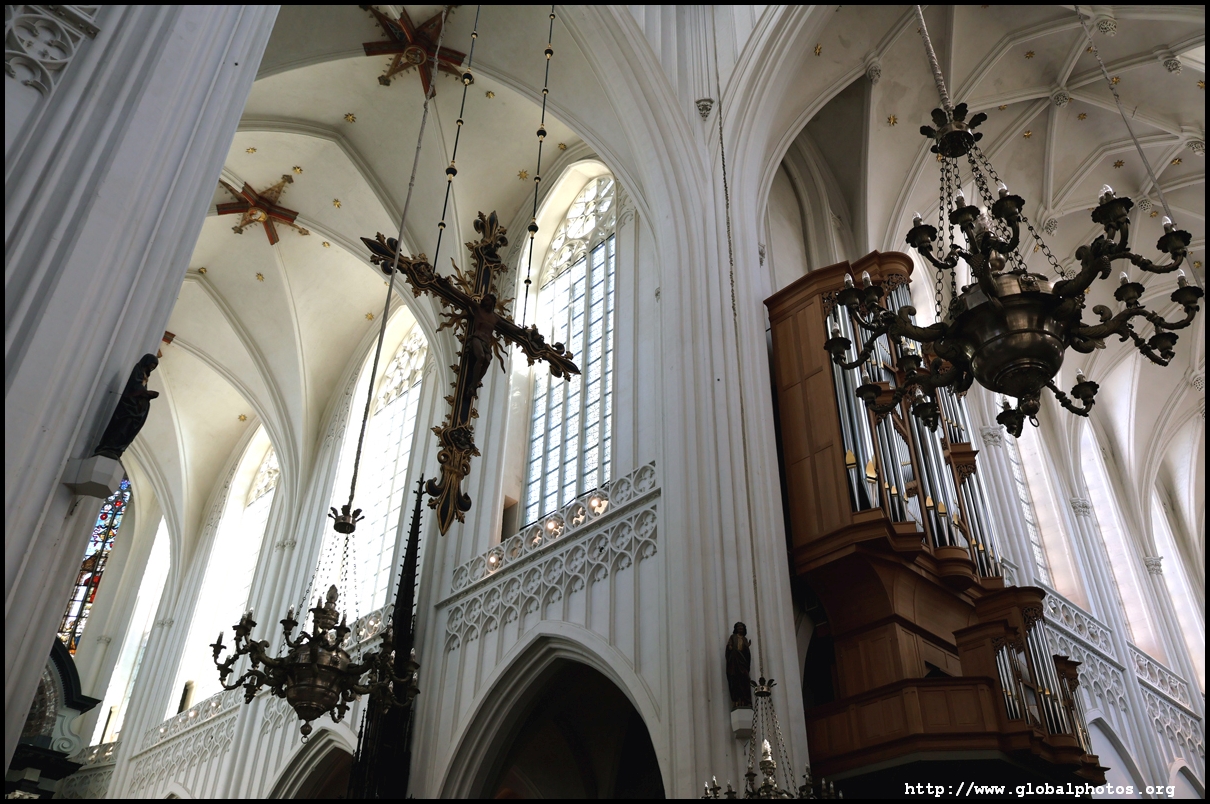
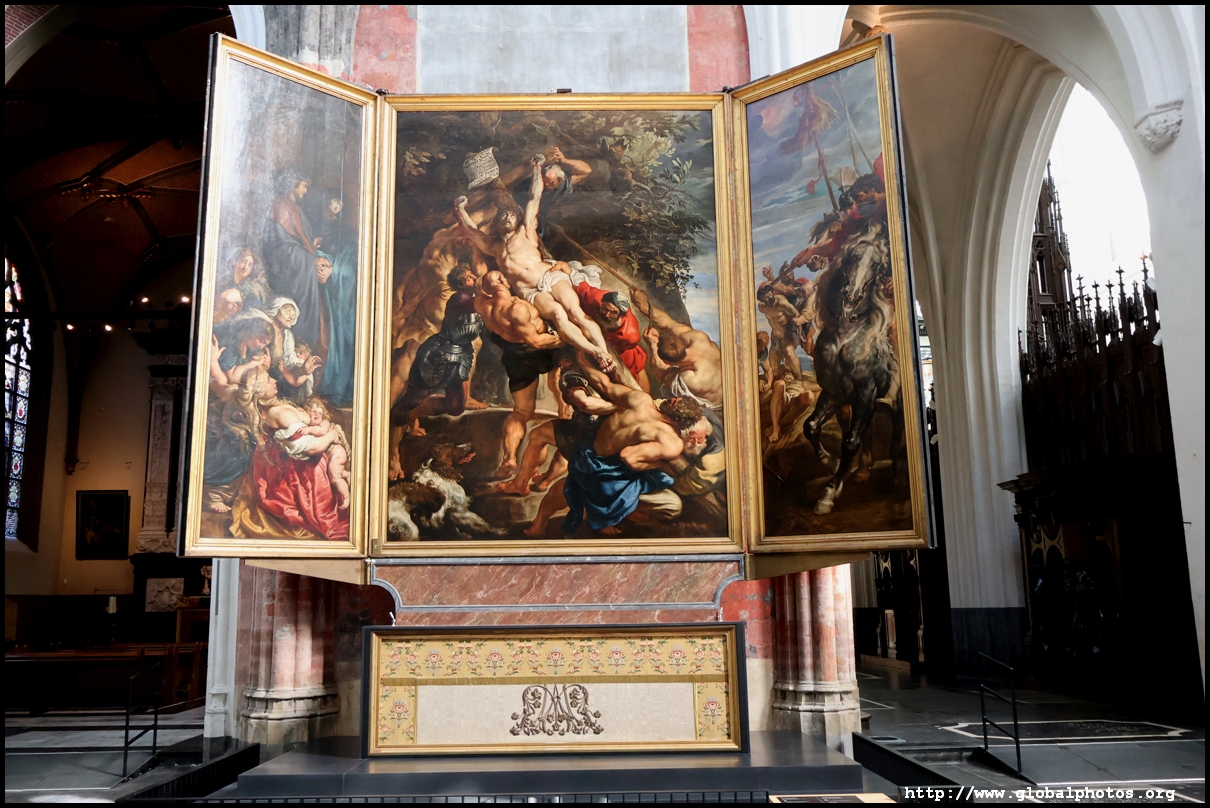
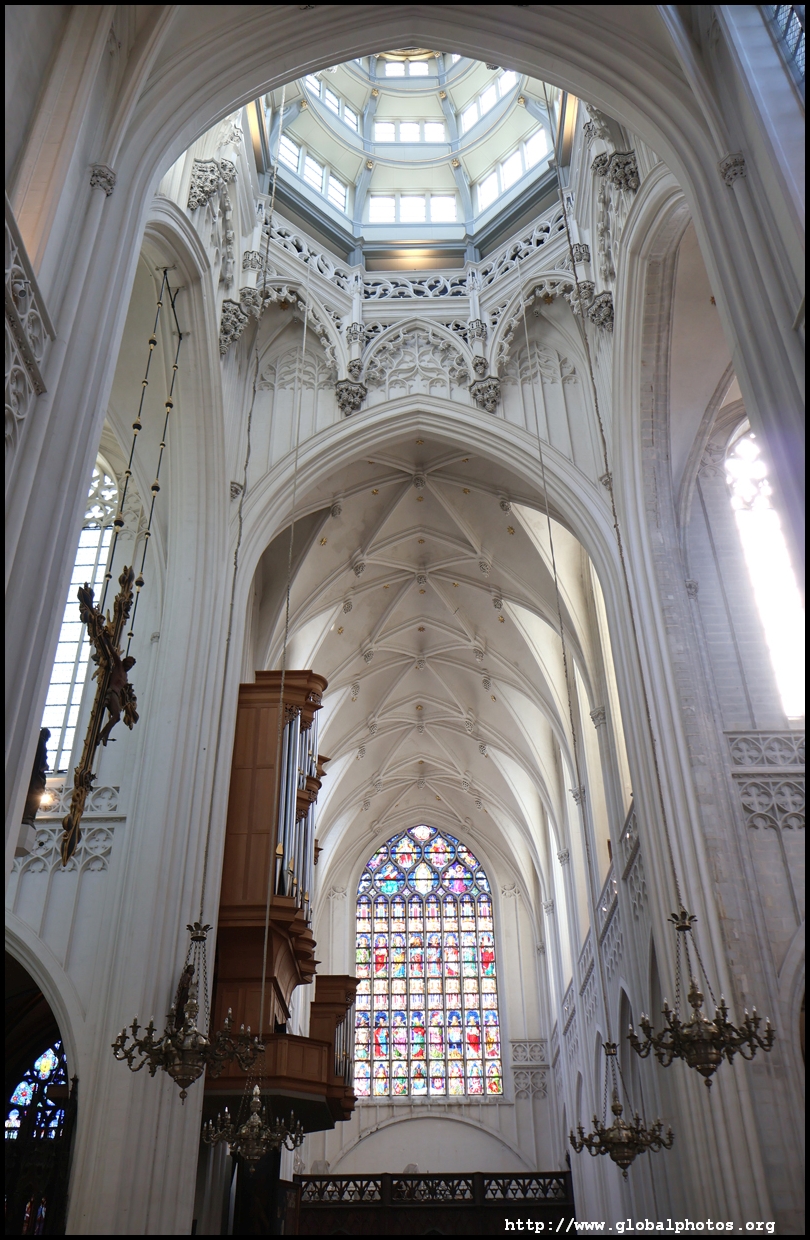
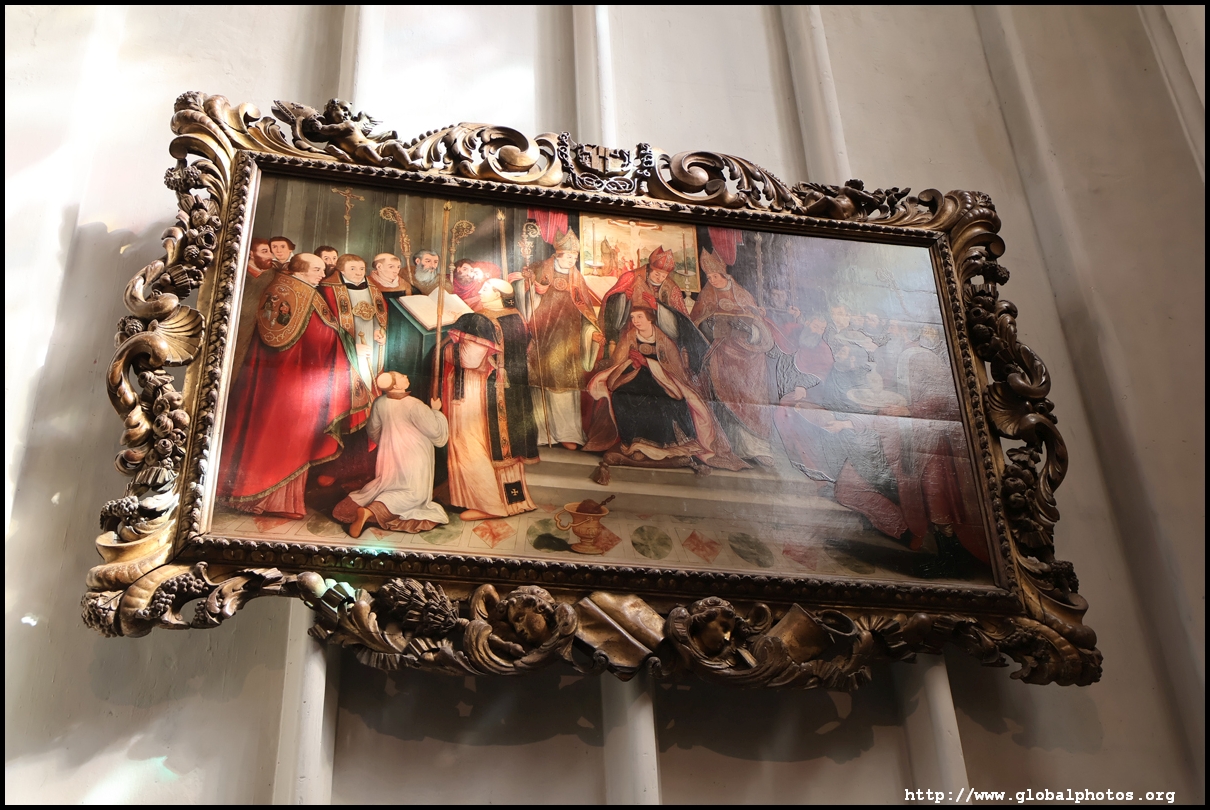
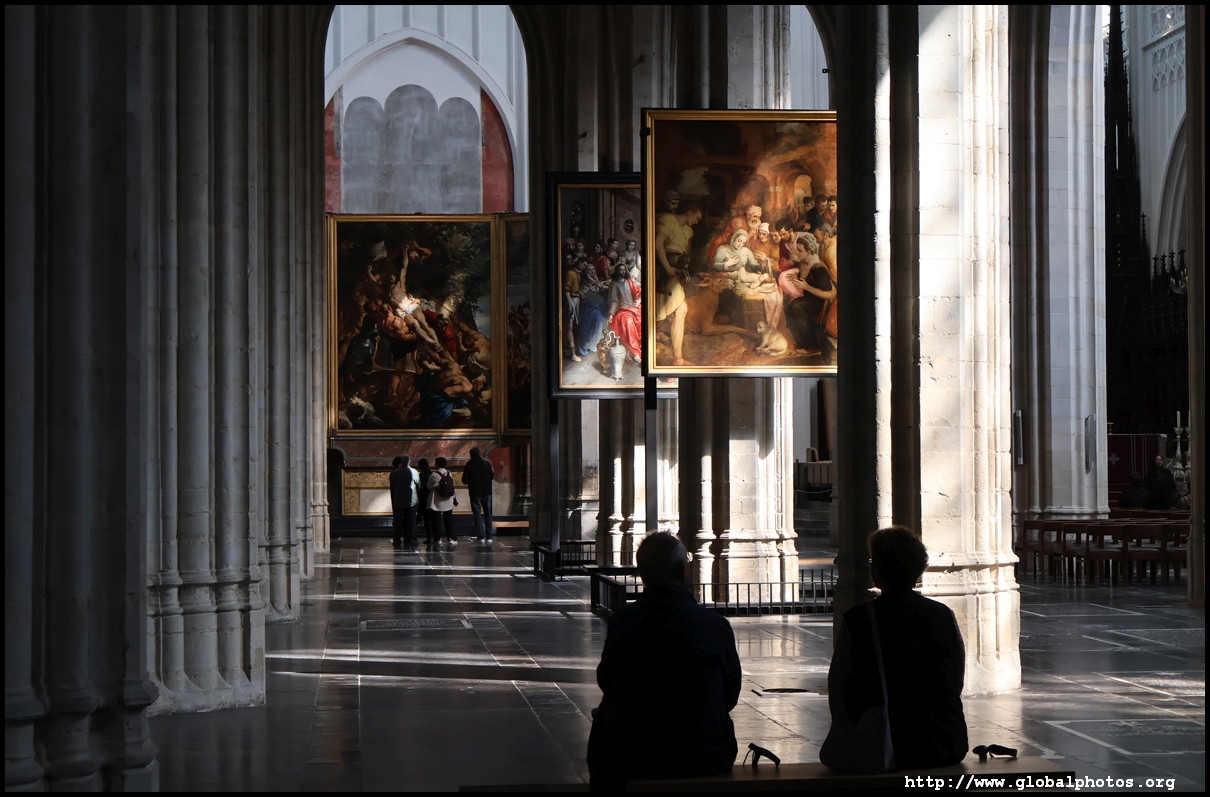
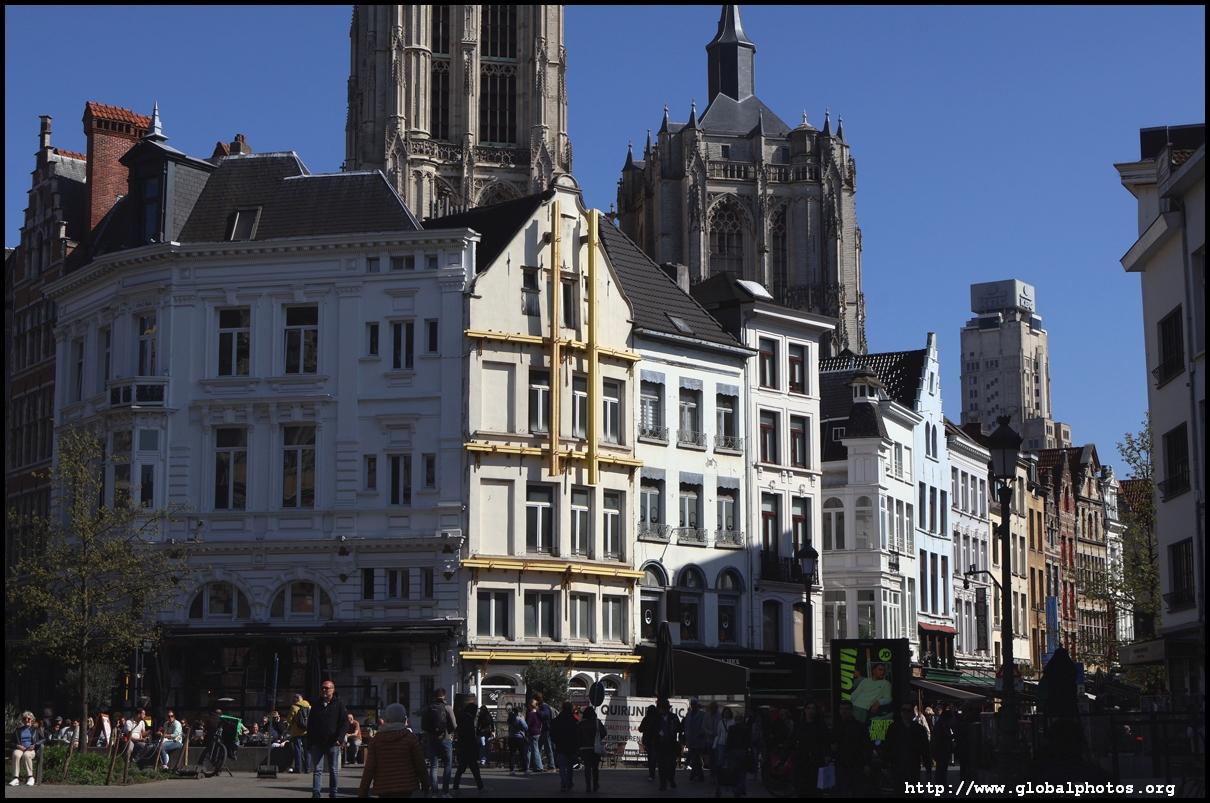
The Cathedral of Our Lady (Onze Lieve Vrouwekathedraal) is a Gothic church which mostly dates from the mid-15th century and took about 200 years to build. Its spire rises 123m and dominates the skyline. Inside, there is a rich assortment of paintings, including works by Peter Paul Rubens.
Rubens was a famous Flemish painter who studied in Antwerp. He was appointed court painter for the Dutch in 1609 and was immensely successful, branching out to diplomatic duties from the mid-1620s onwards. At the time, it was common for painters to visit foreign courts, so adding political assignments seemed a logical choice that won't arouse suspicion.
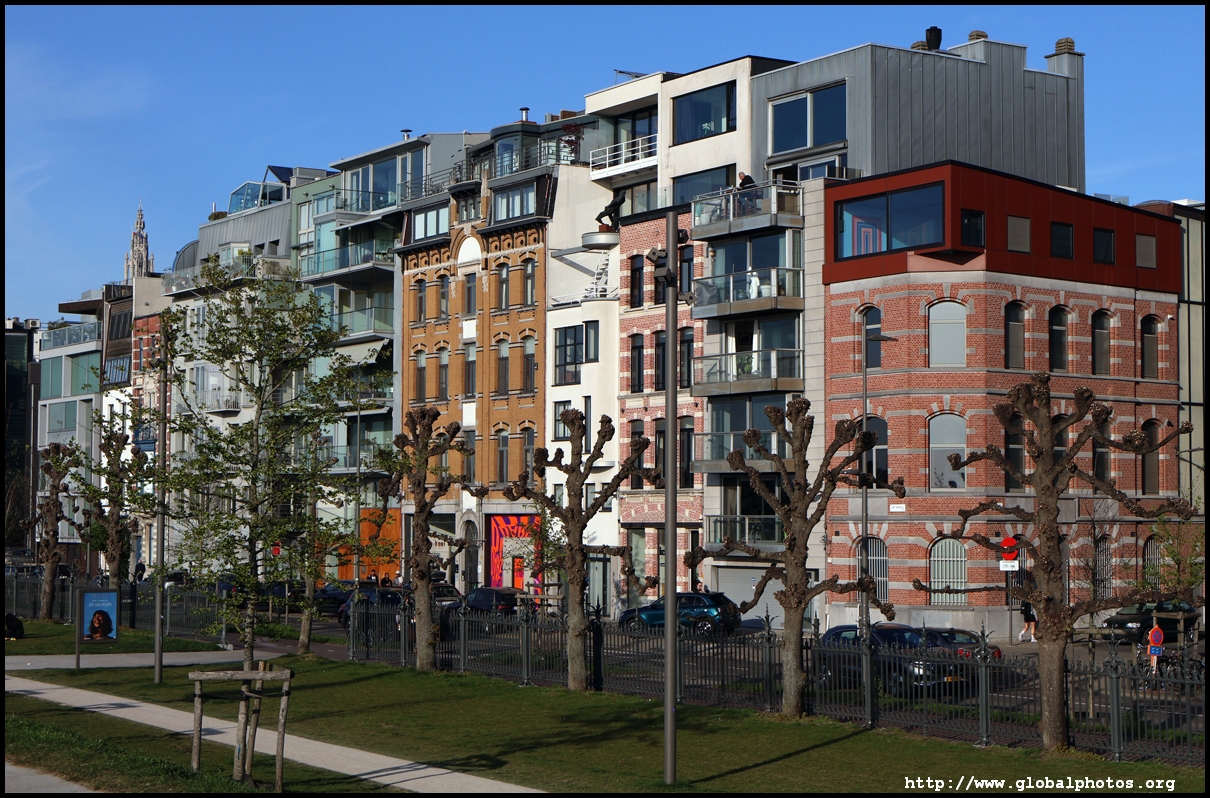
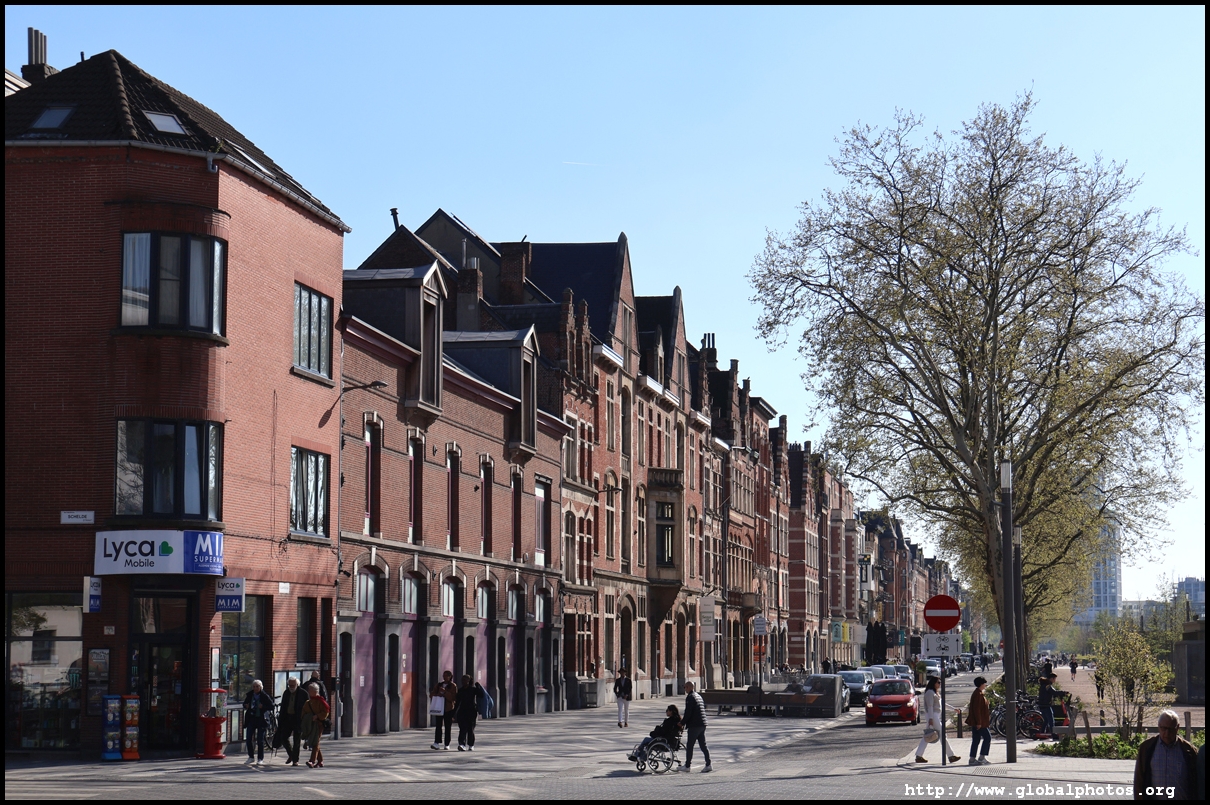
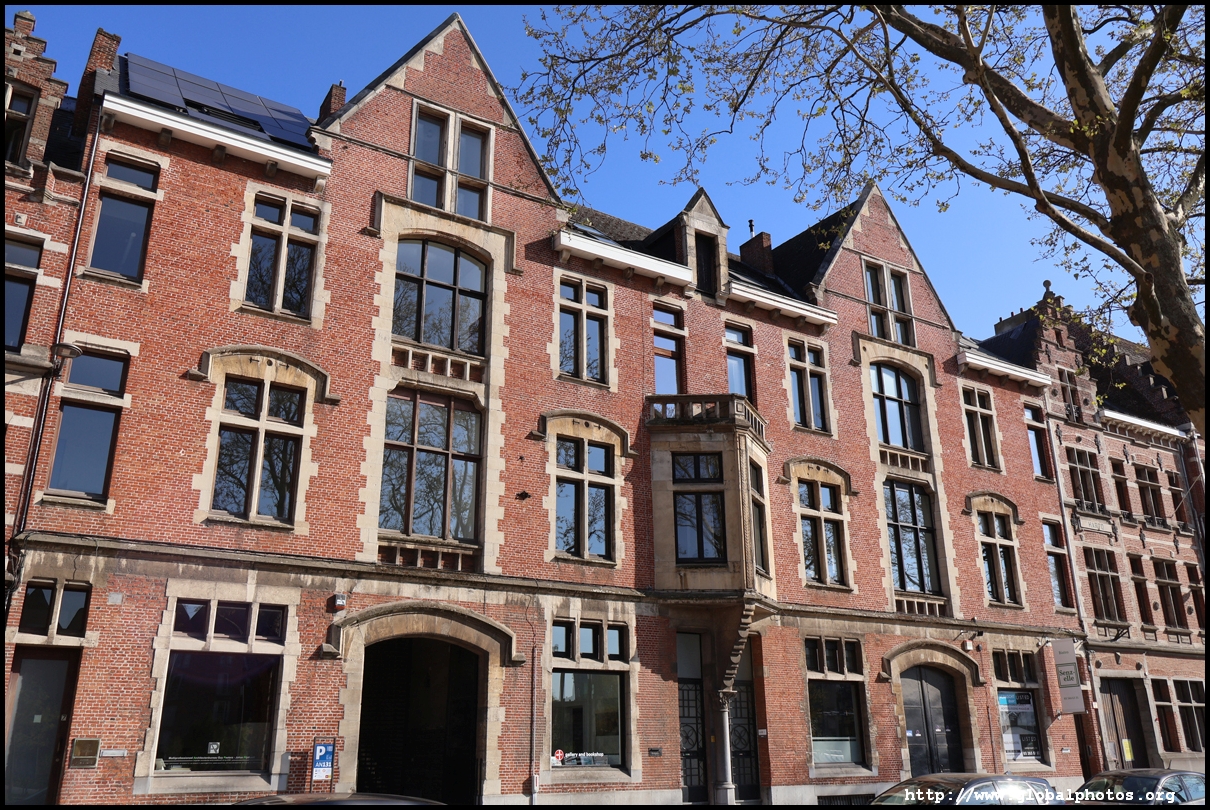
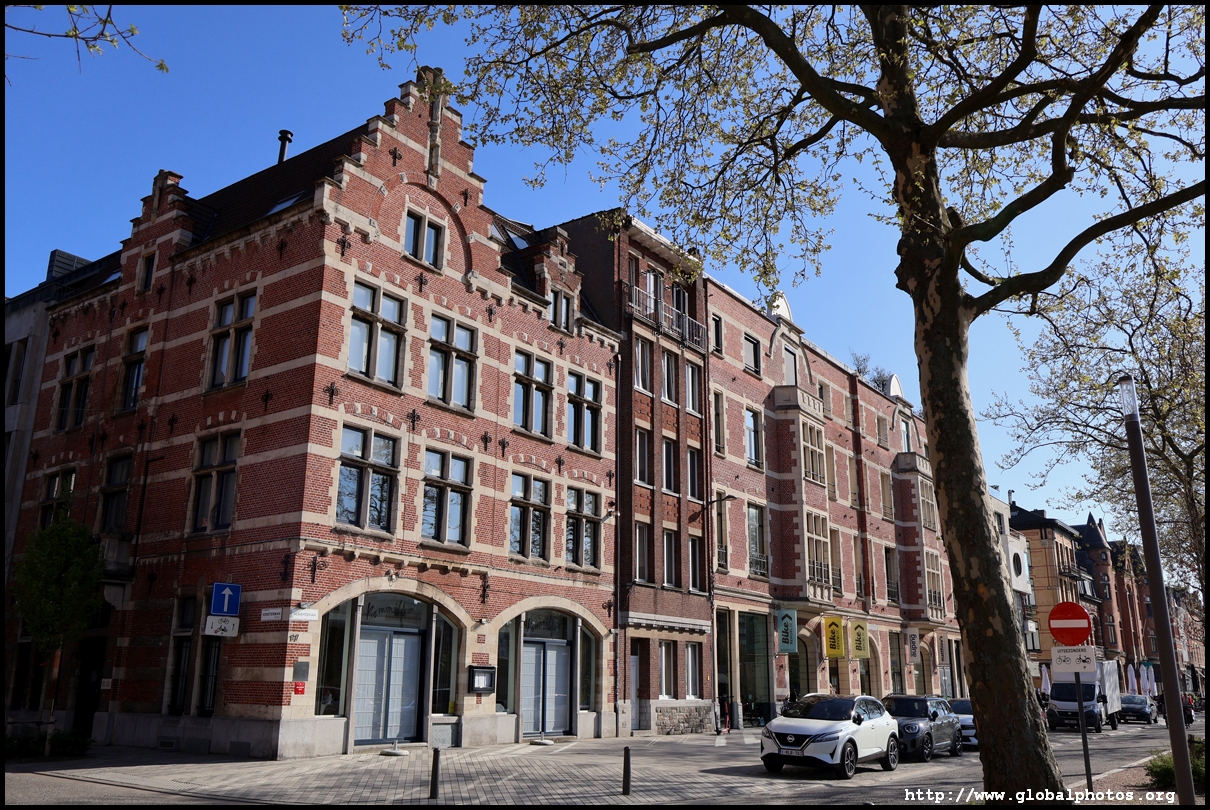
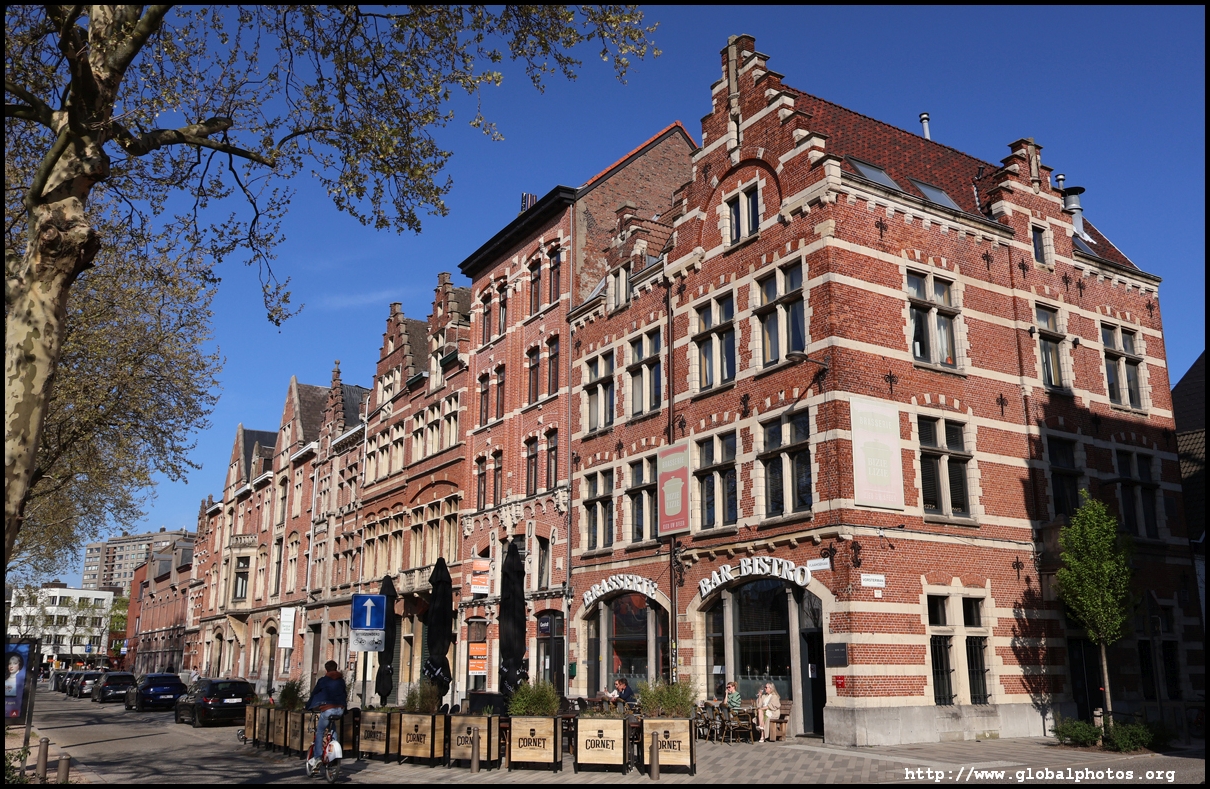
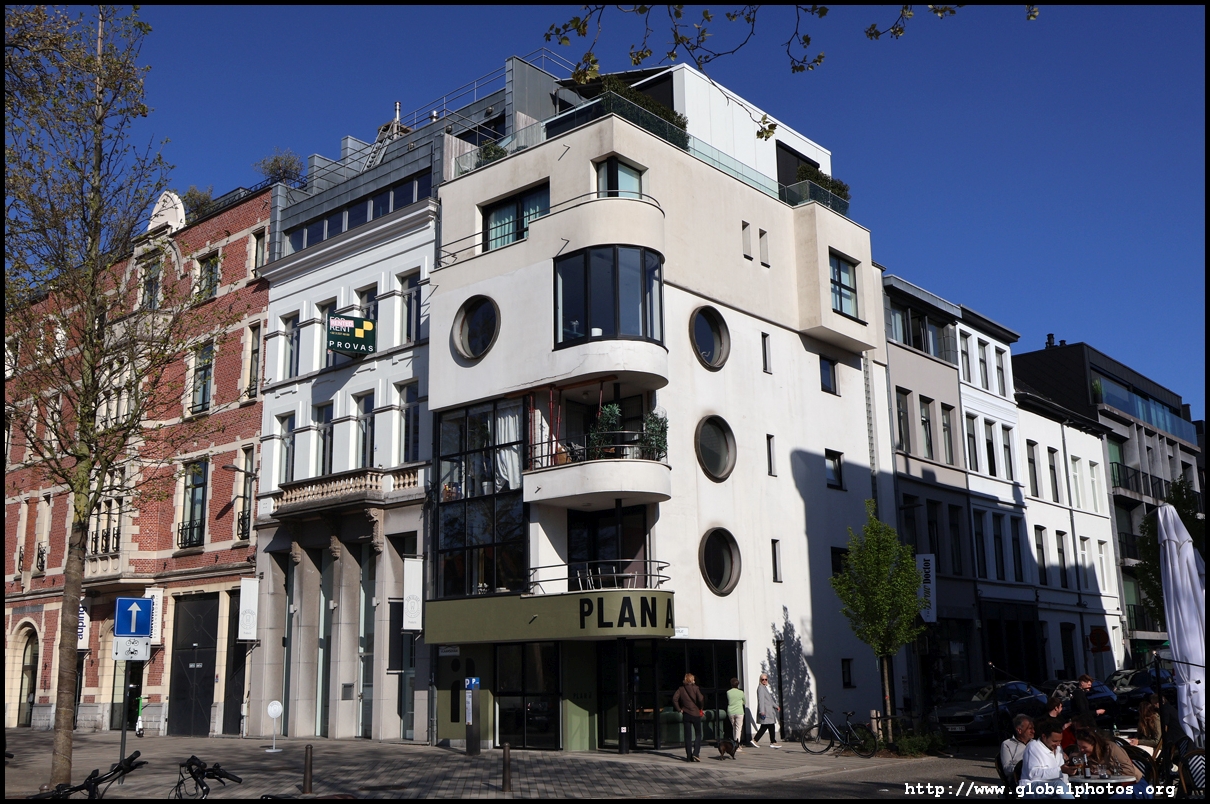
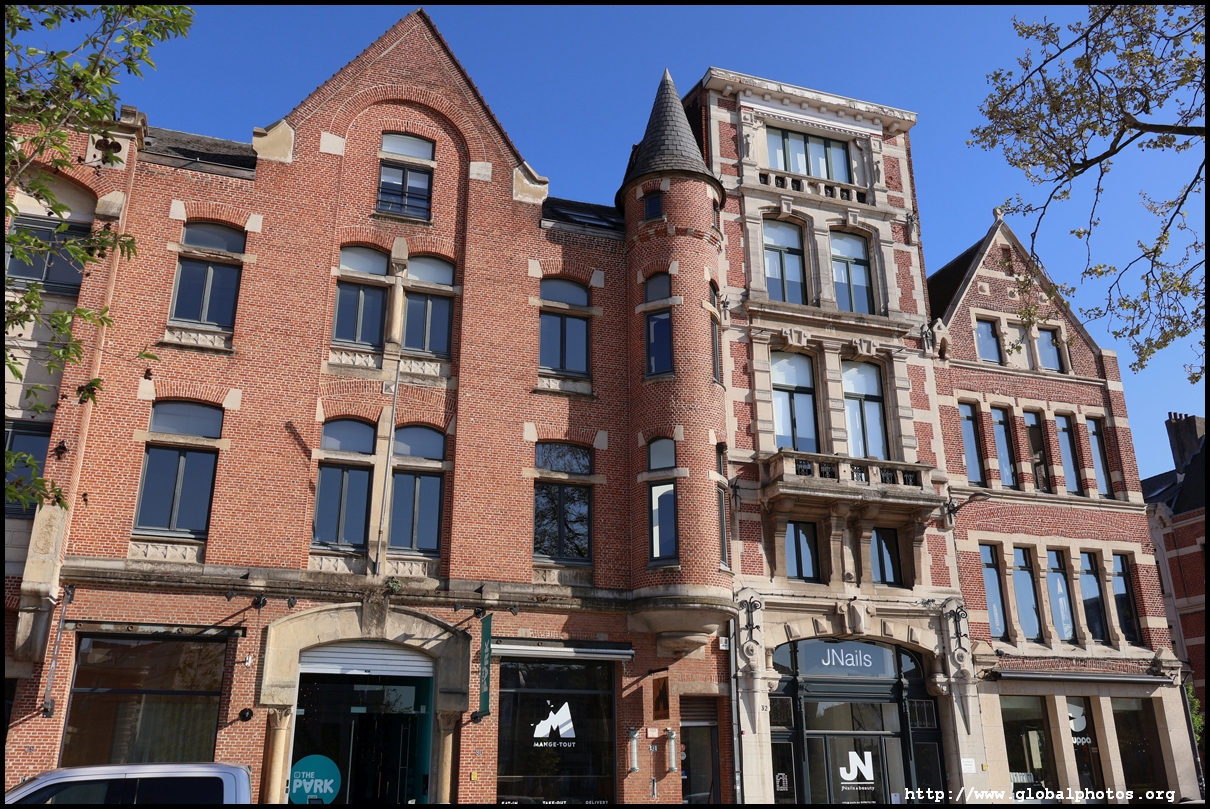
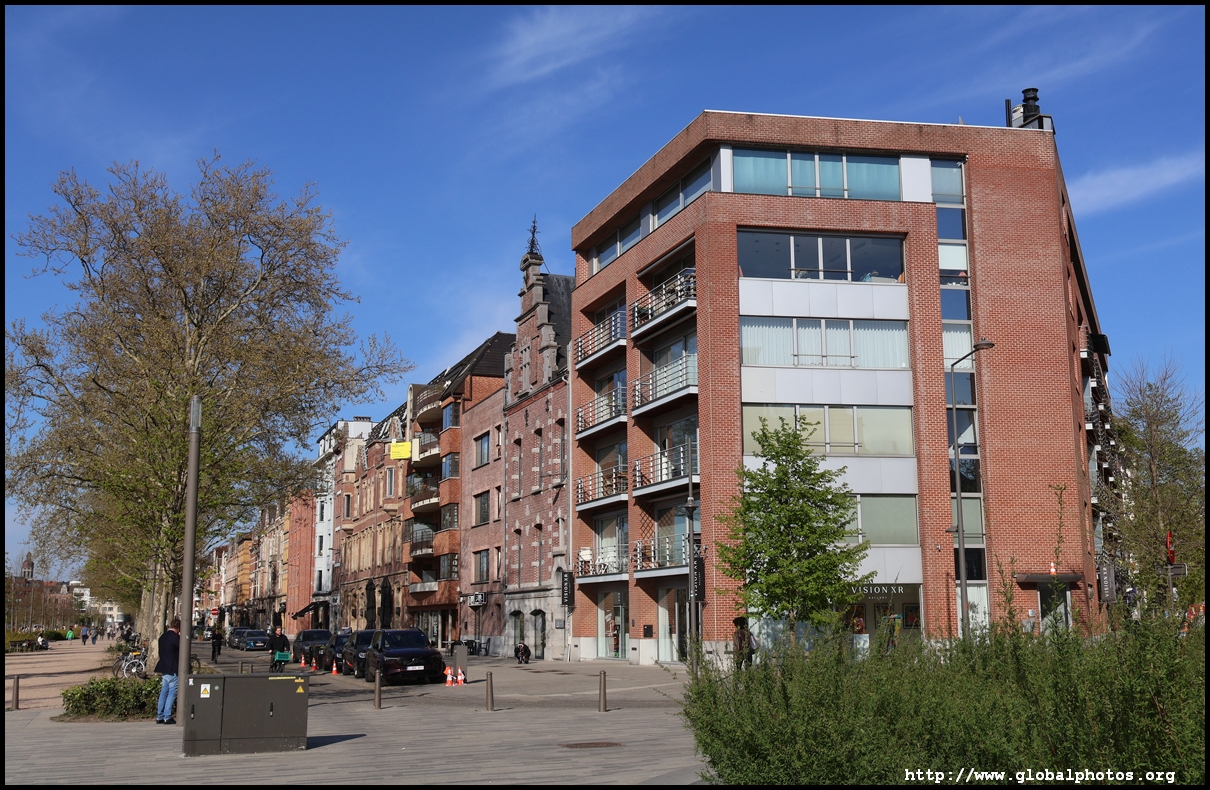
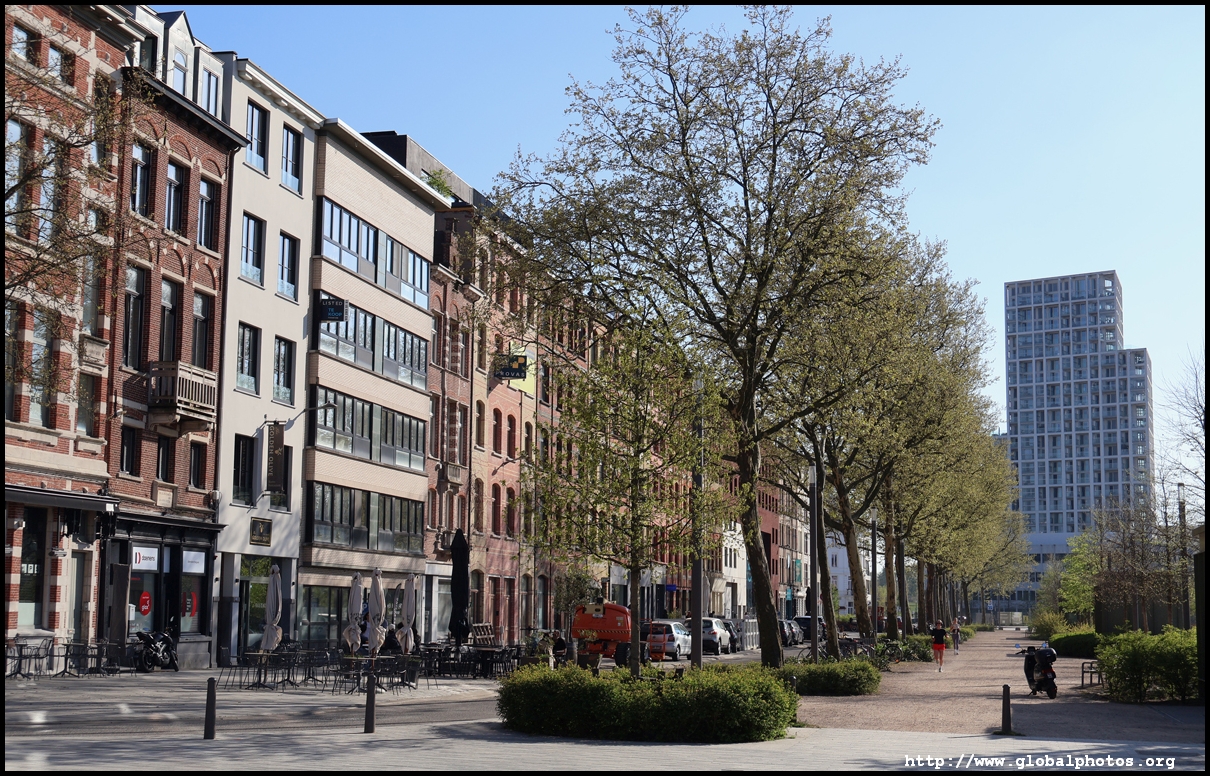
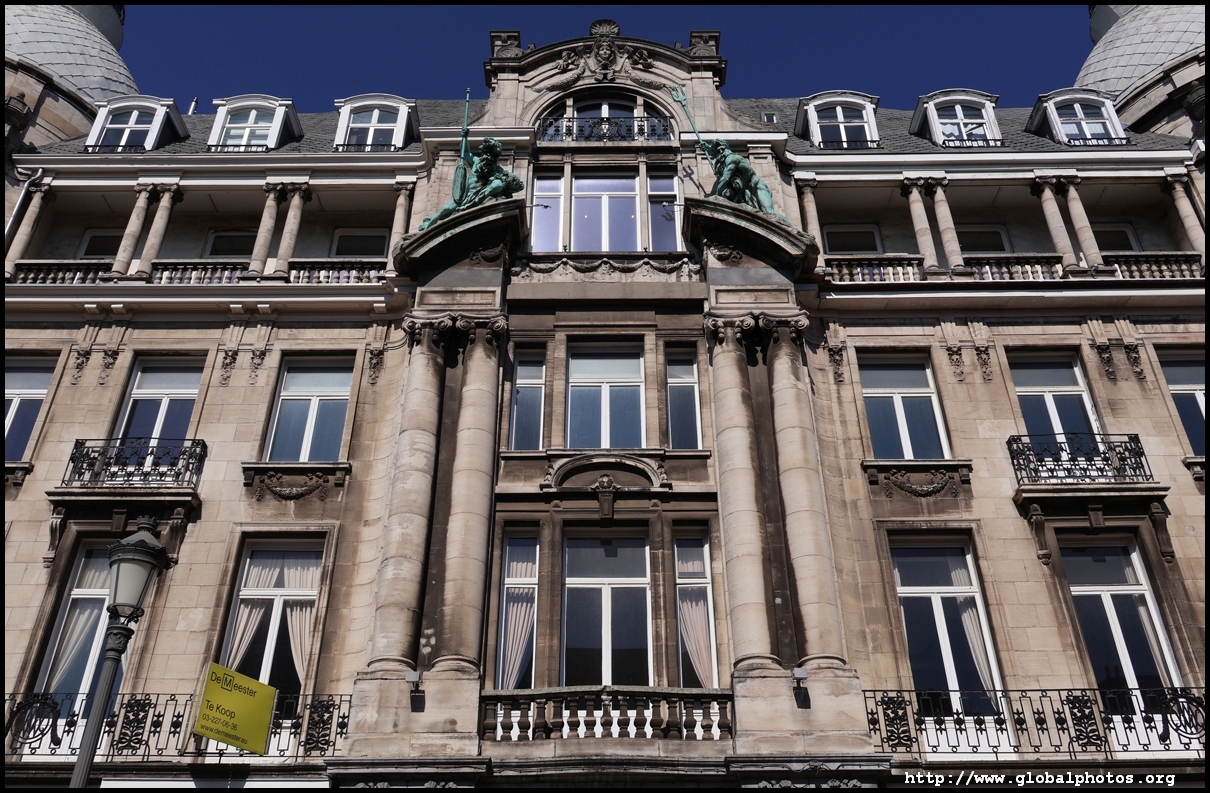
While Zuid is a fairly trendy place today with museums, parks, beautiful Art Nouveau architecture, and upscale shops, it wasn't long ago when this part of south Antwerp was undesirable. The district was originally developed at the end of the 19th century on the old Spanish citadel. It had elegant streets, wide avenues, and grand buildings. However, the area fell into decline in the 1960s but has luckily been rejuvenated into a fashionable residential area with several museums.
The city had already decided in the 1870s of the need to connect both banks of the river, but proposals to build a bridge were rejected as it may impede shipping traffic below.
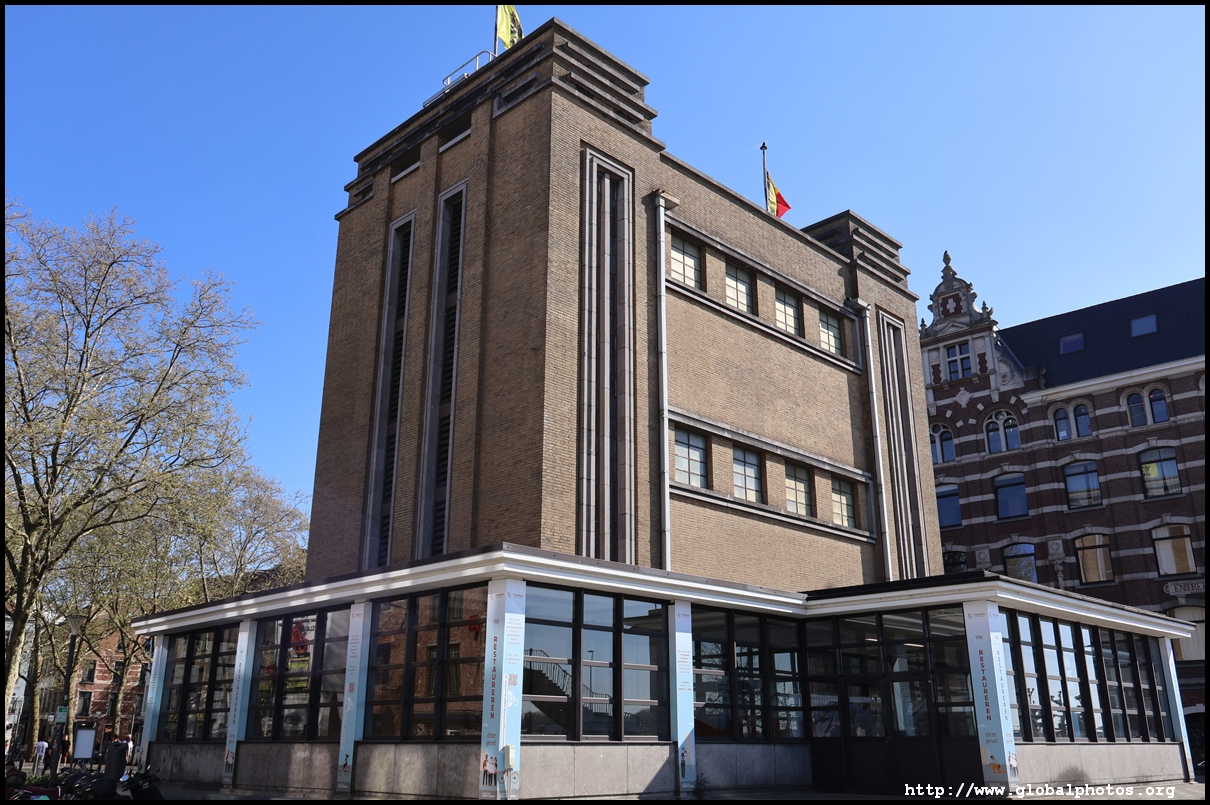
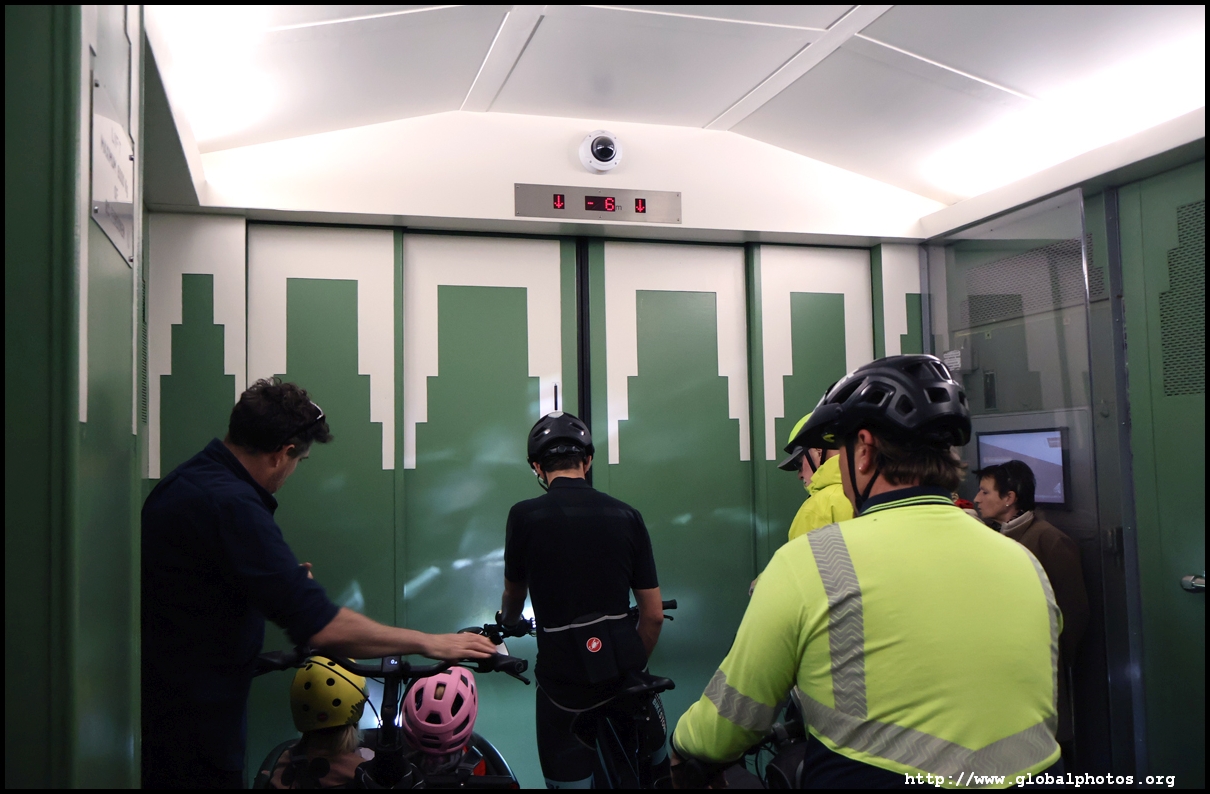
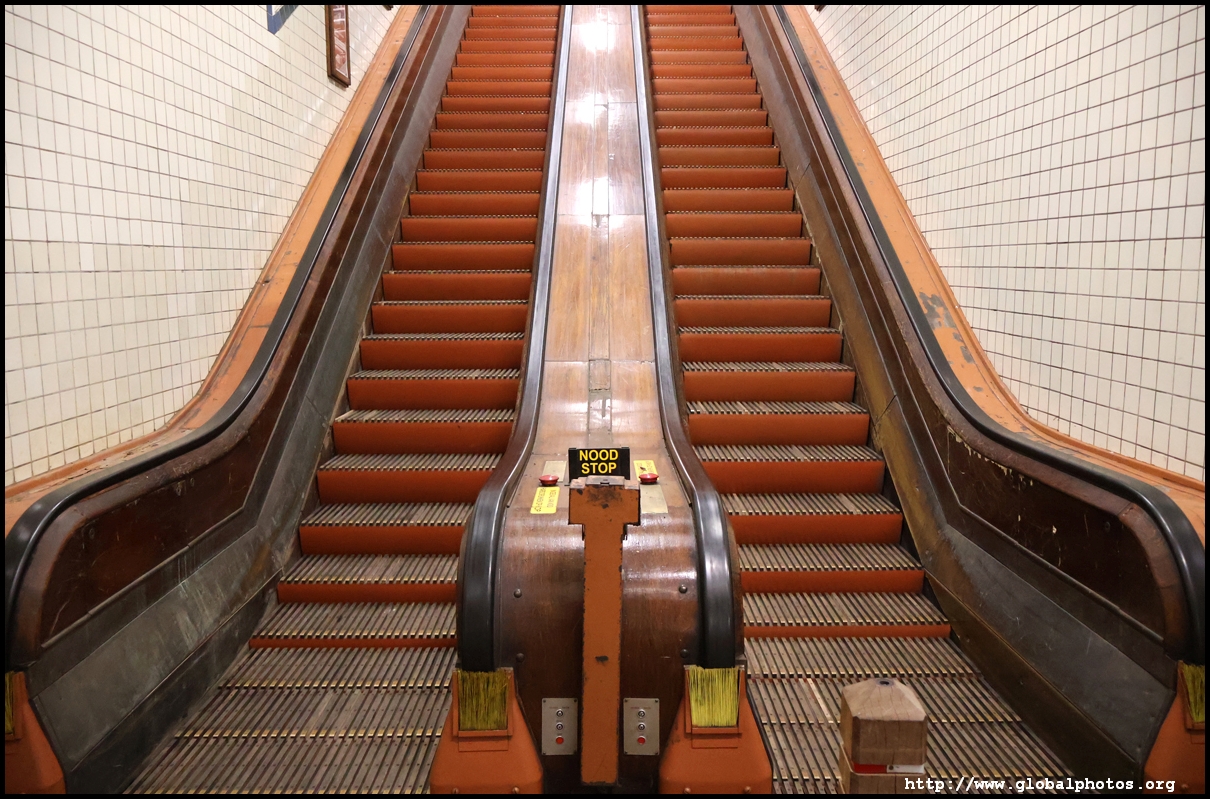
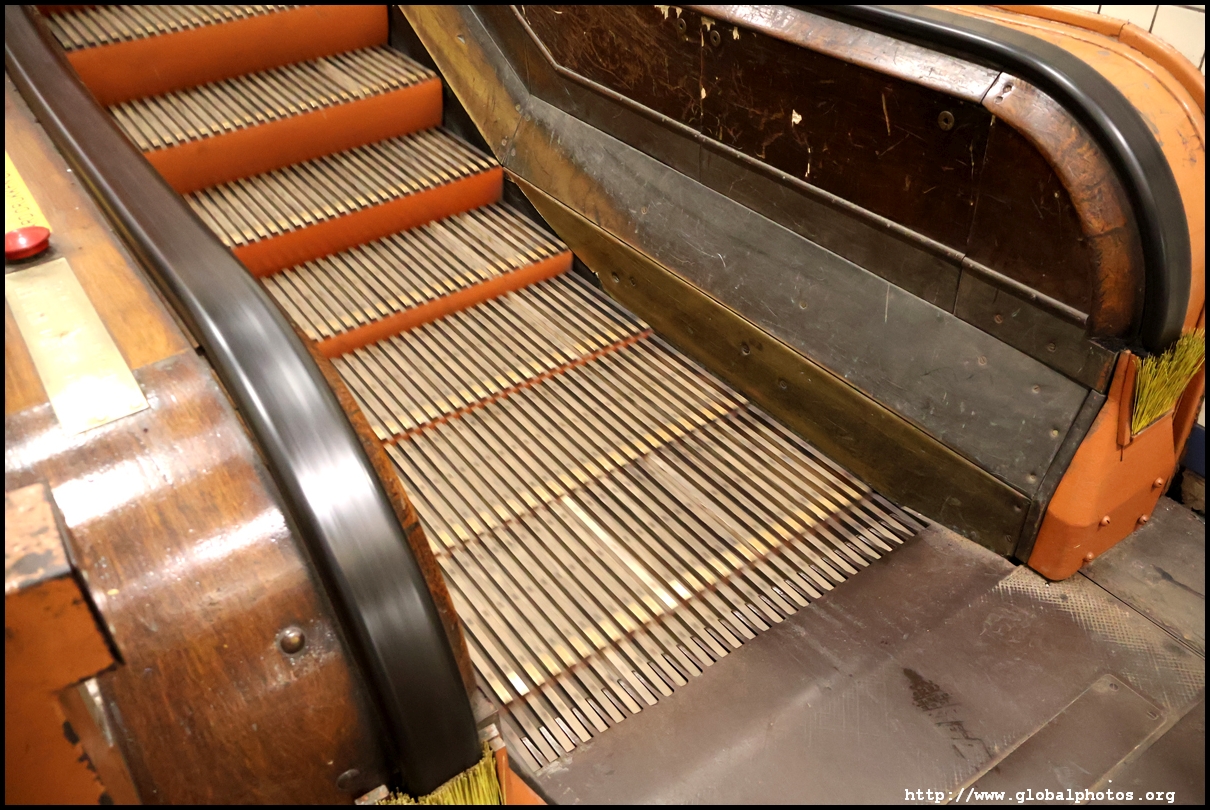
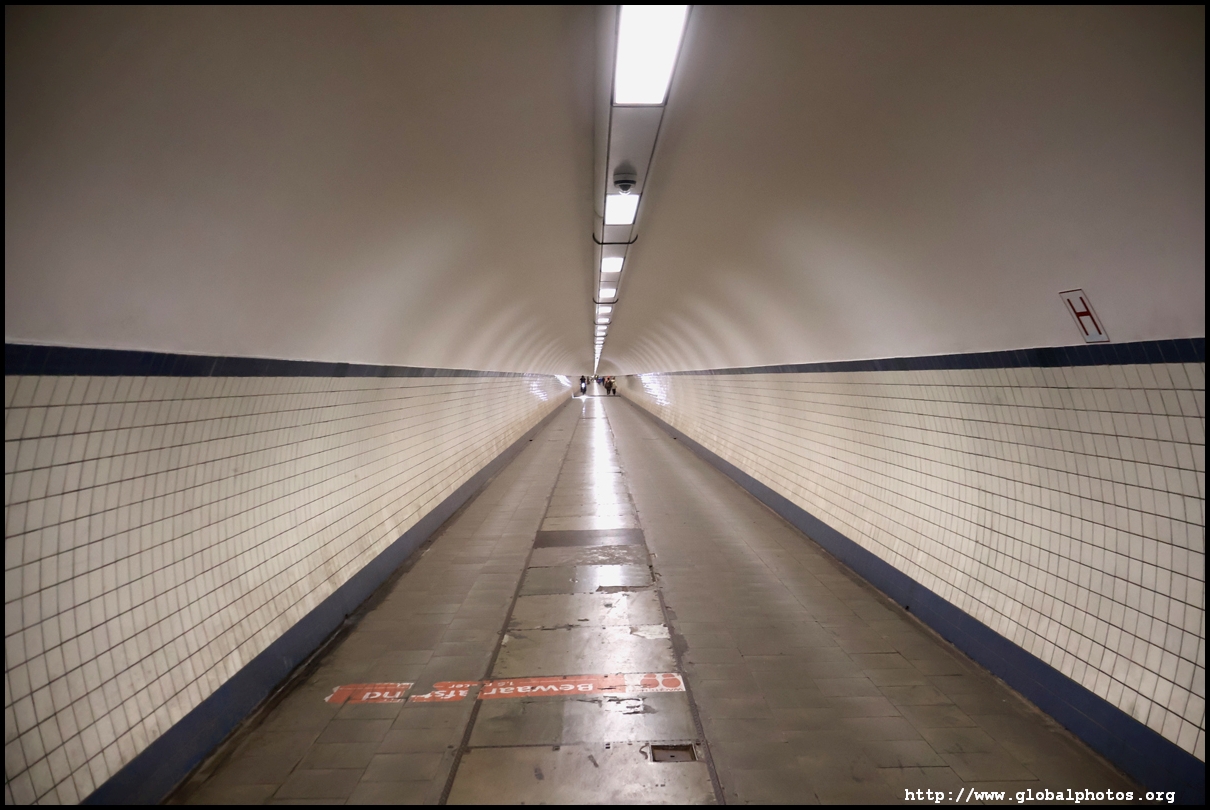
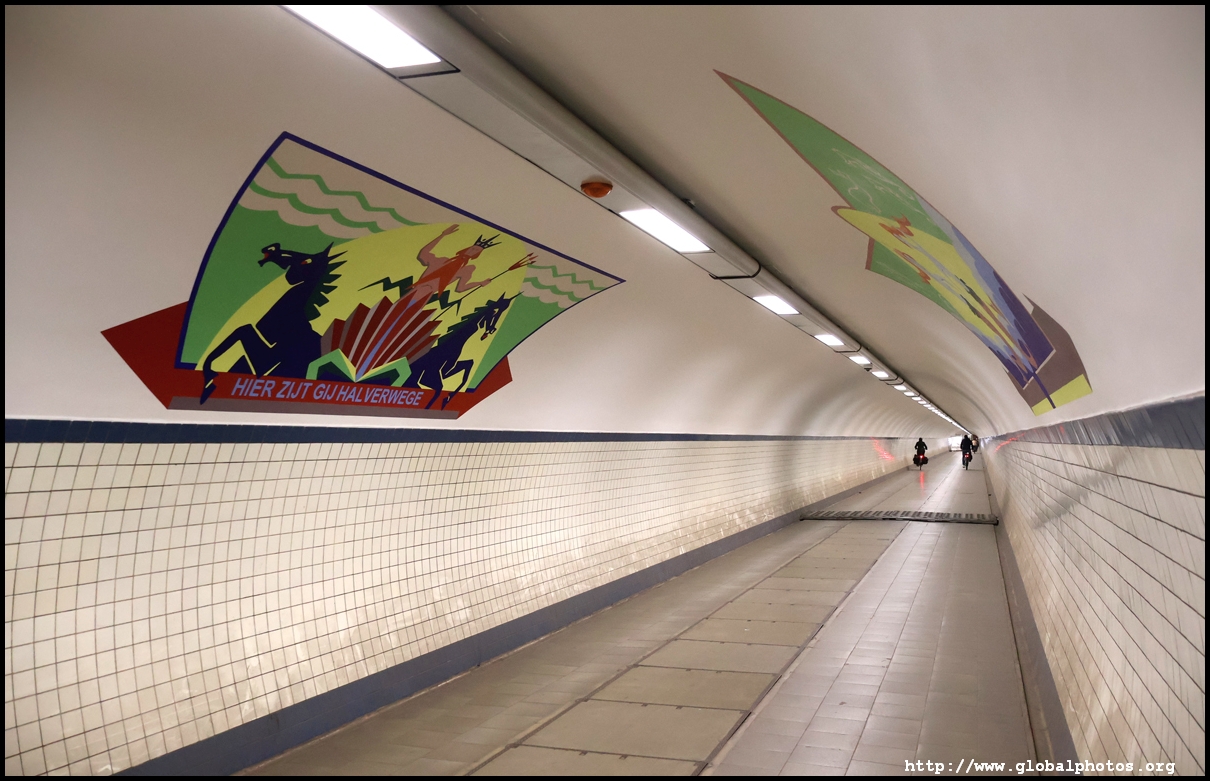
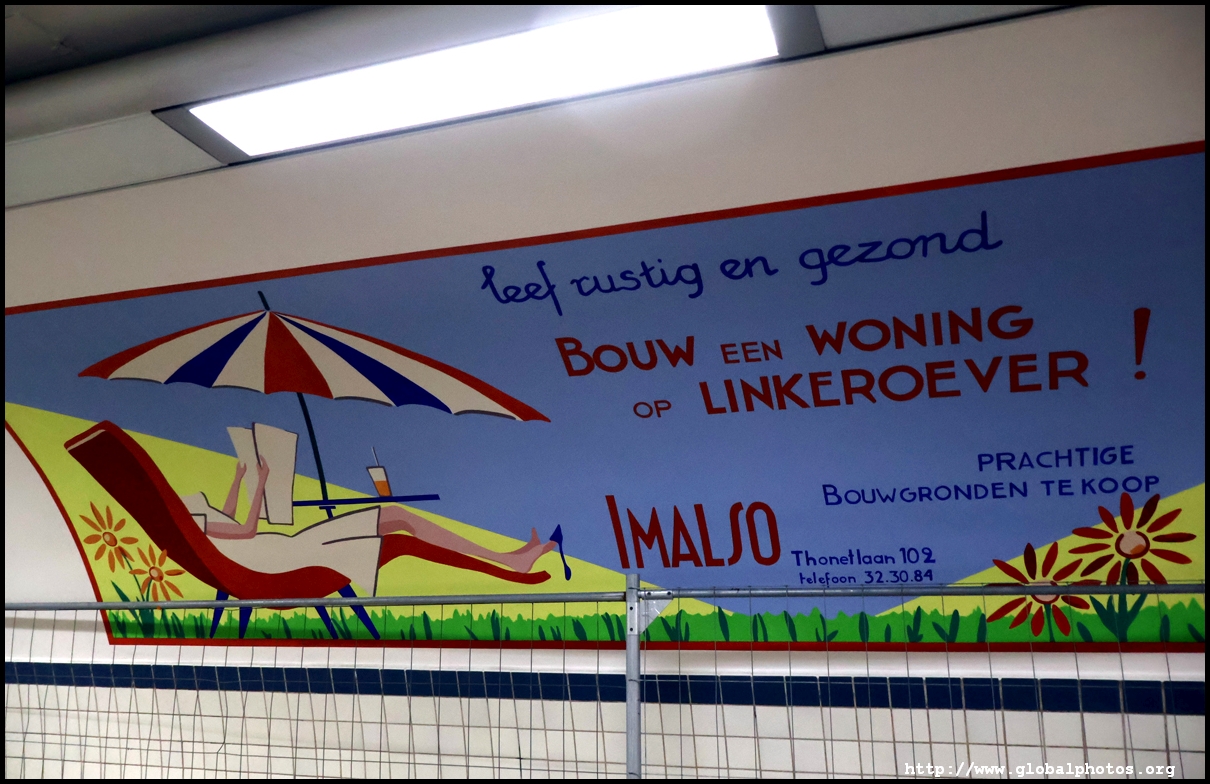
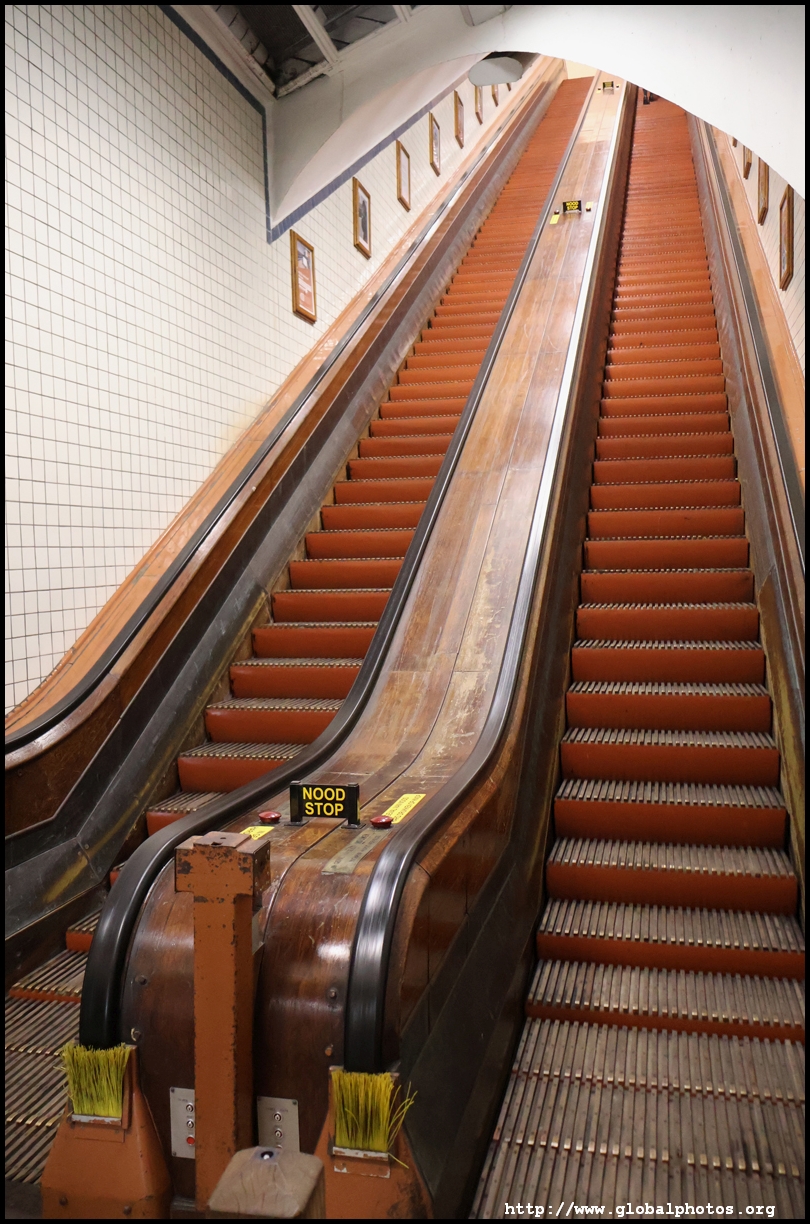
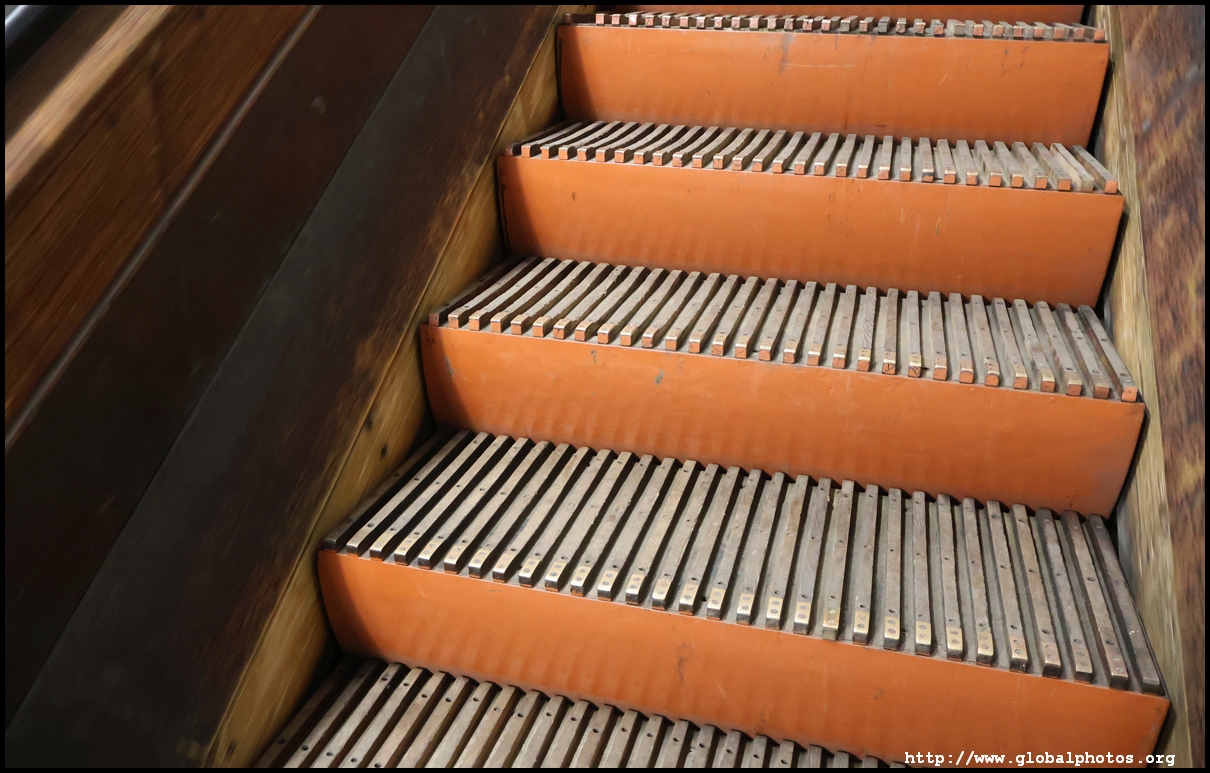
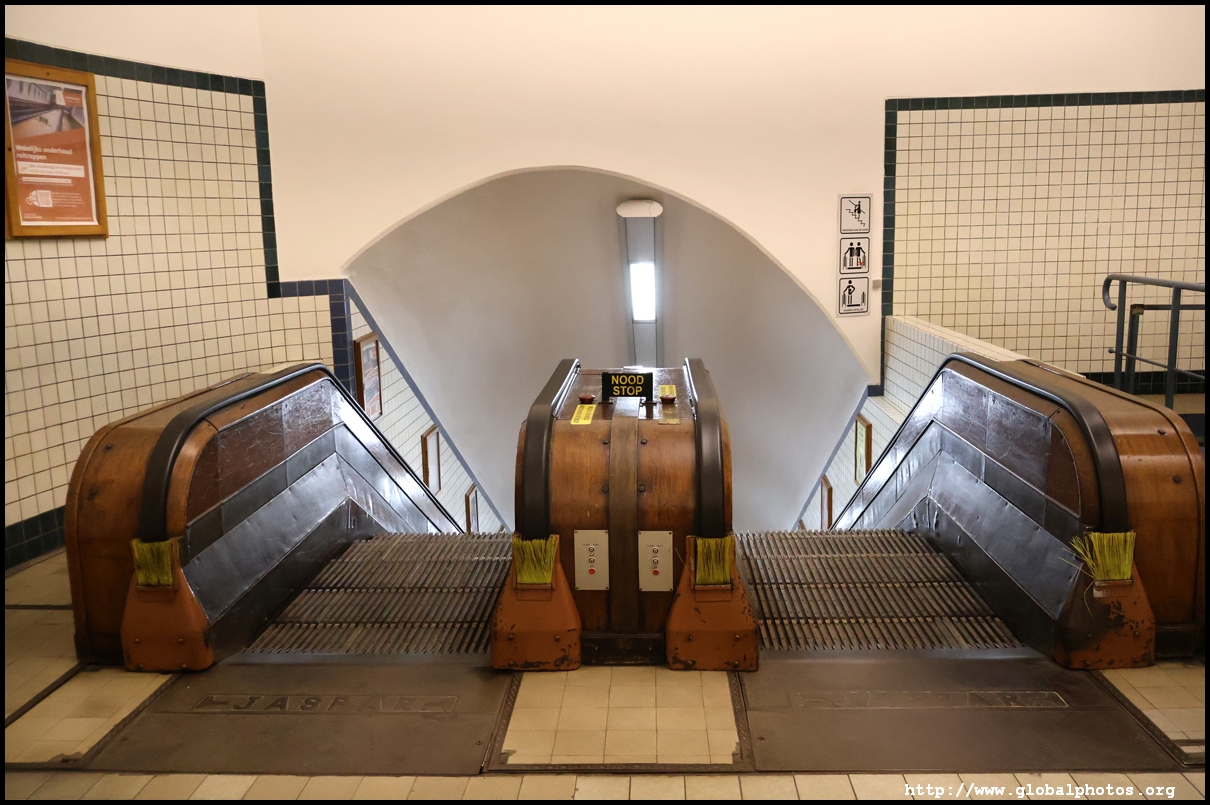
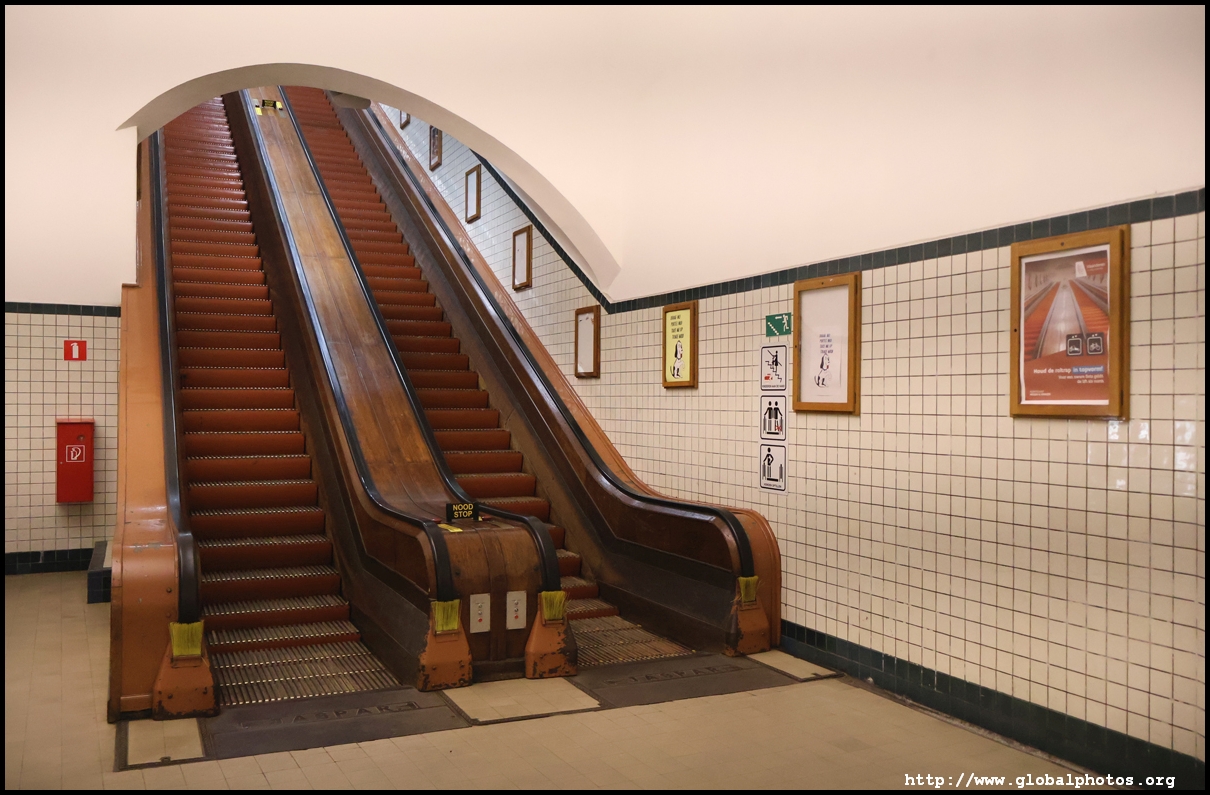
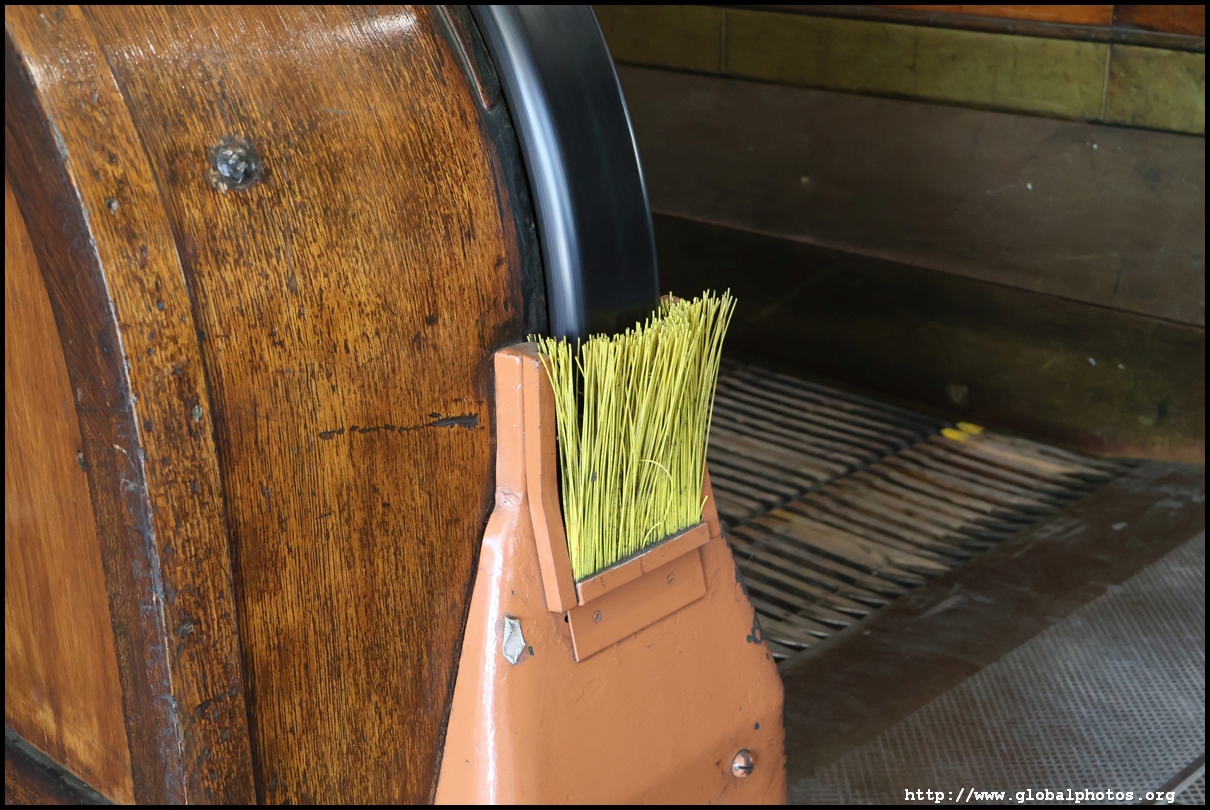
It wasn't until 1931 when the tunnel proposal was adopted. The 572m-long Sint-Annatunnel opened in 1933 and is now used by both pedestrians and cyclists to cross the Scheldt, with wooden escalators on both sides to connect you from 31.5m underground back to the ground. Wooden escalators are exceedingly rare nowadays, with the wood steps weighing about 40kg each, and the whole bit made by Jaspar, a Belgian company.
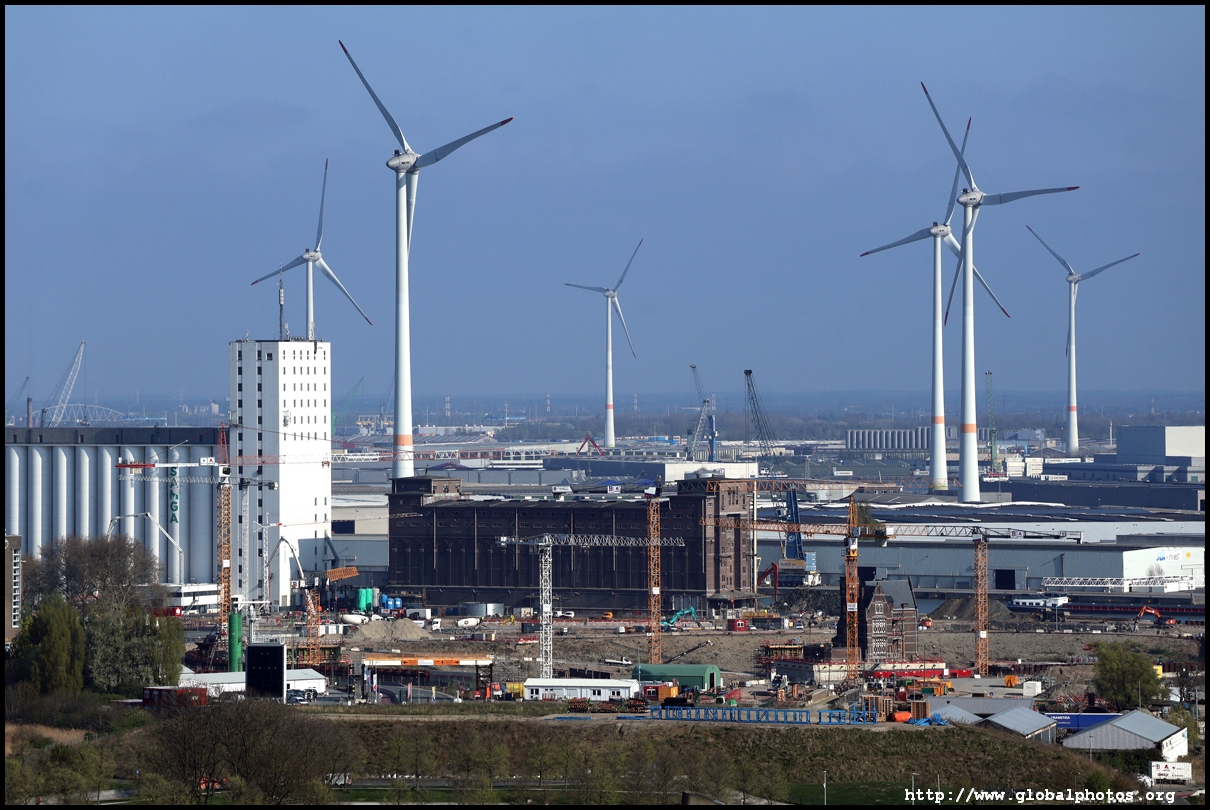
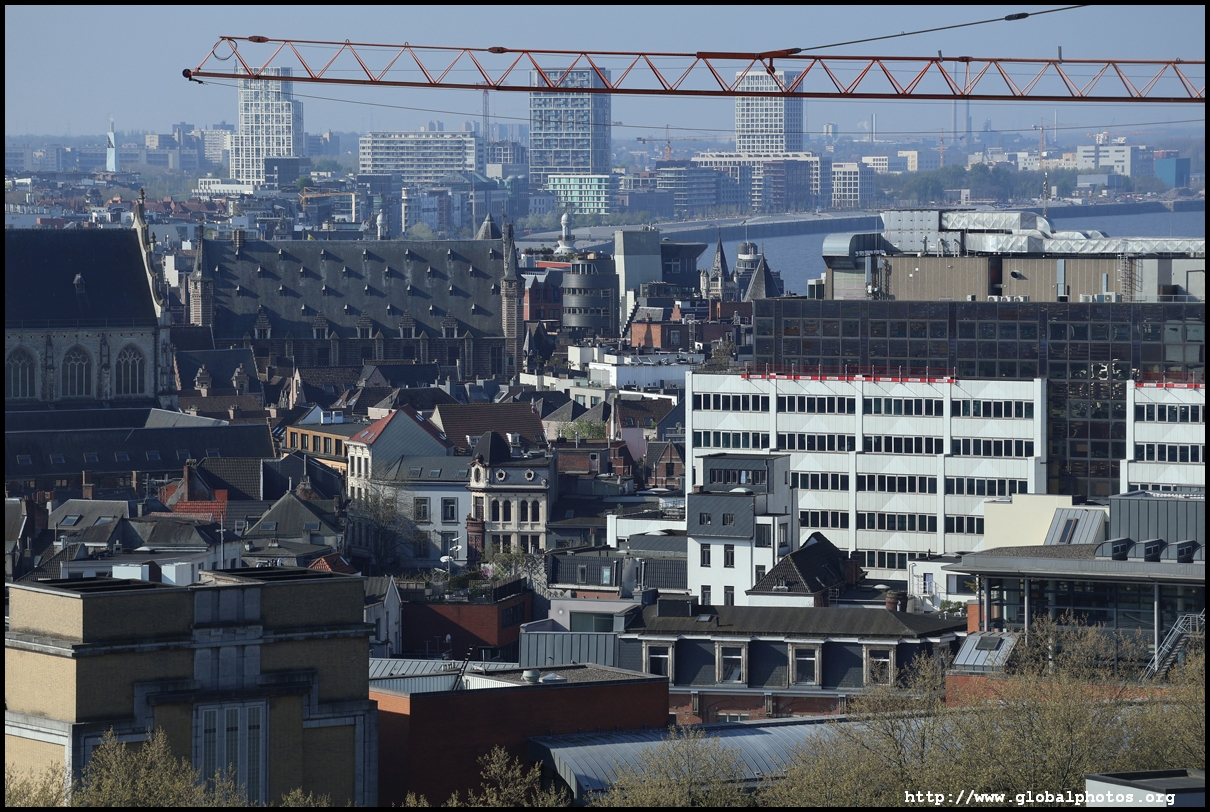
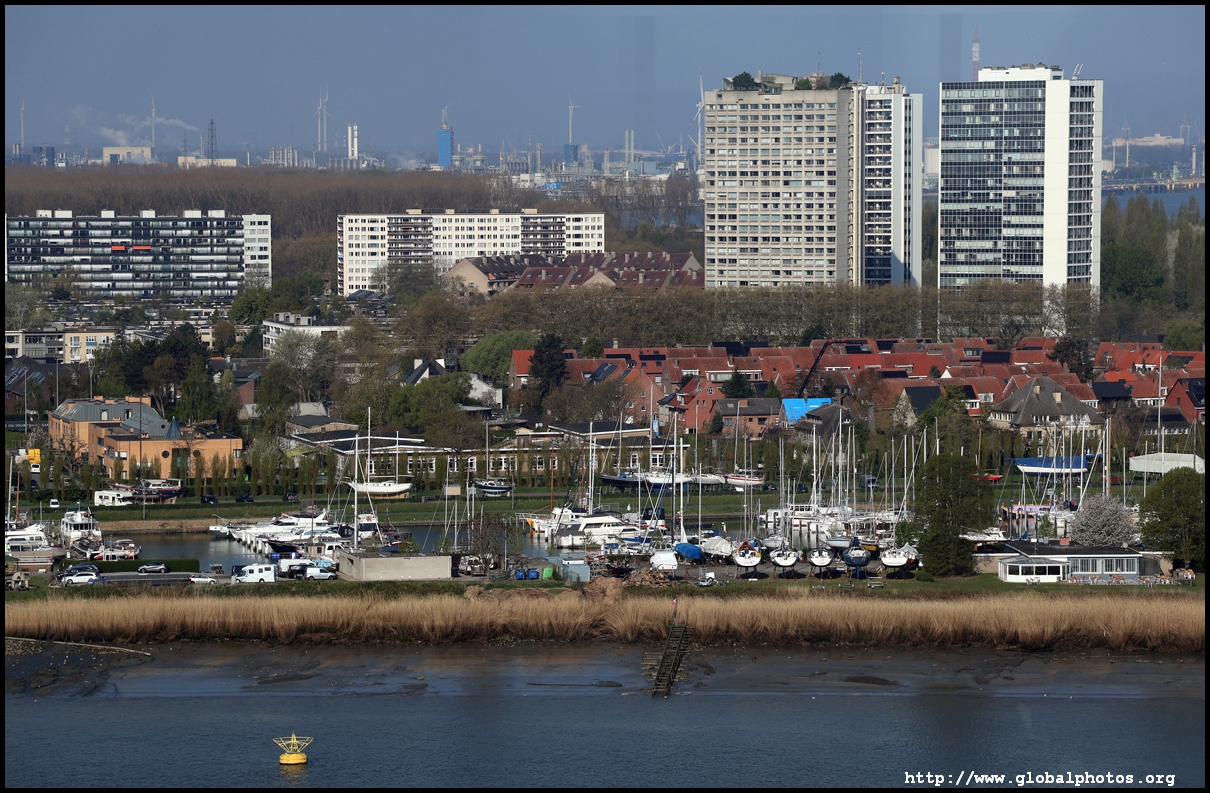
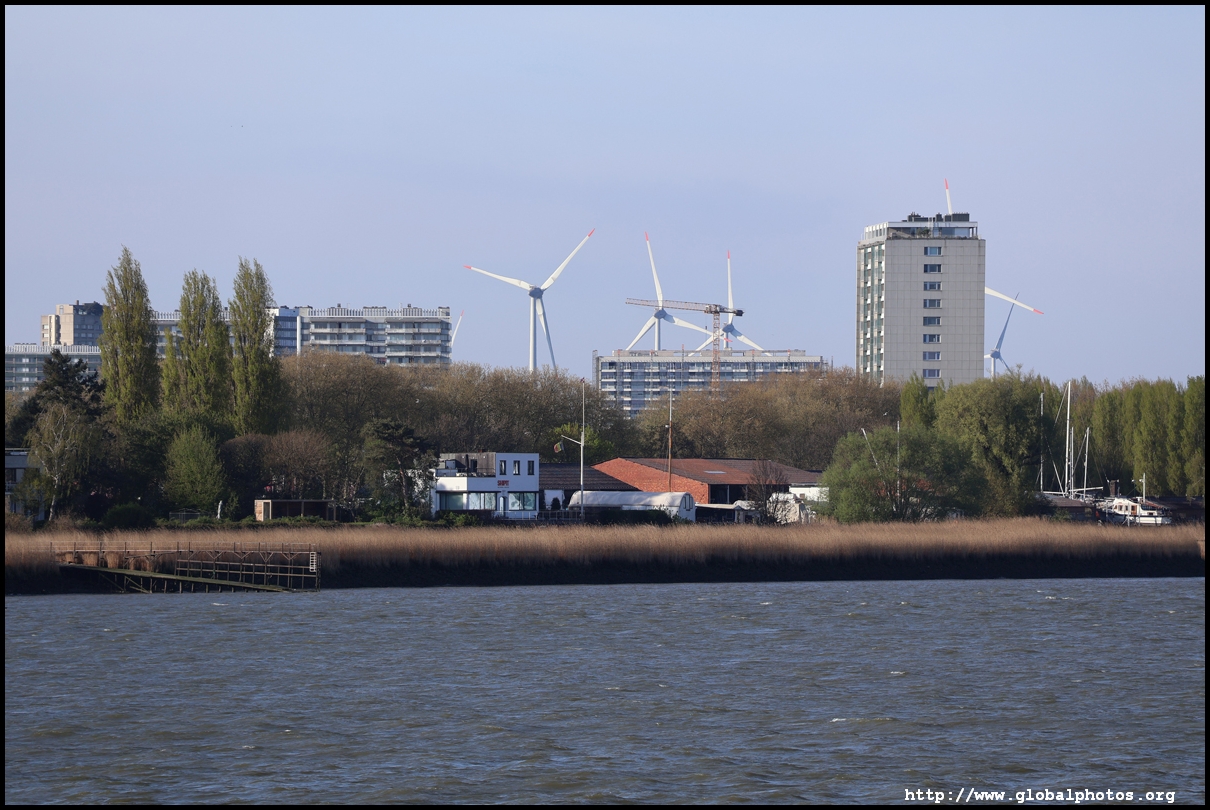
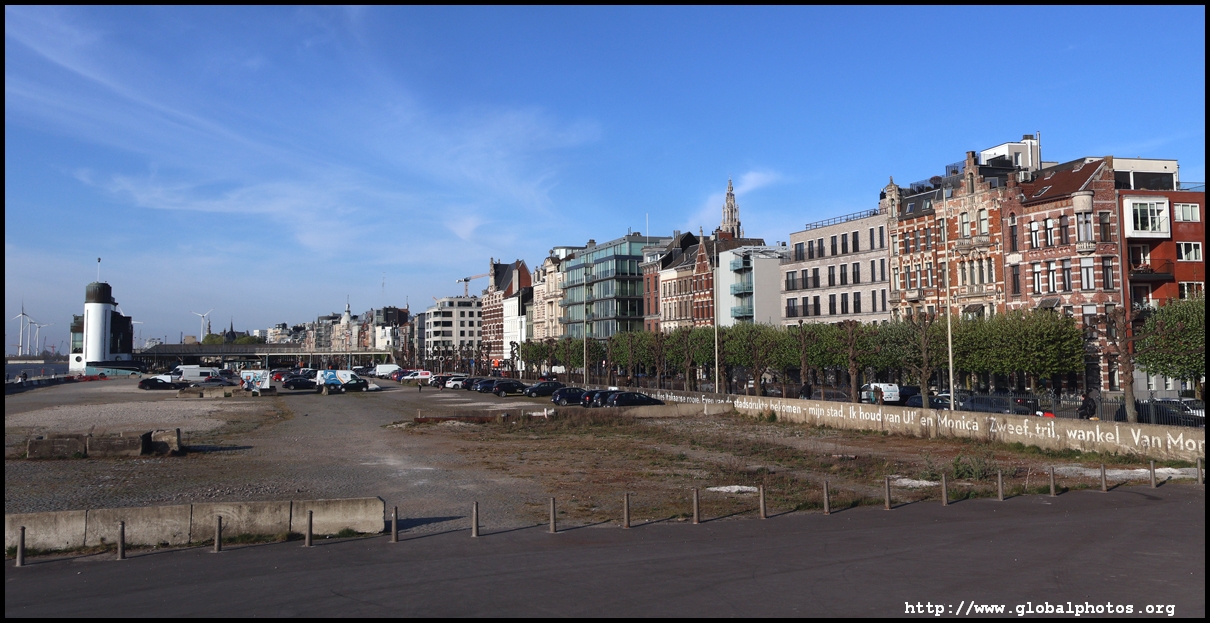
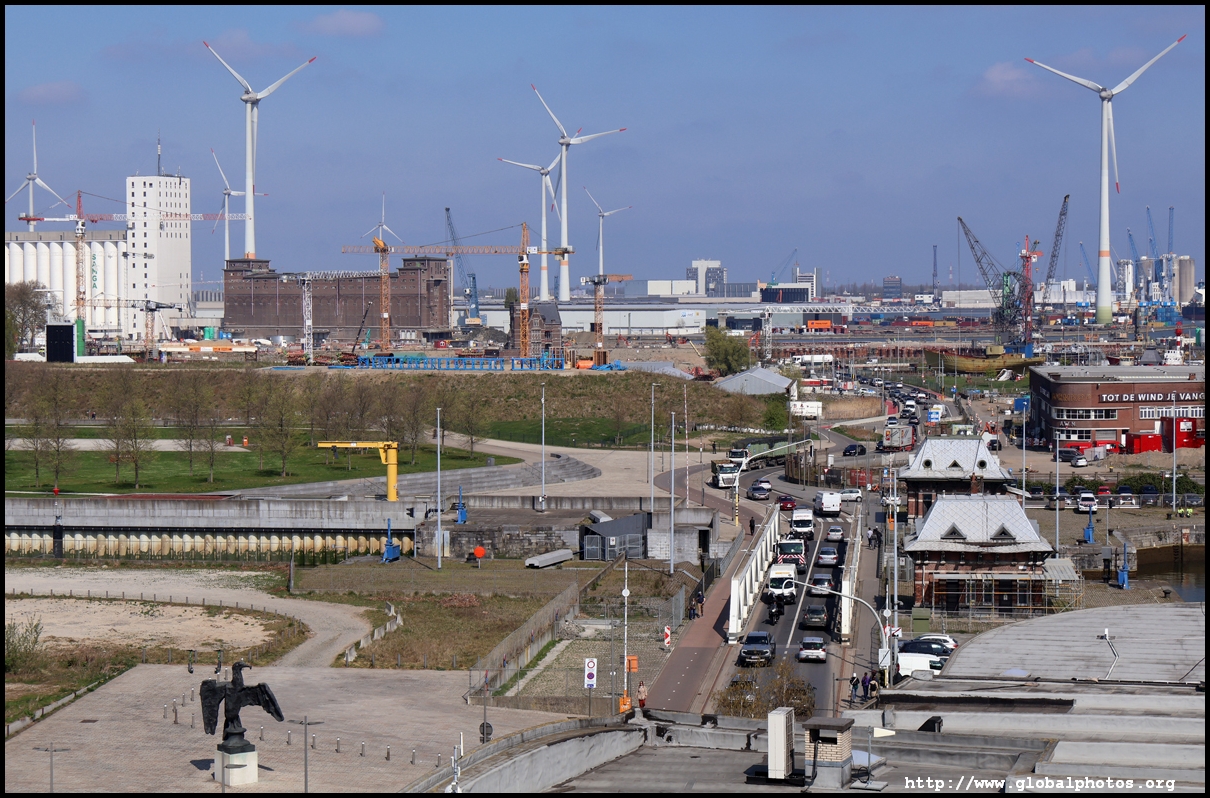
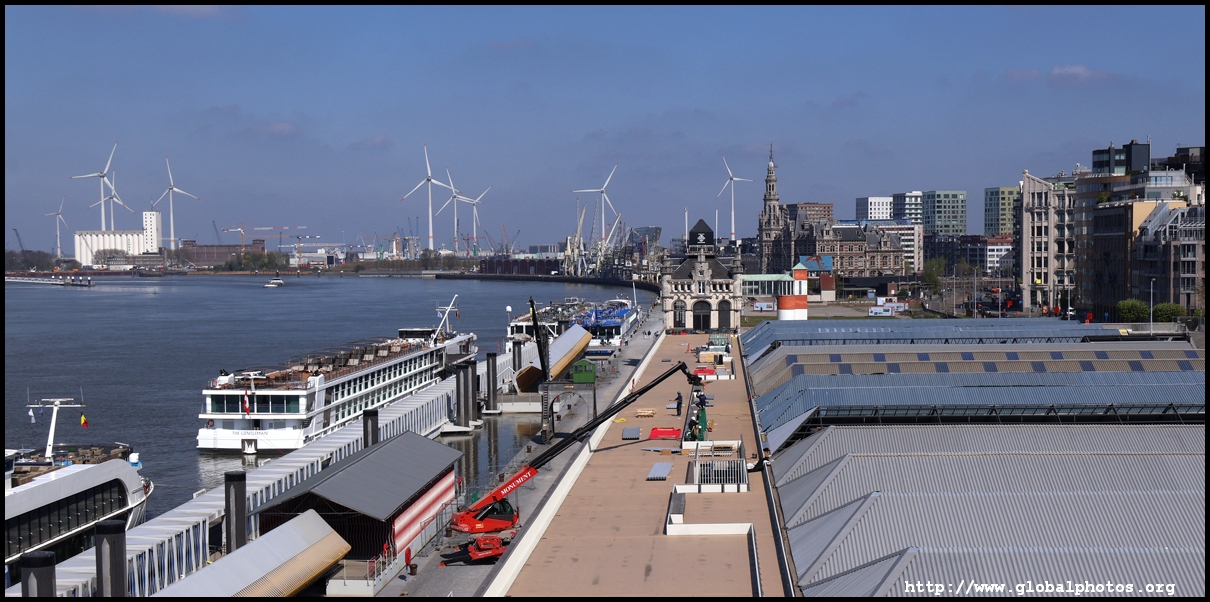
This picture with the big urban windfarm is wild. Don't think I've ever seen that before. 1 or 2, sure, or a big farm out in the sticks, but never a big farm in the city.
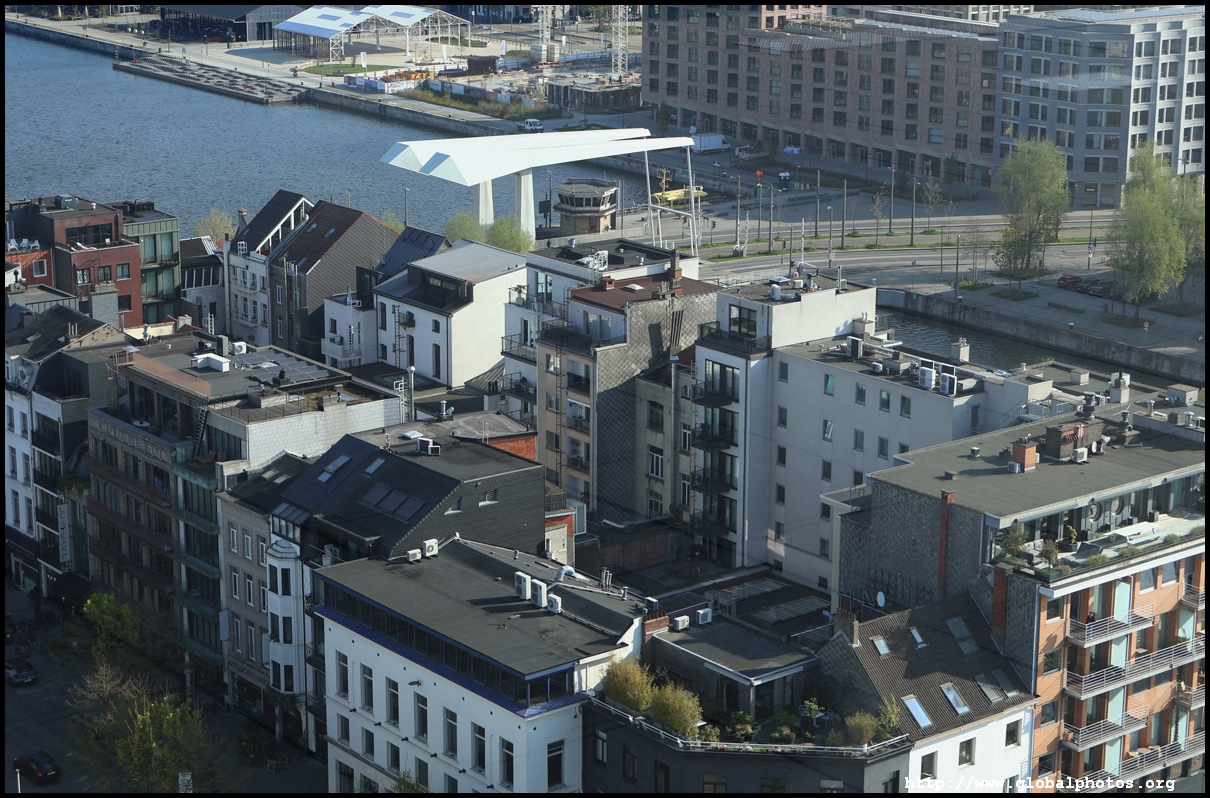
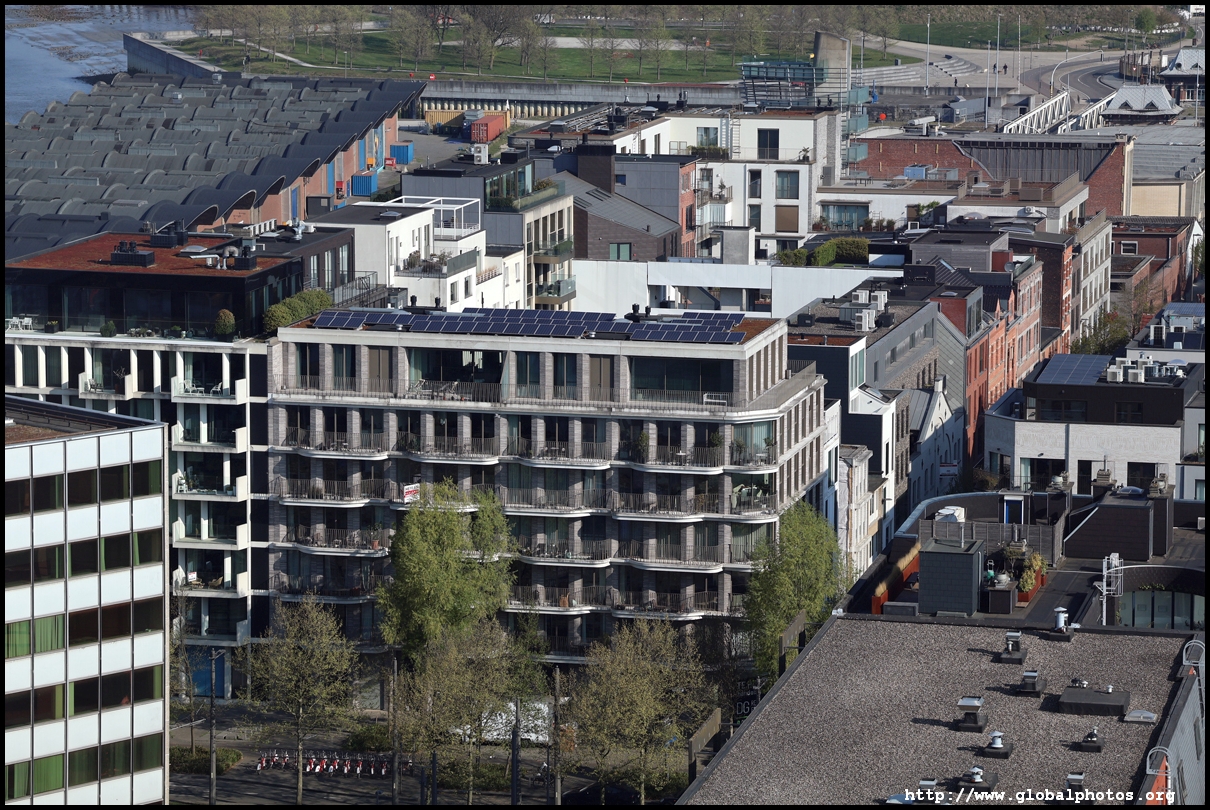
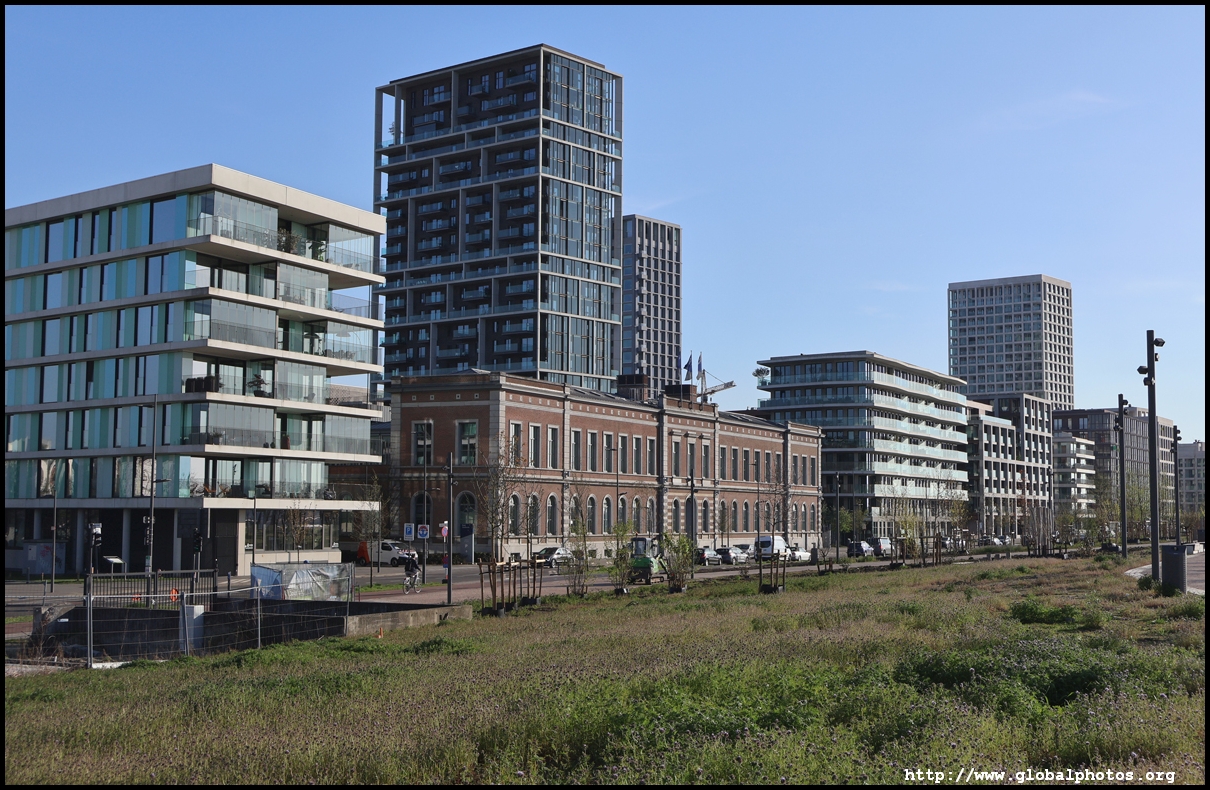
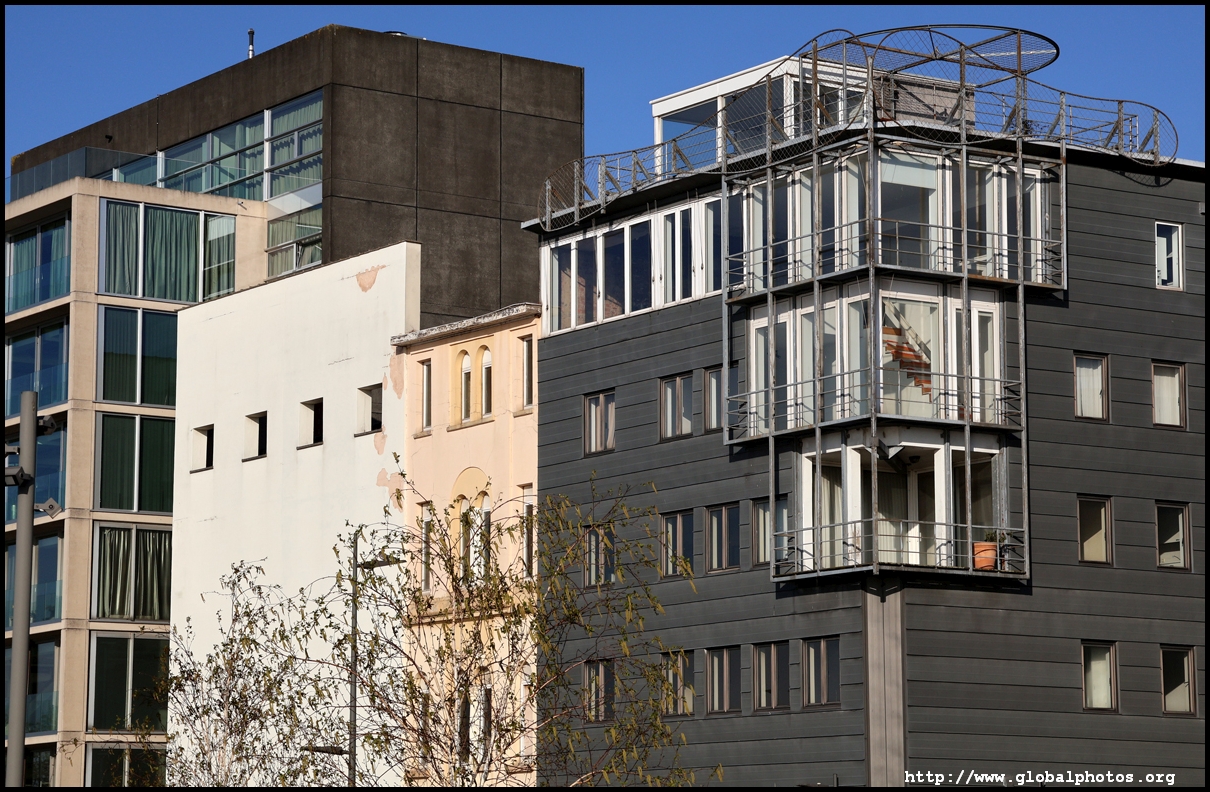
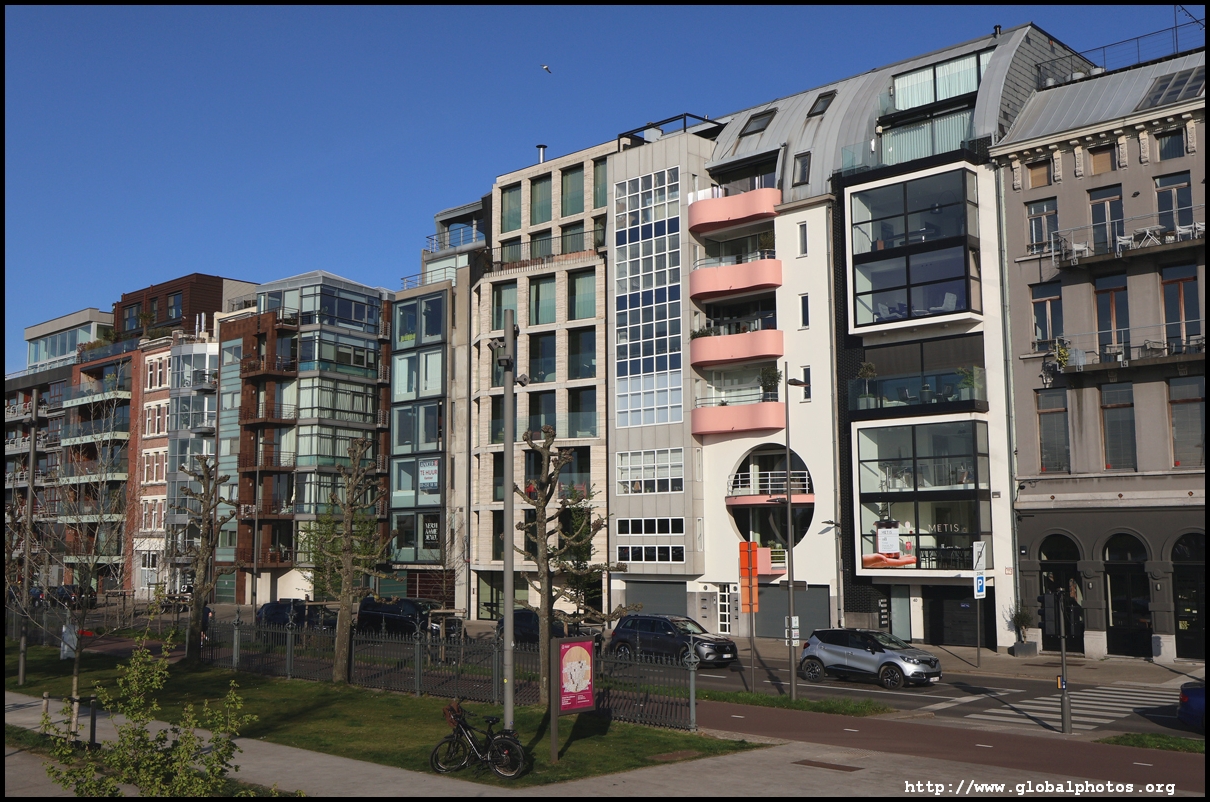
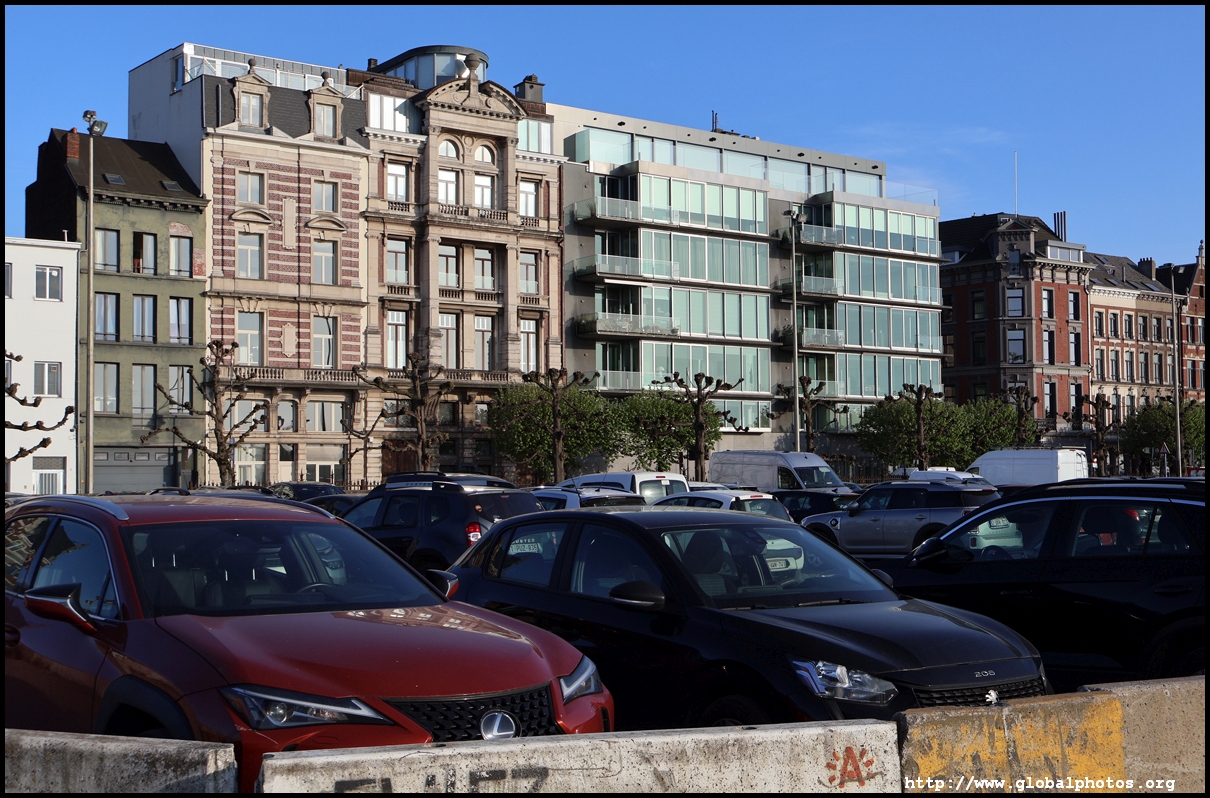
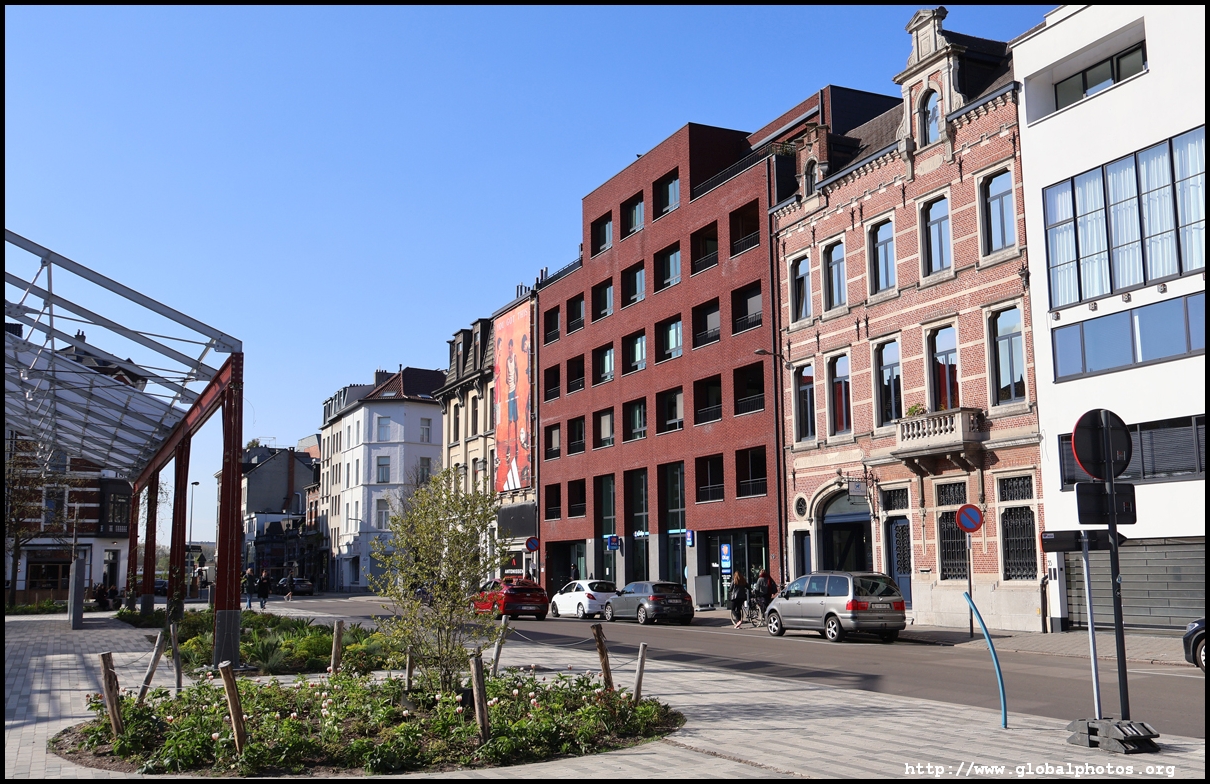
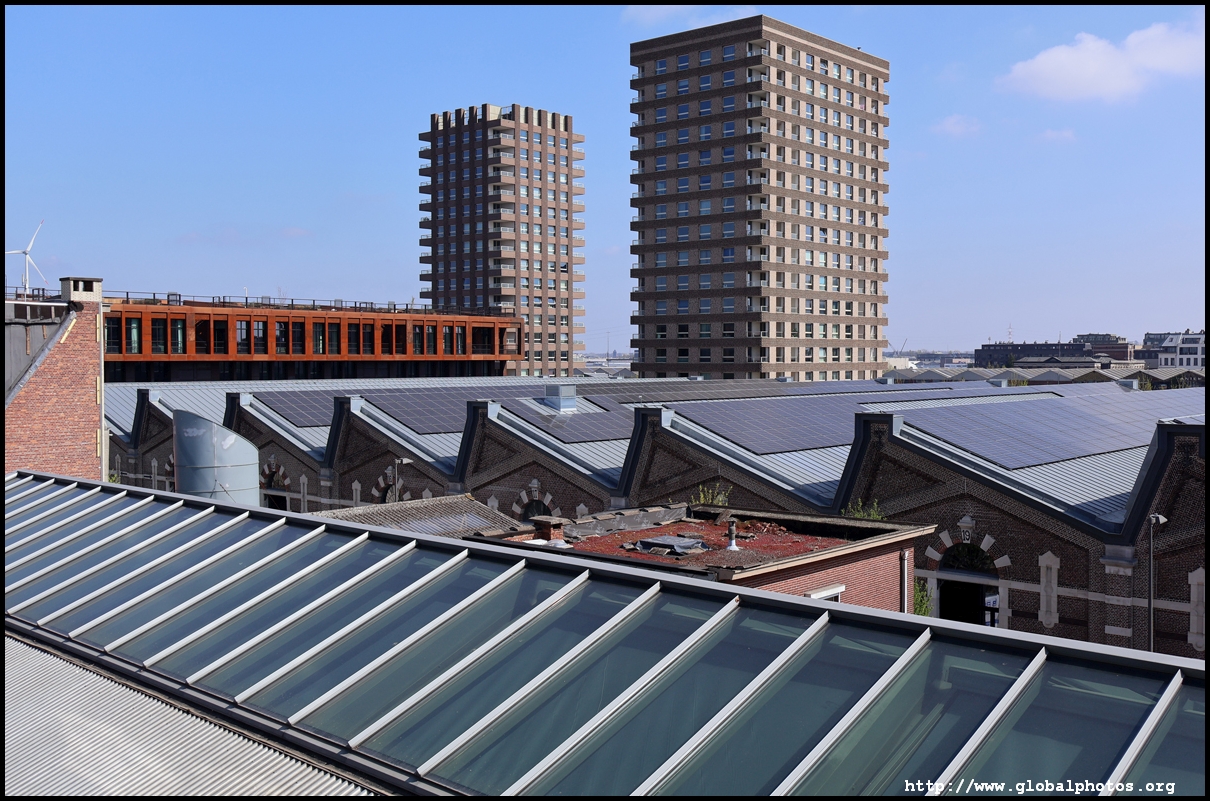
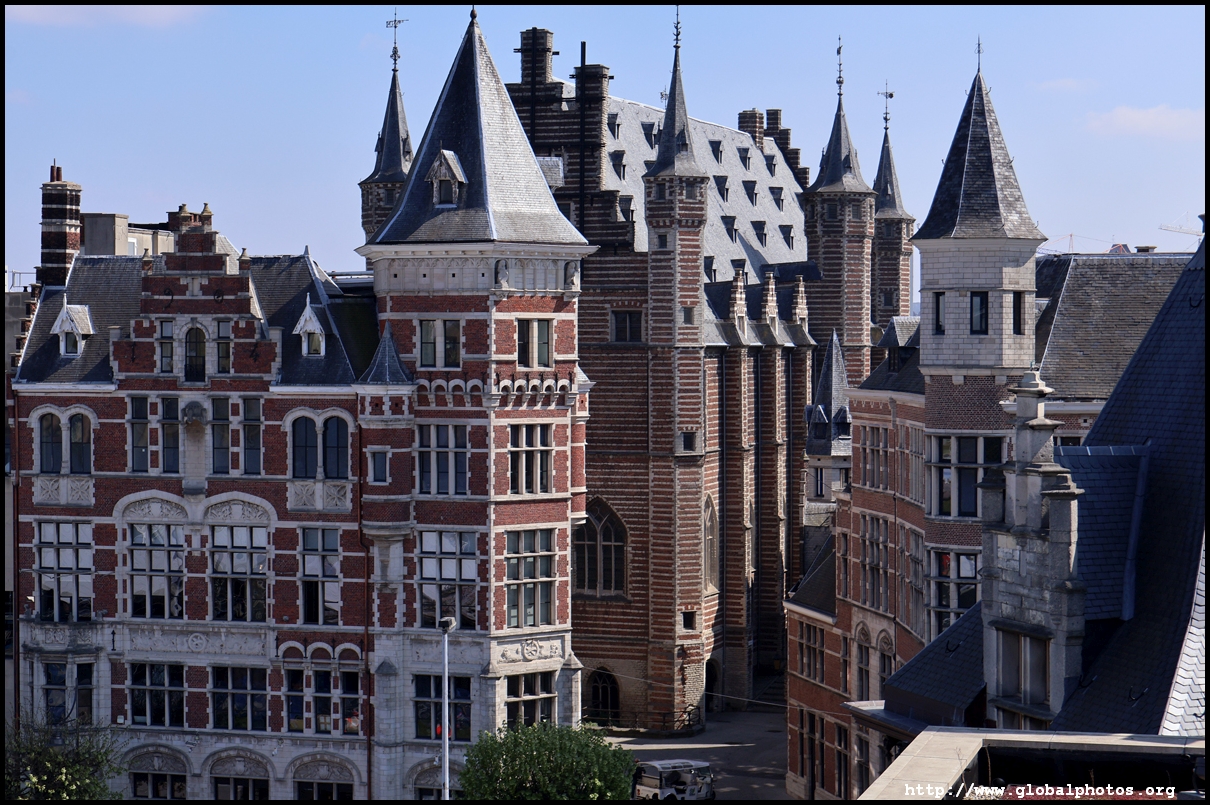
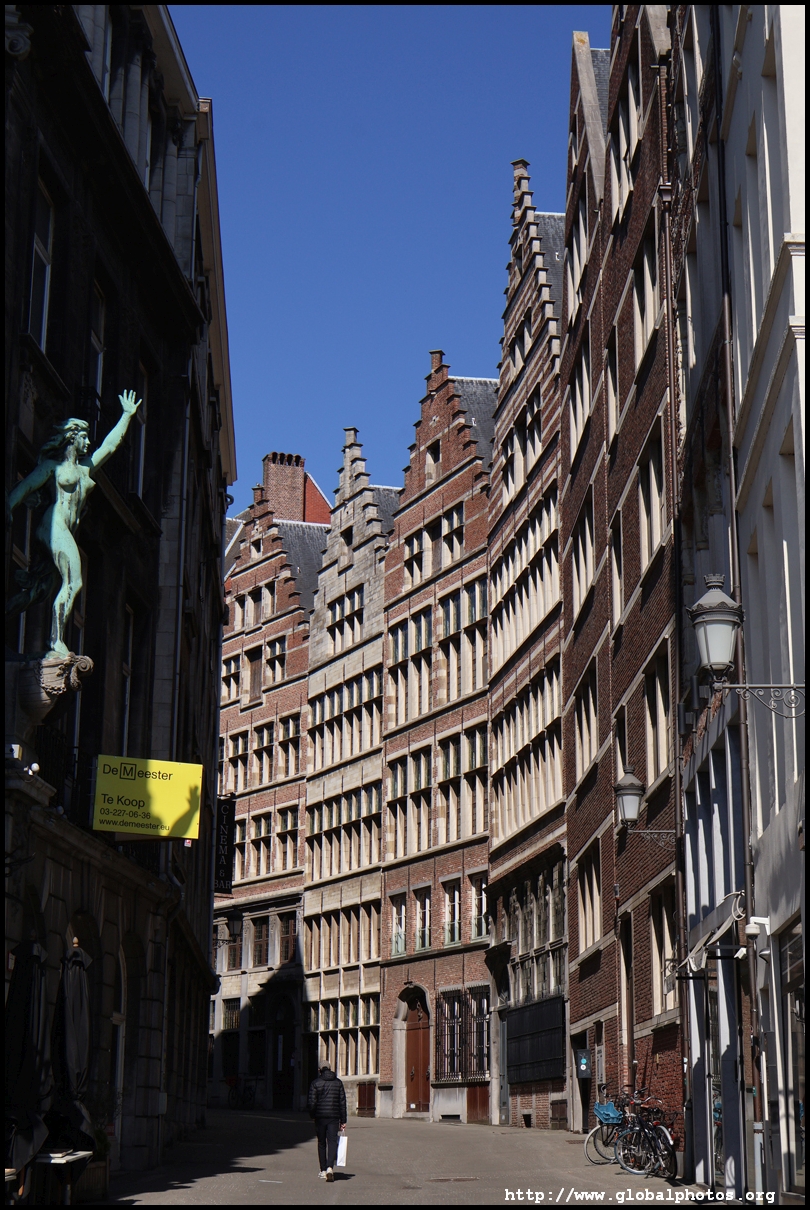
Also love this one with the clearly modern row of narrow lot buildings. Proof we can build that kind of urbanism today. Great stuff. Wish we had more examples like that.
This picture with the big urban windfarm is wild. Don't think I've ever seen that before. 1 or 2, sure, or a big farm out in the sticks, but never a big farm in the city.
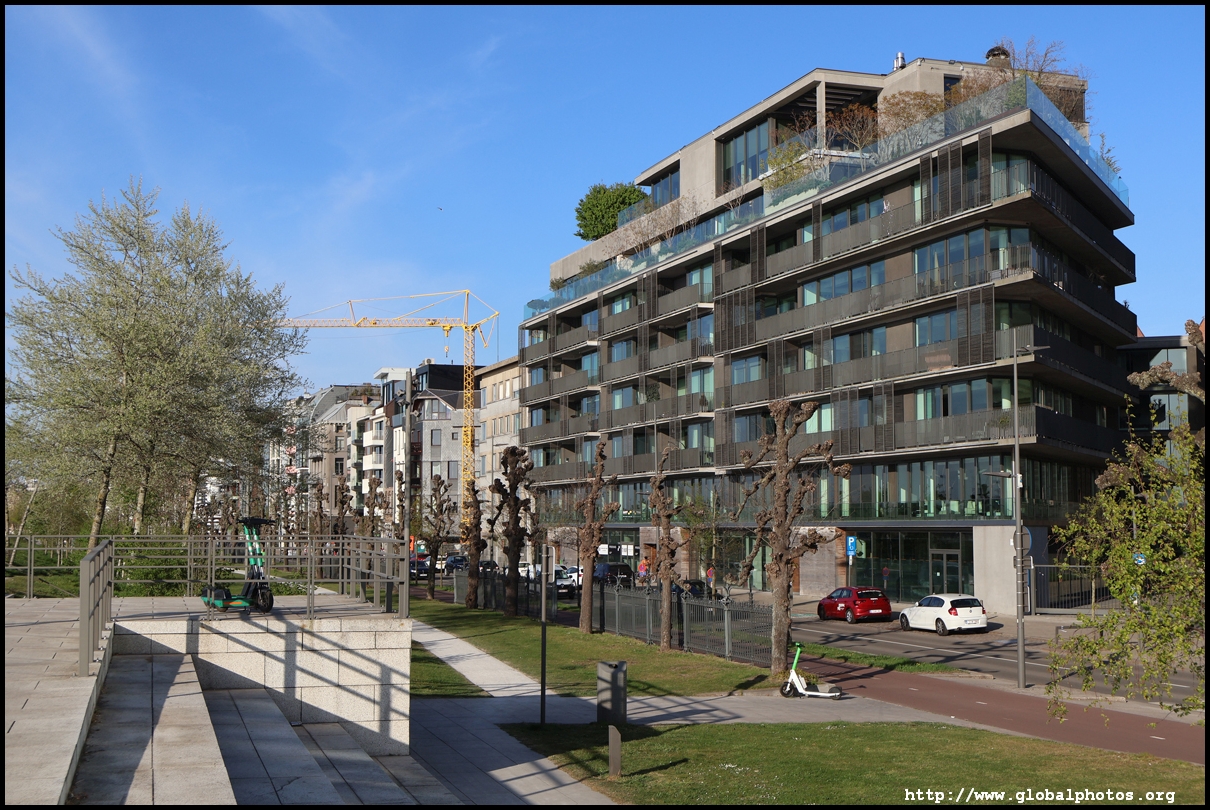
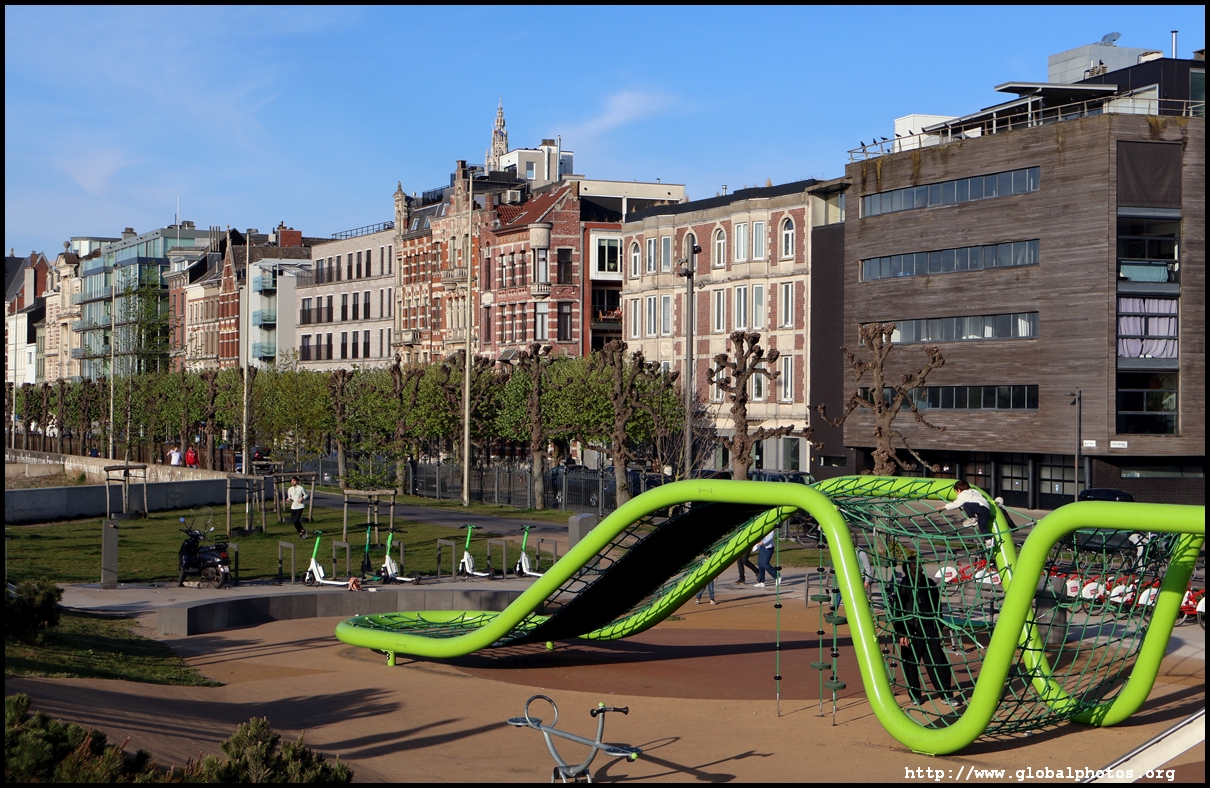
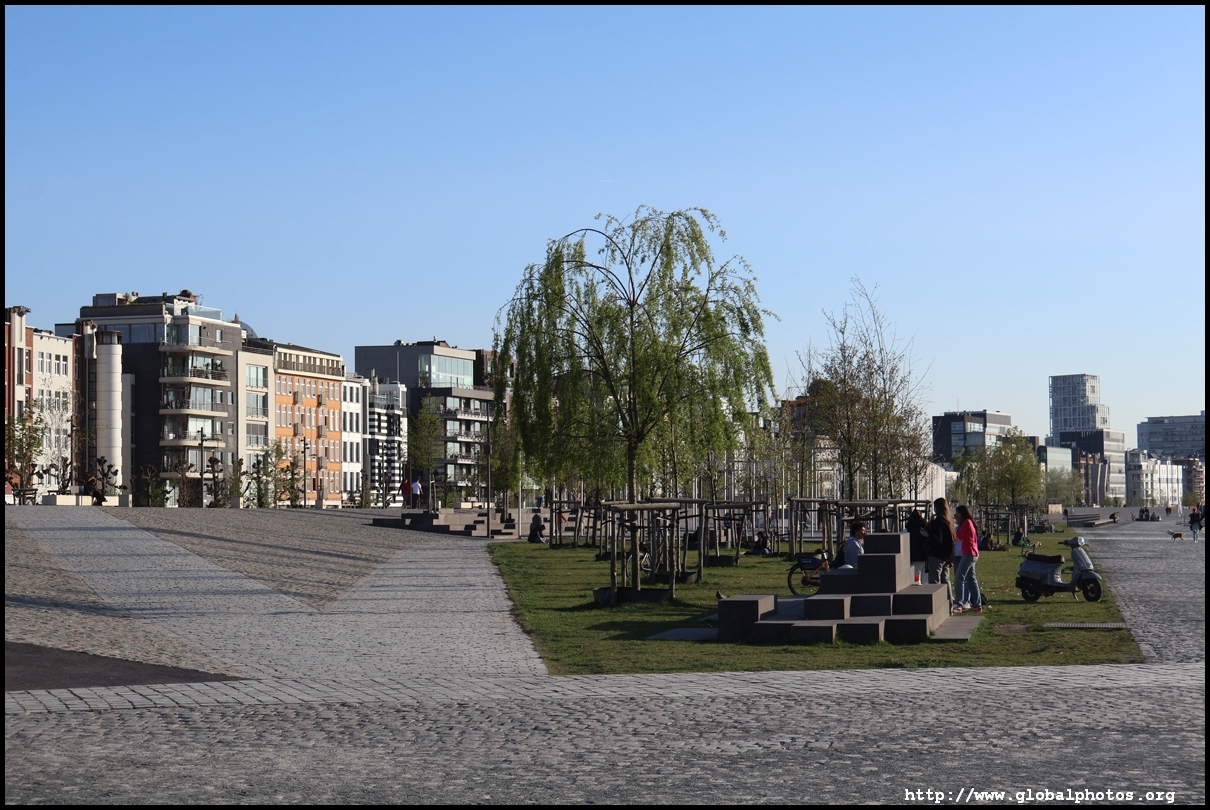
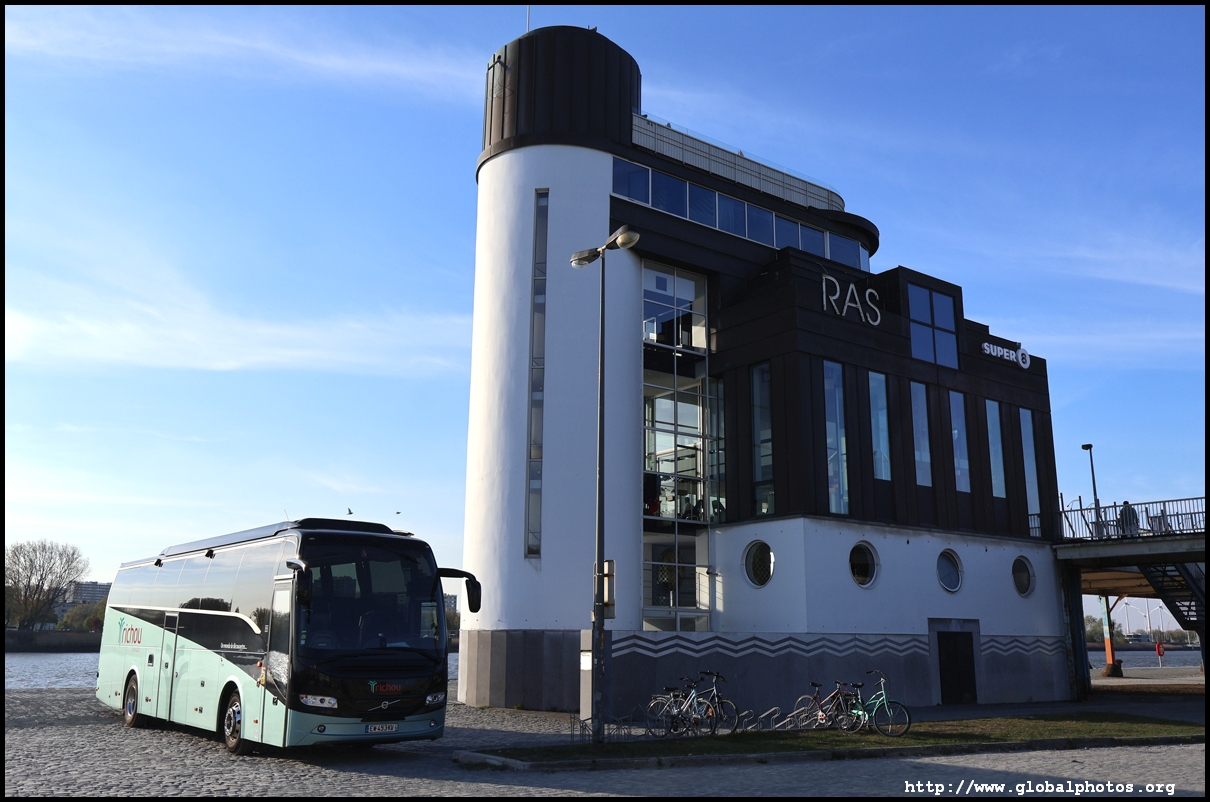
This whole area in front of the windmills is a huge regeneration zone of the former port. Eilandje is now a cool neighbourhood although the port is still around and Antwerp competes with Rotterdam to be #1 in Europe in terms of volume. It's a nice area to walk around although a bit quiet and soulless because it is mostly residential, but there are 2 really good museums in the area, which was why I visited.
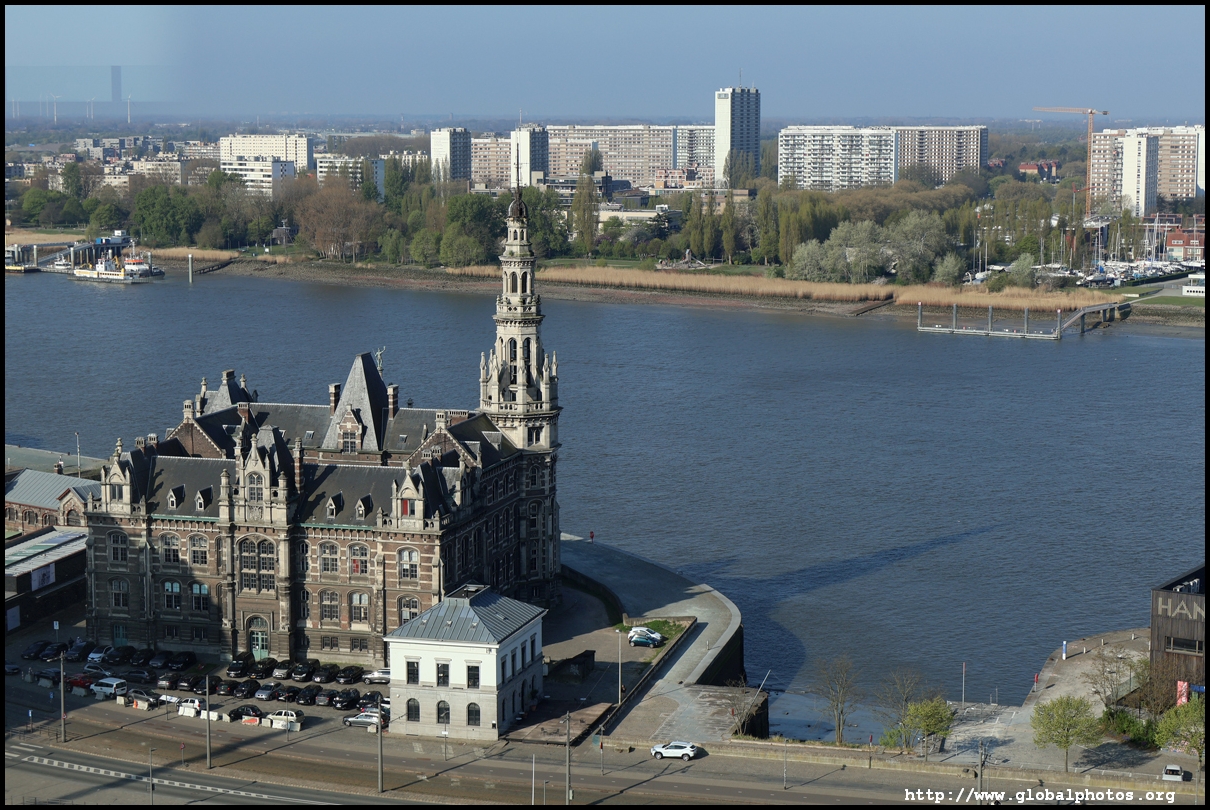
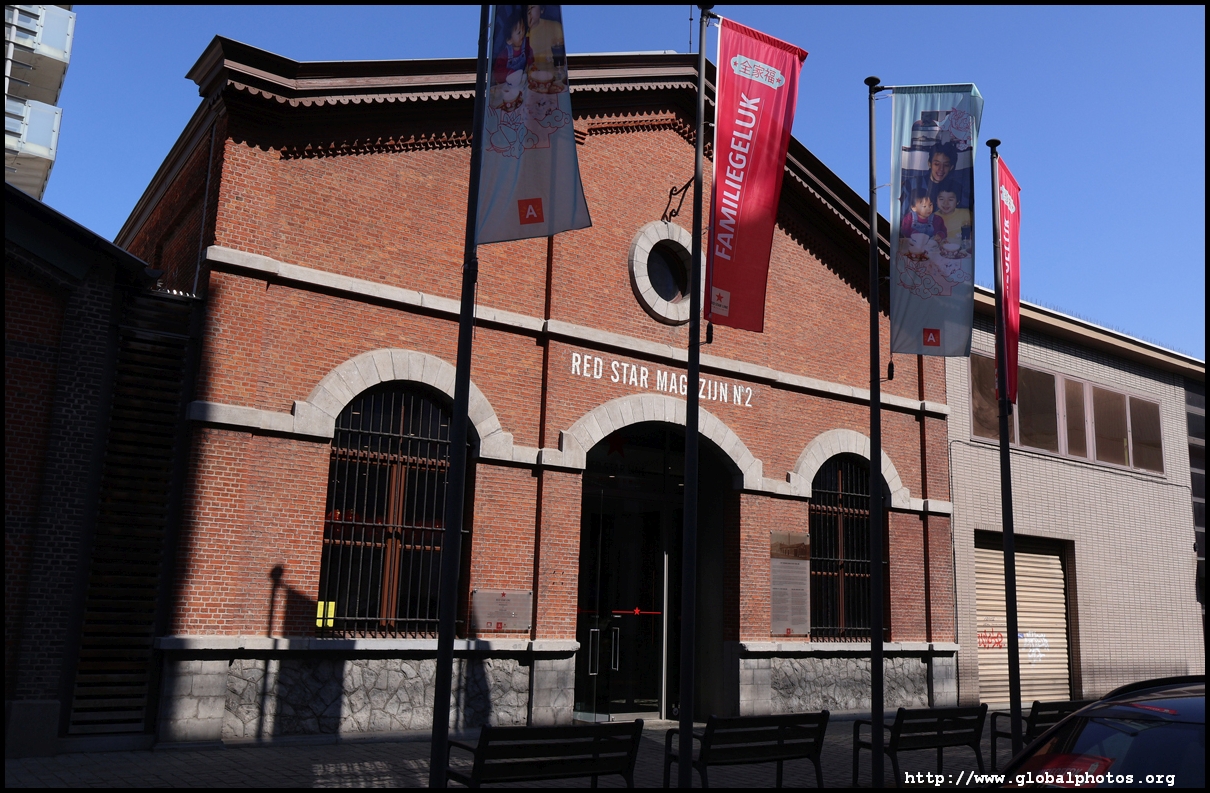
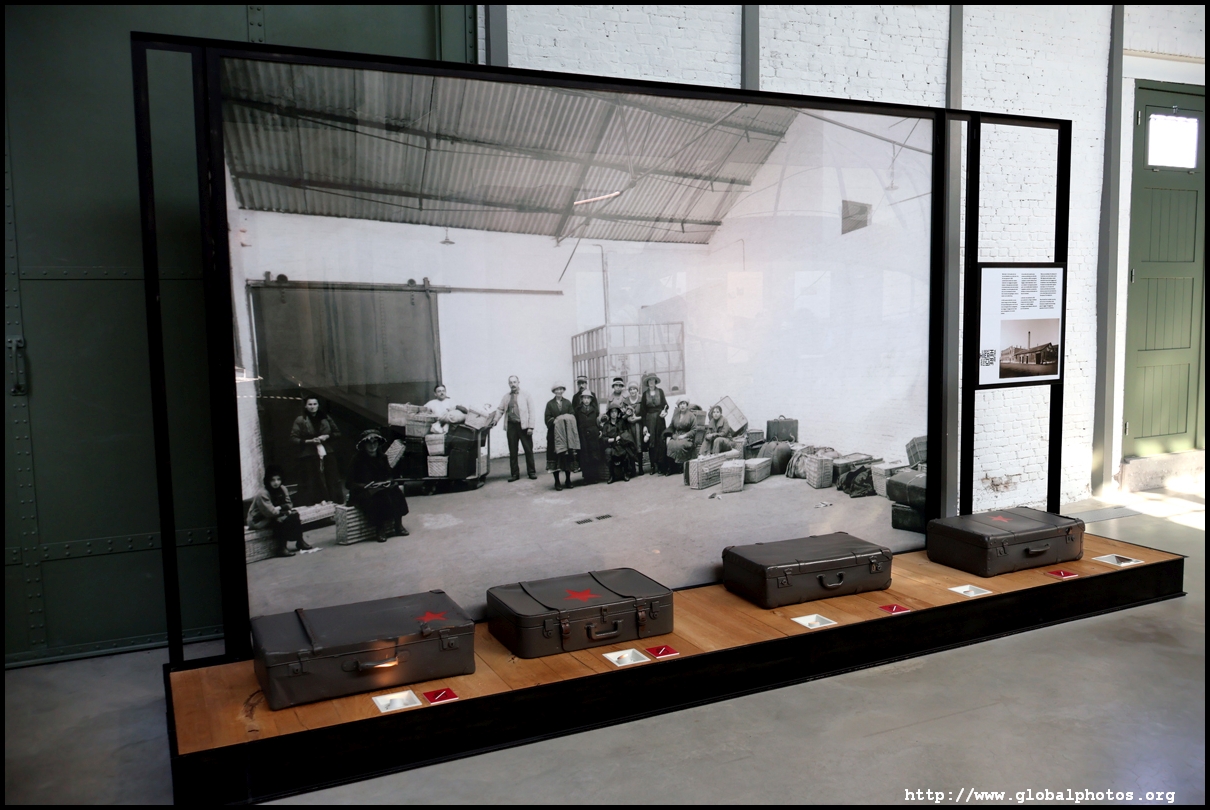
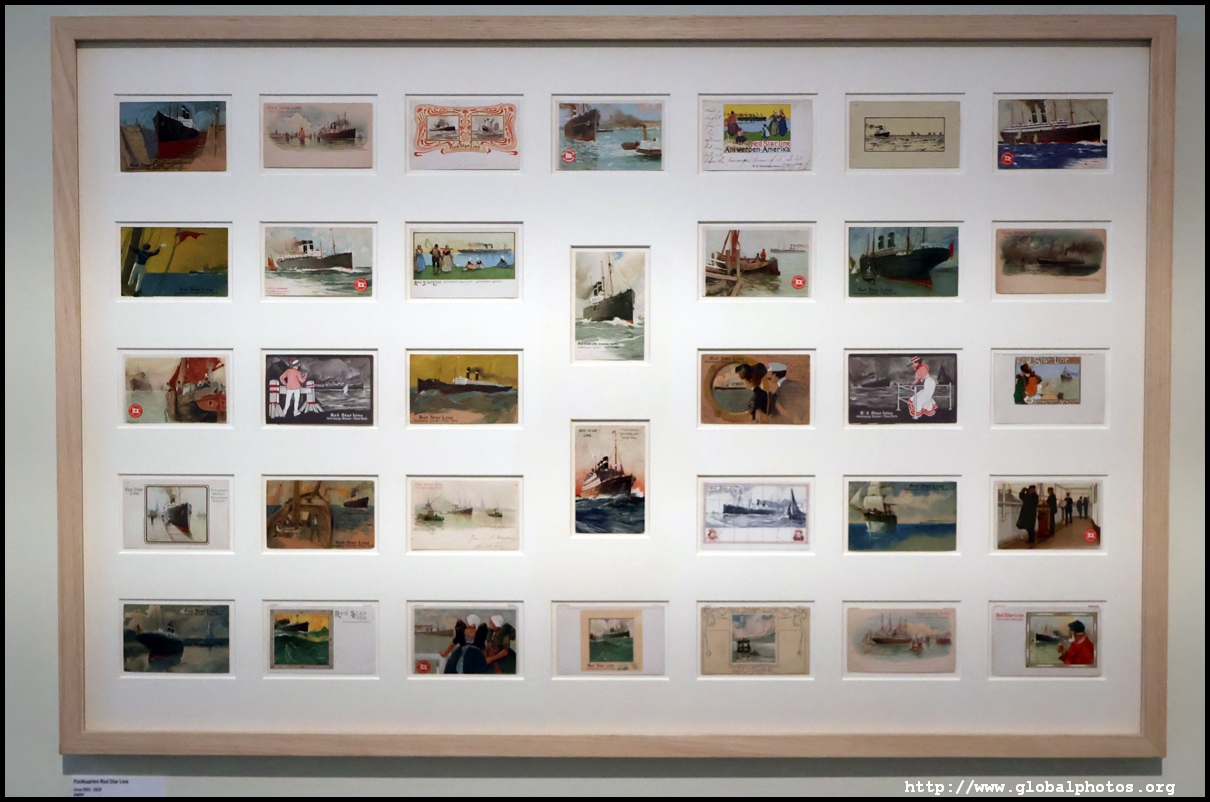
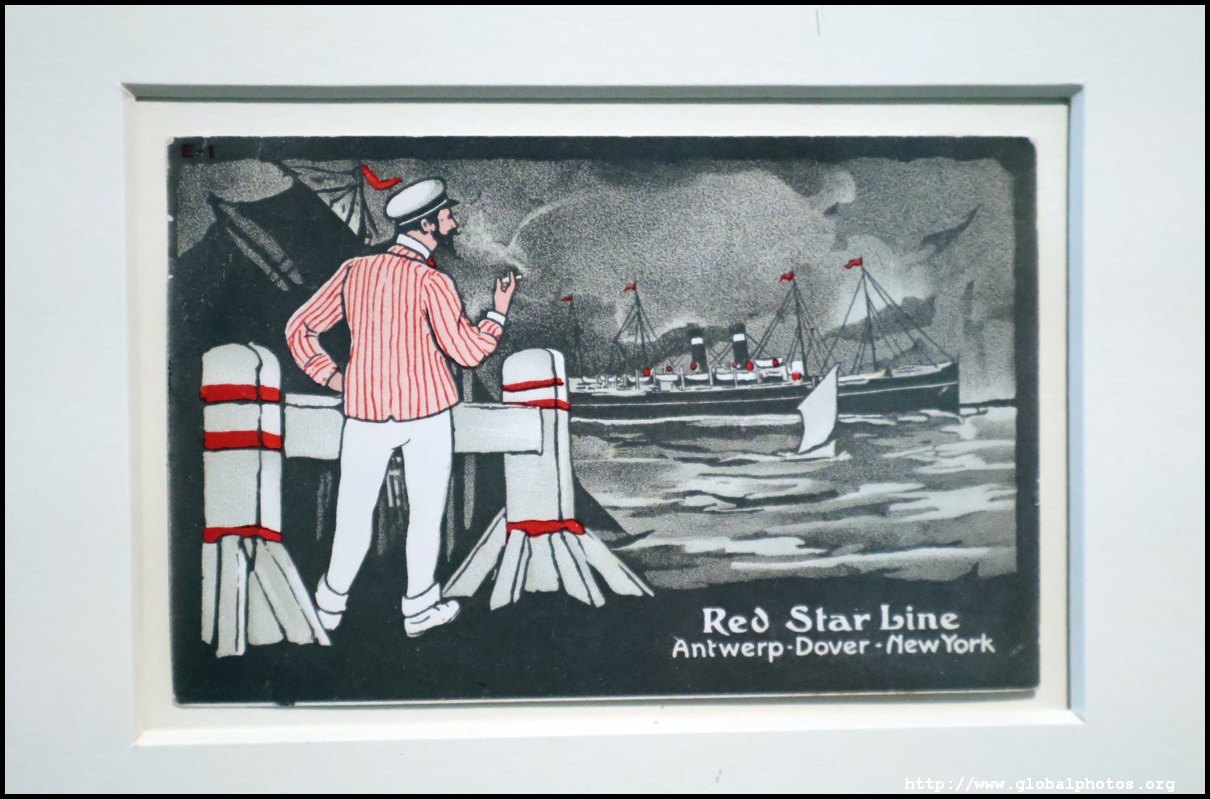
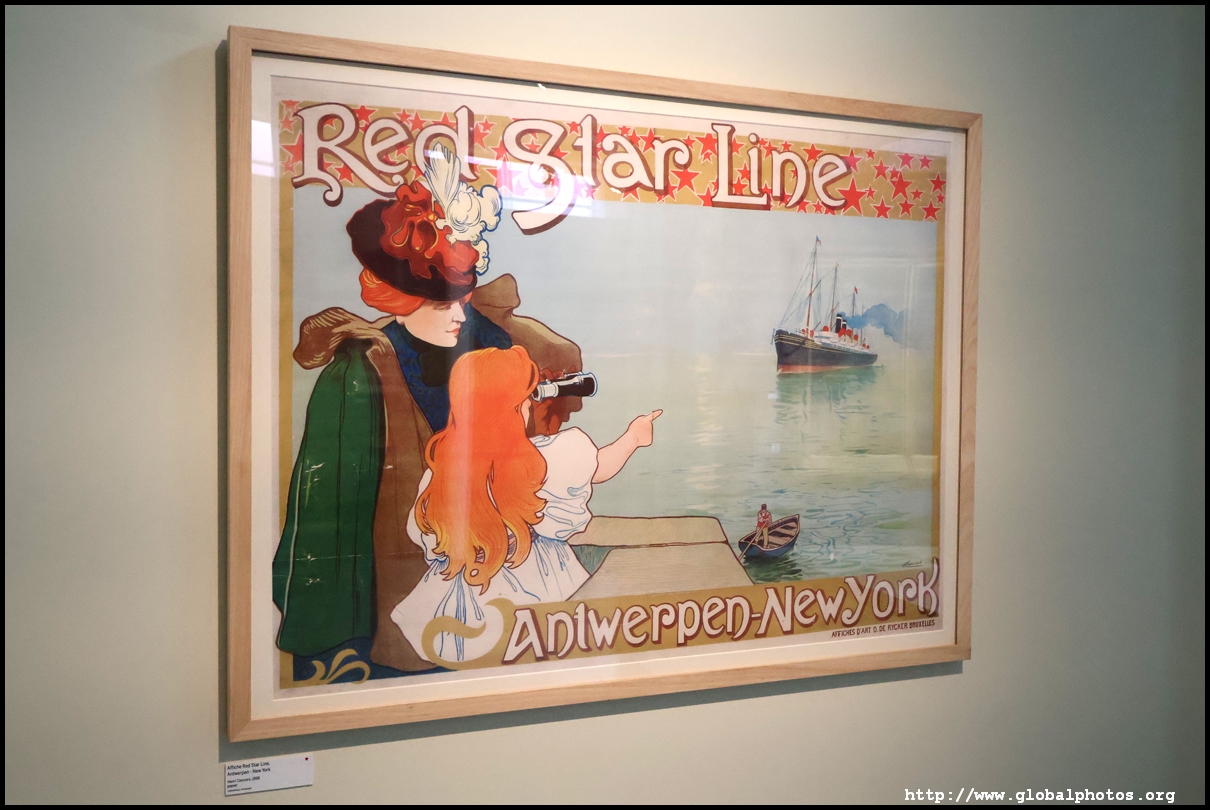
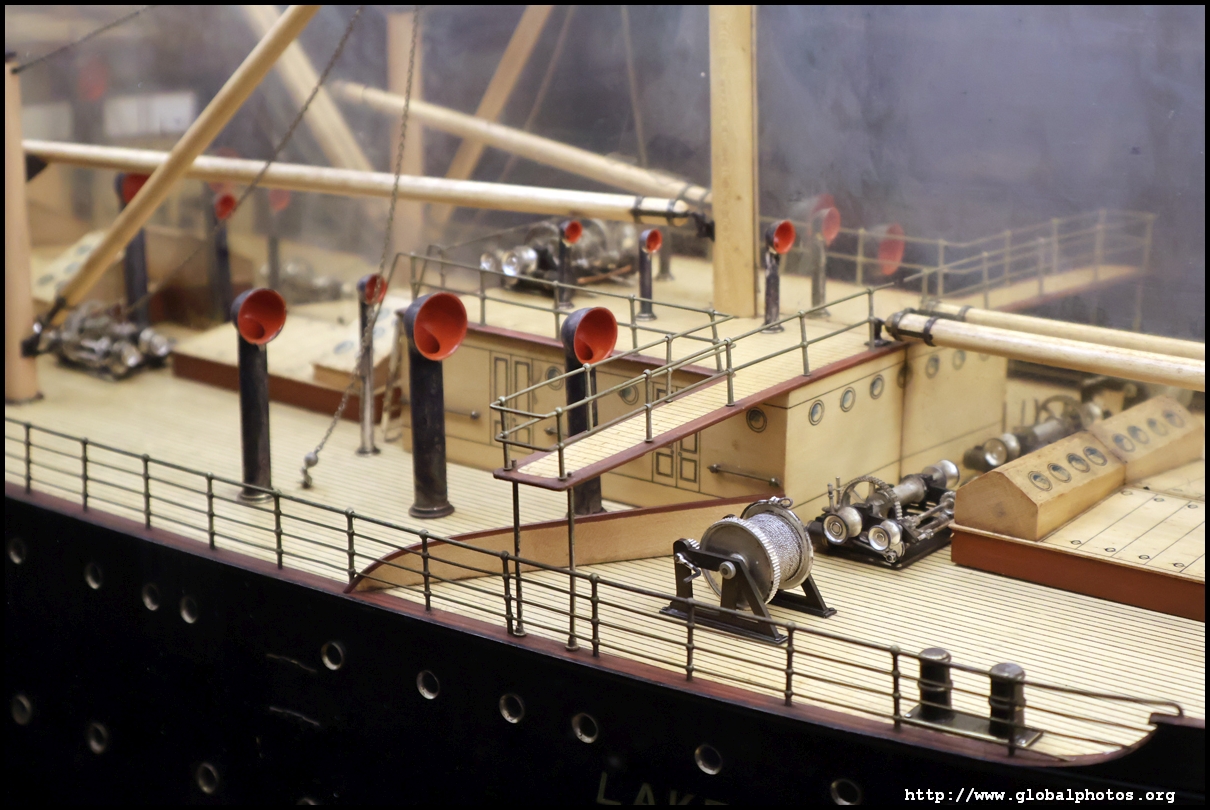
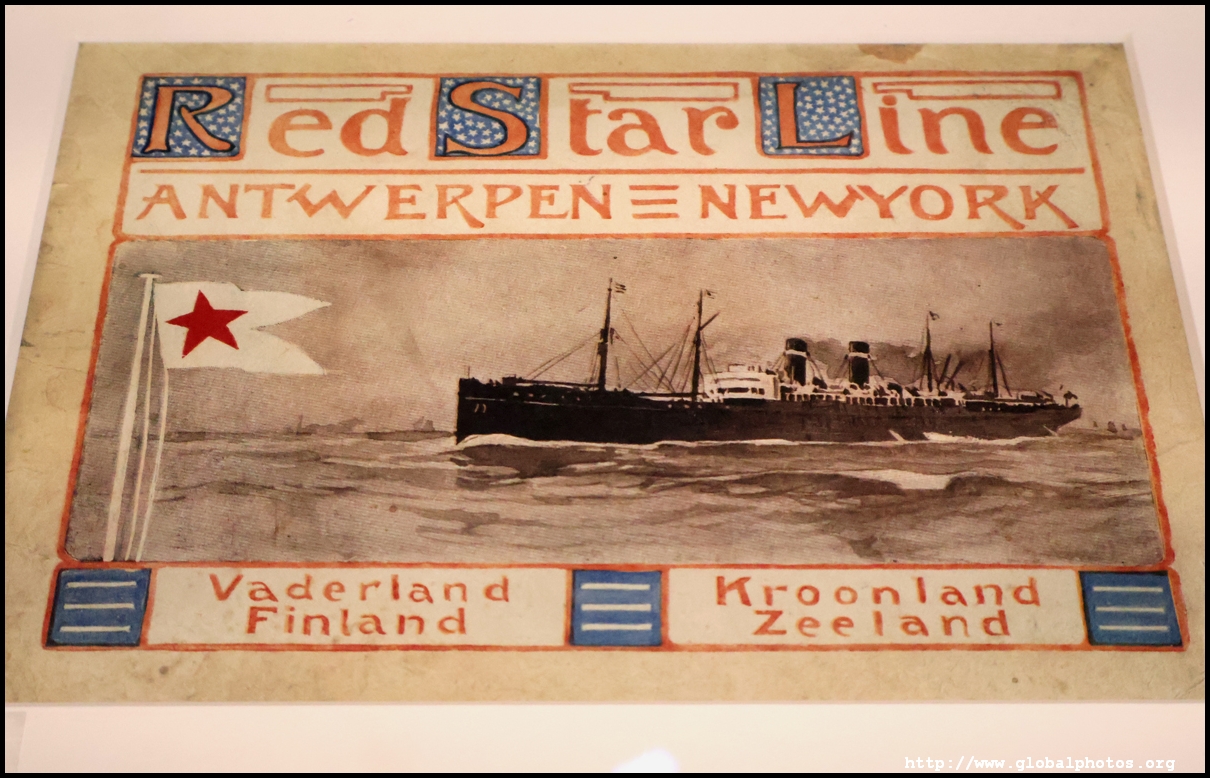
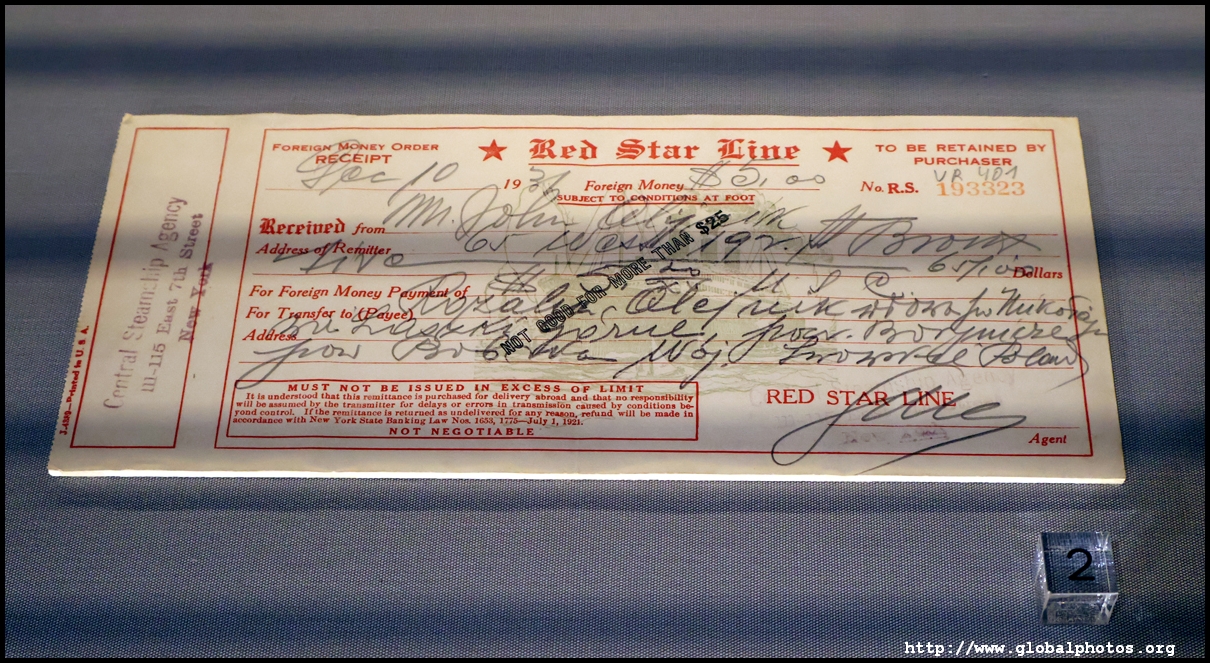
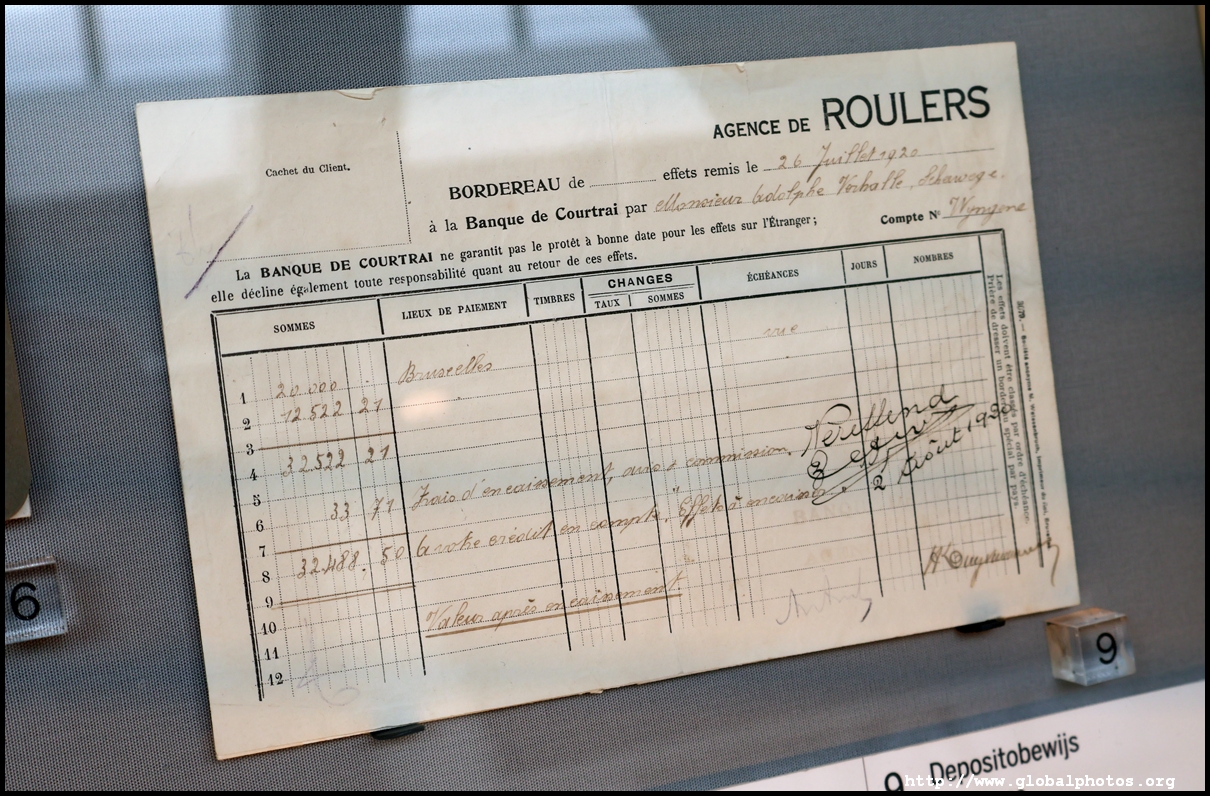
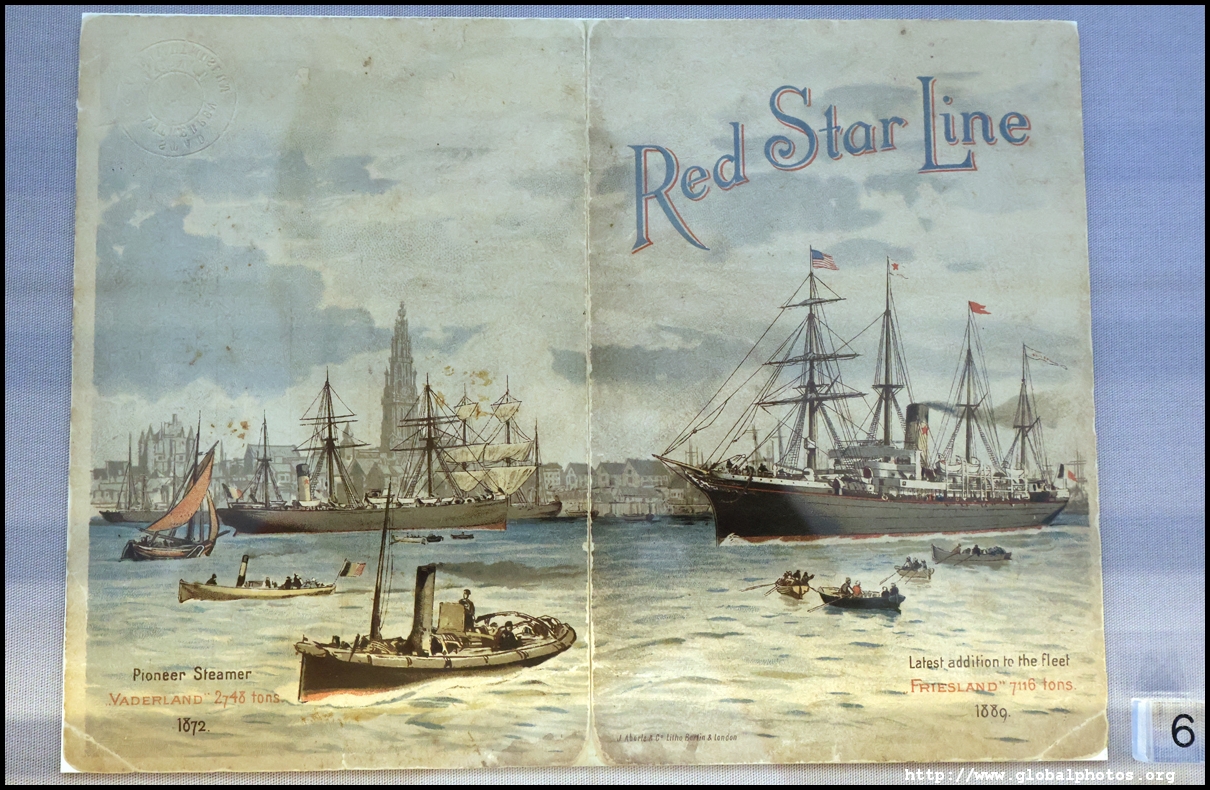
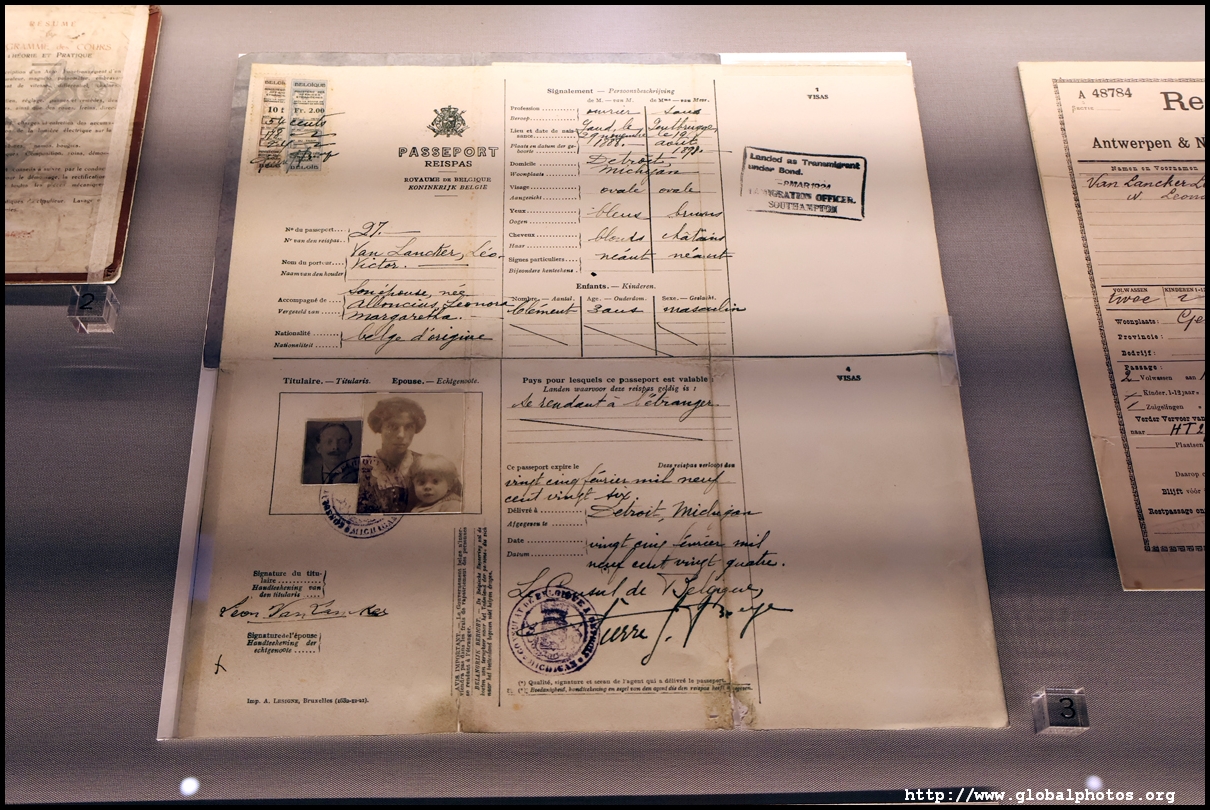
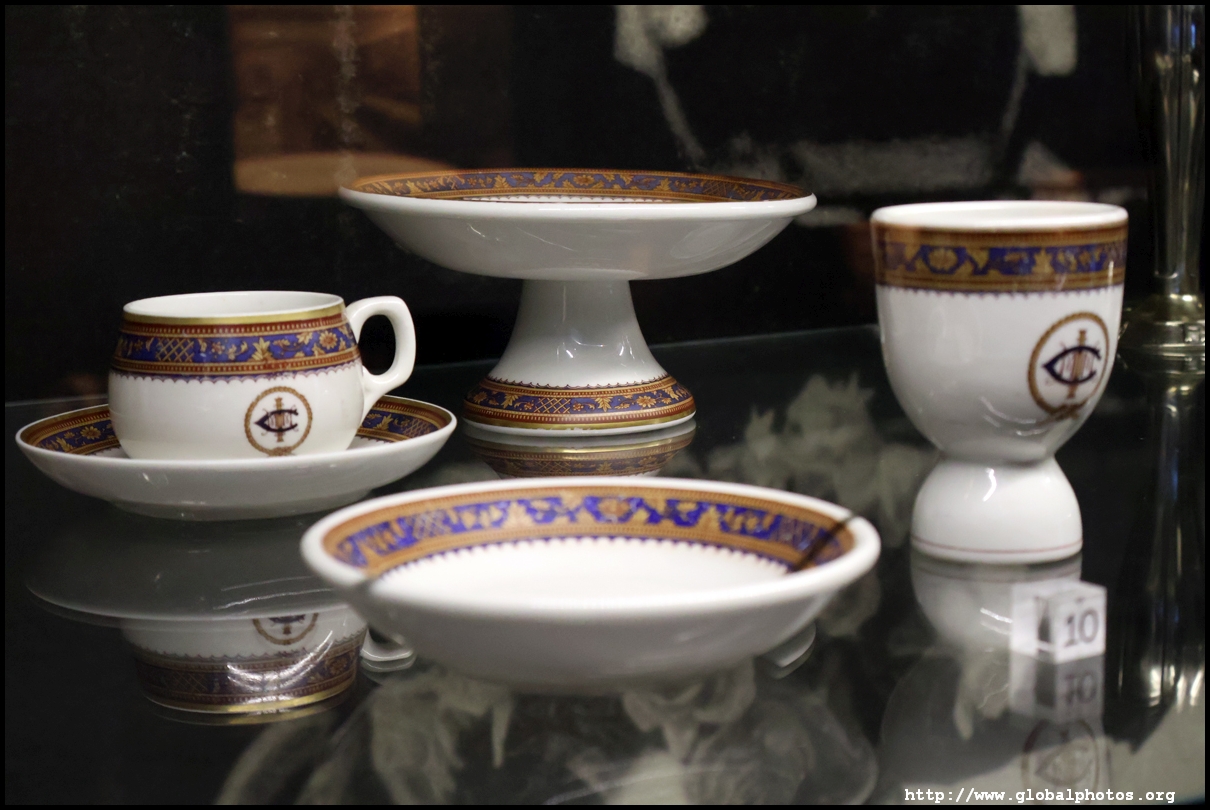
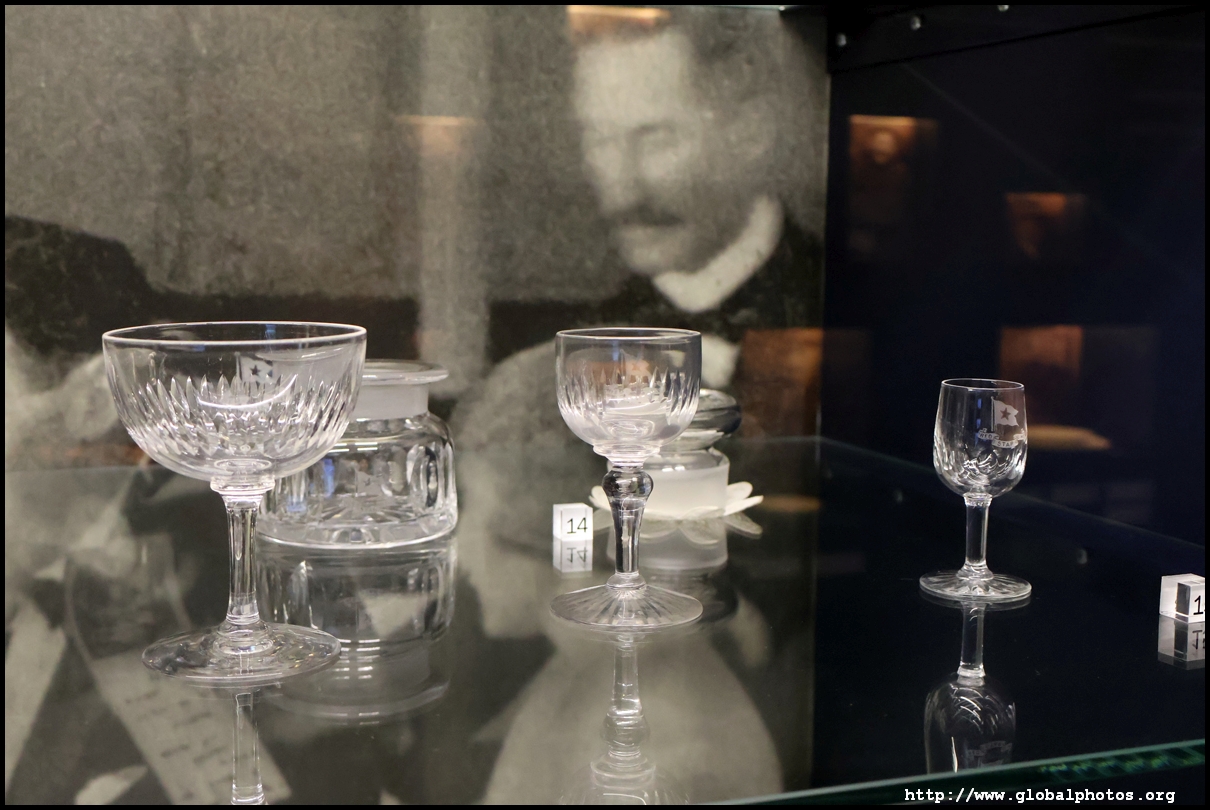
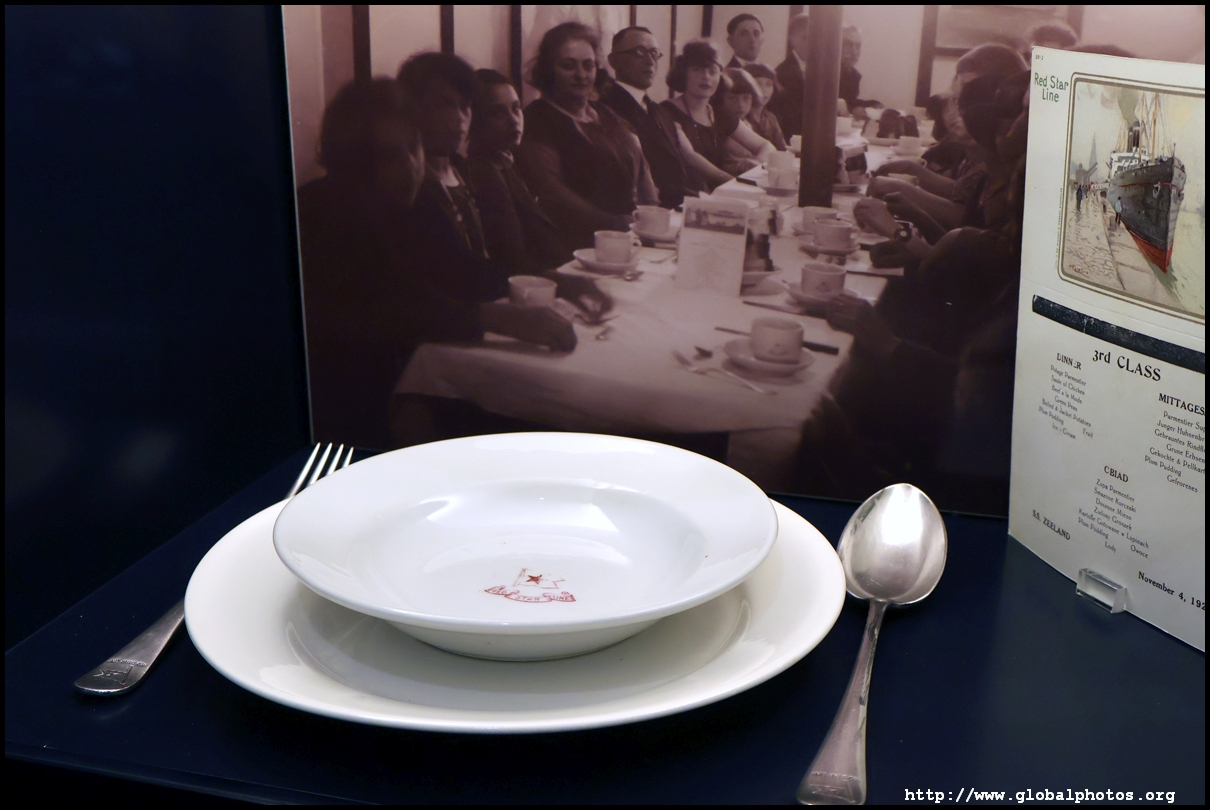
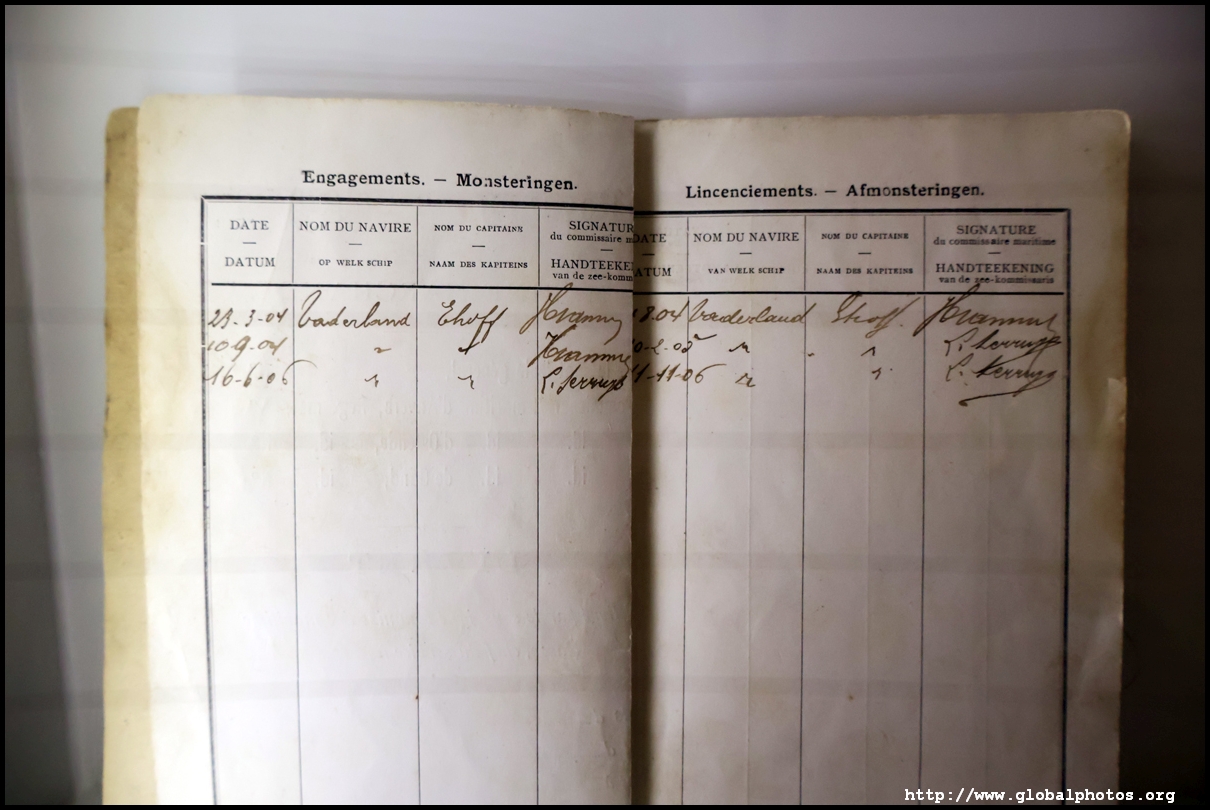
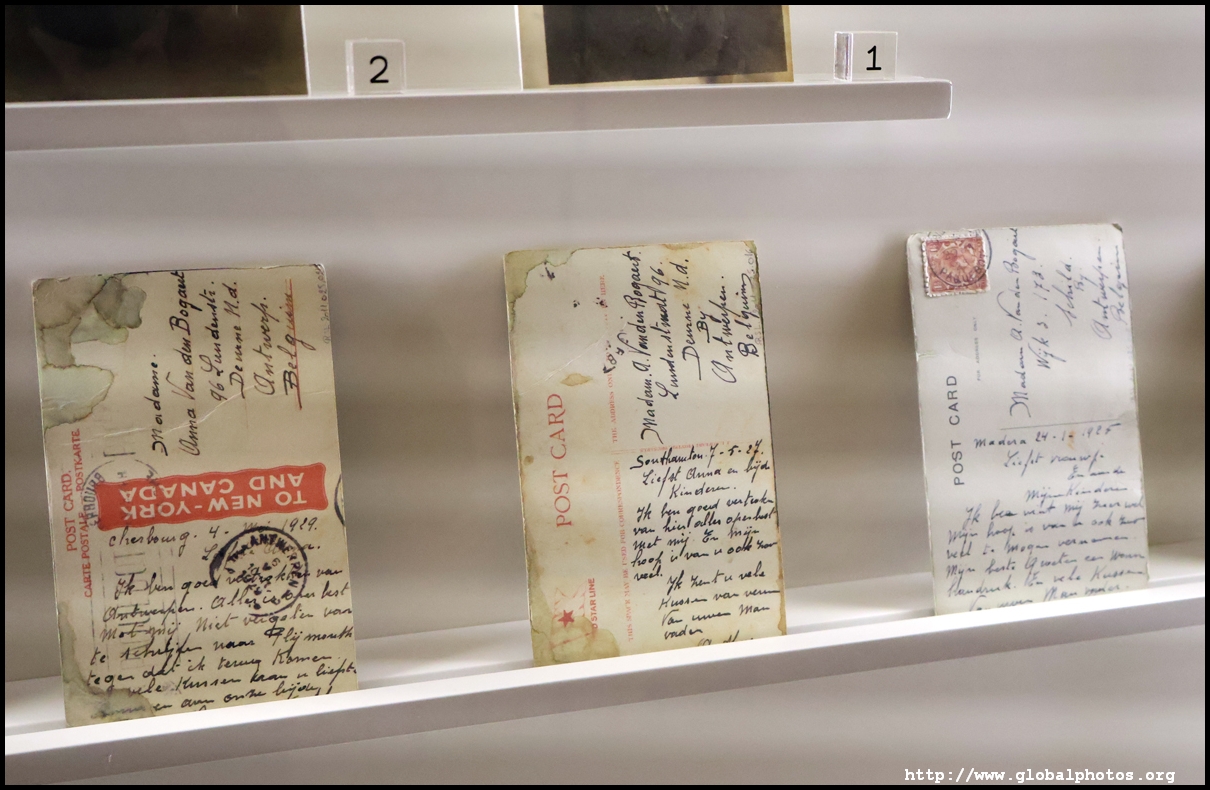
Sitting on Red Star Line's historic premises, a museum now showcases the company's history and how it transported 2 million Europeans longing for a better life in the Americas.
The company was founded in 1872 with a business model of transporting cargo from the US to Europe and passengers on the return voyage. It was backed by the Pennsylvania Railroad Company, who saw the shipping industry as an extension of their railway network.
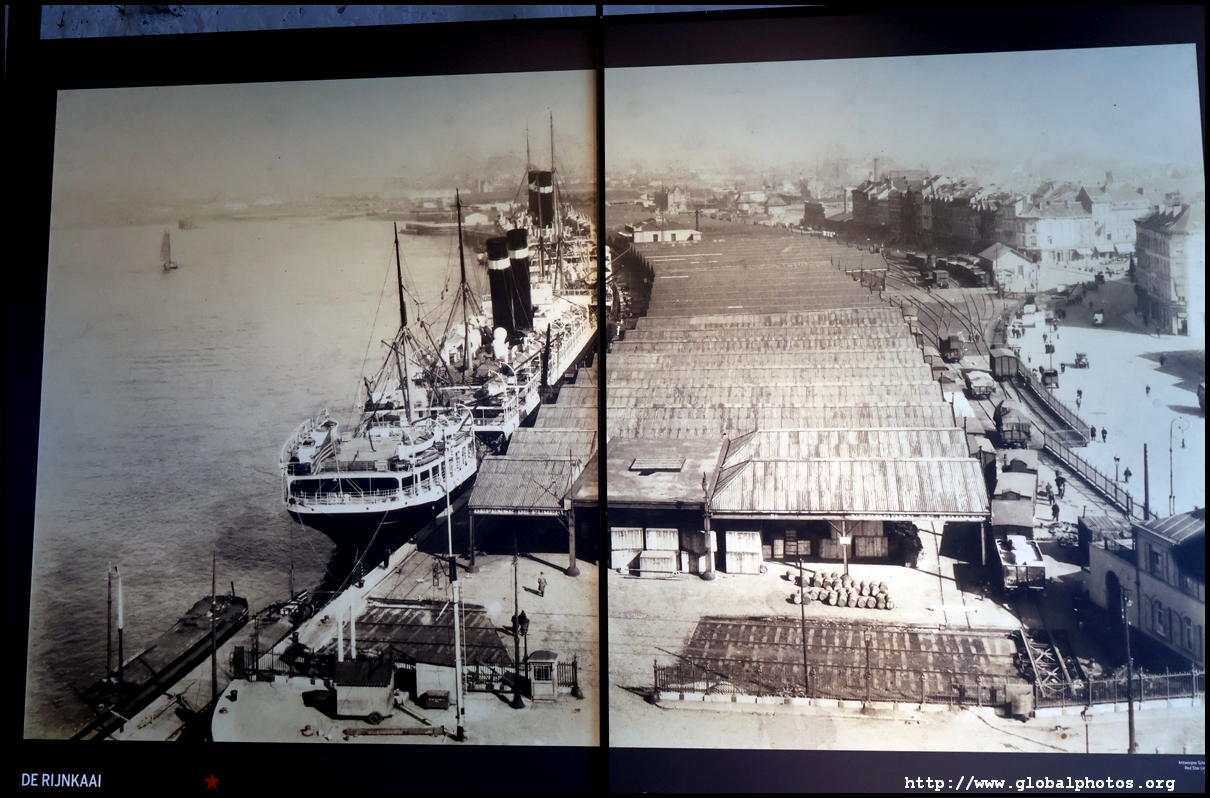
The Red Star Line operated out of Antwerp's harbour area Eilandje with its ships moored along the Scheldt. The main wave of immigration took place from the 1870s up to the Great Depression, with each departing ship able to accomodate as many as 2500 passengers. Most of these people were not Belgian; Europeans from all over came to Antwerp for a trip across the Atlantic.
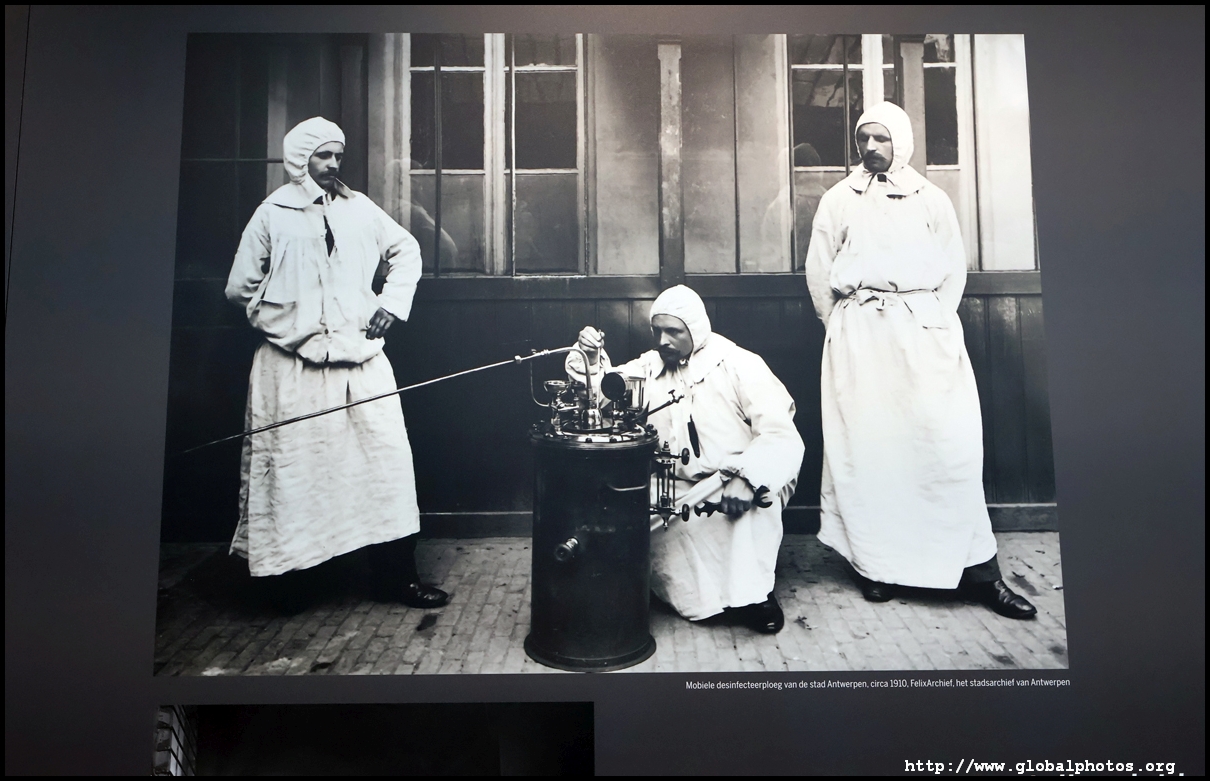
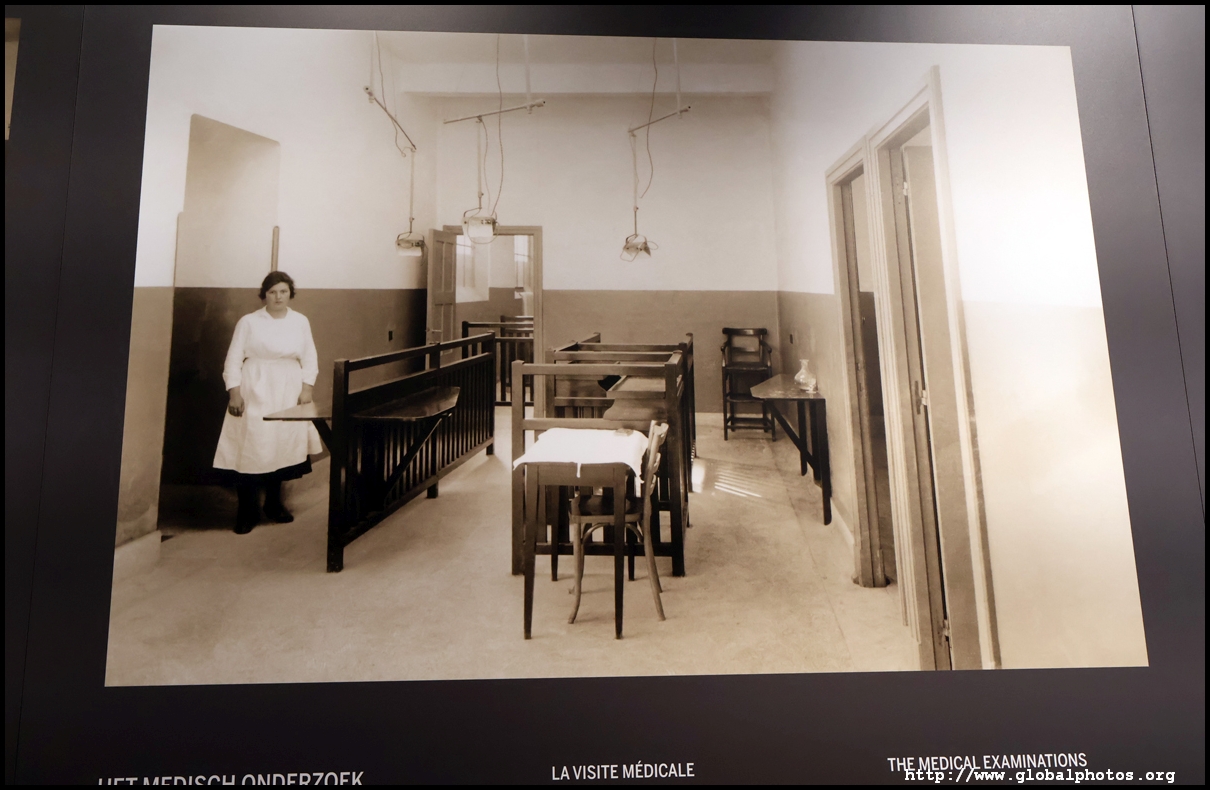
During the 19th century, Antwerp's residents lived in cramp and dirty conditions as the city expanded and cholera outbreaks took place. They took aim at the migrants fearing they bring disease. Upon their arrival at Central Station and until departing on the ship, they were examined for contagious diseases repeatedly.
By the early 1920s, passengers bound for the ships were checked in Red Star Line's buildings. They were seen by 3 doctors - from the US or Canadian government, the shipping line, and from the Belgian Emigration Service. Passengers were checked for parasites, veneral diseases, and physical well-being.
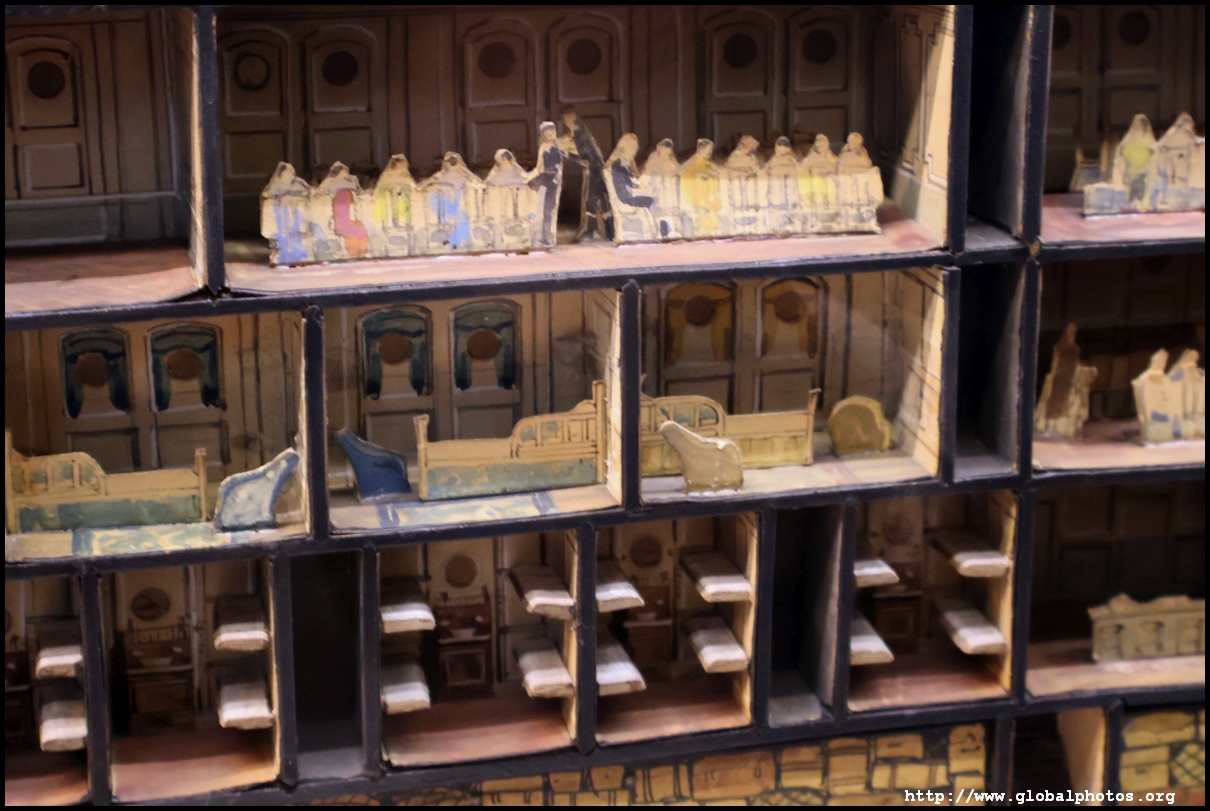
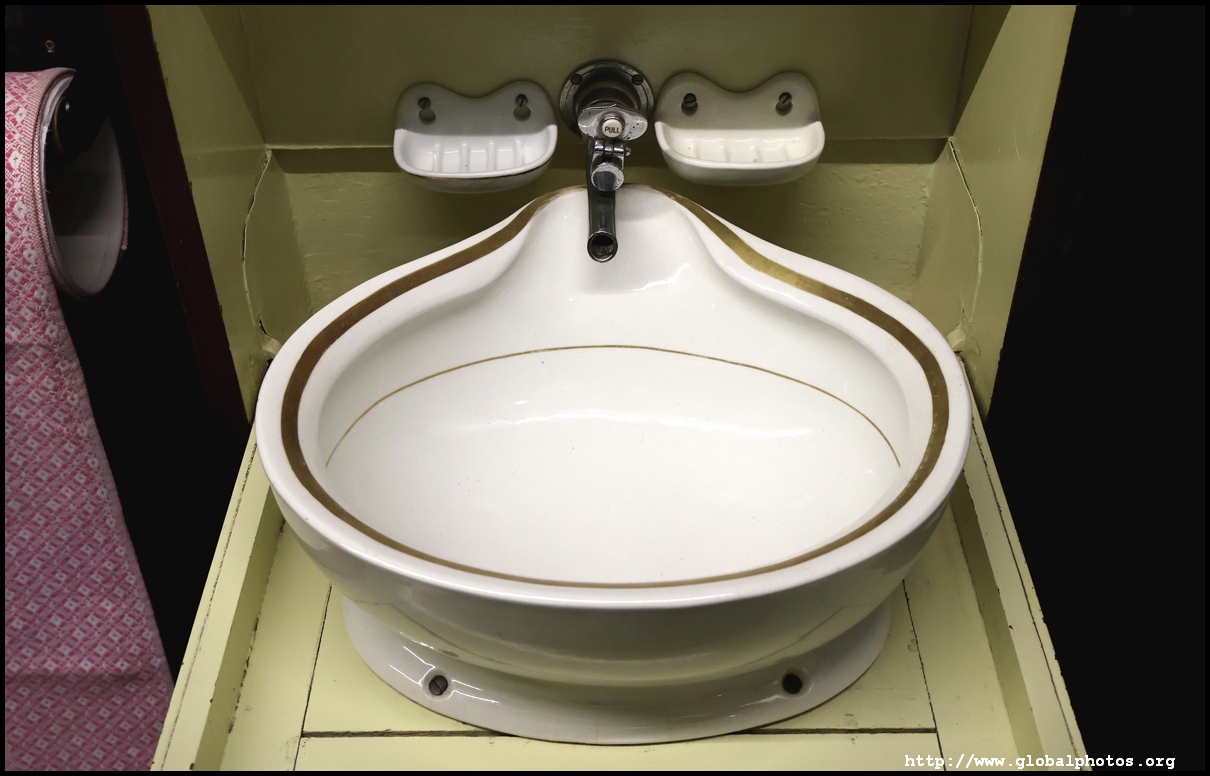
For the poorer passengers, the journey in steerage was not very pleasant with packed conditions. However, these ships were able to make the journey across the Atlantic to New York in just 10 days.
Heading upstairs, there is an outdoor section where you can climb to a vantage point and observe the riverfront and imagine how, a hundred years ago, these migrants would venture to Antwerp, go through numerous hurdles and checks, and board a giant ship bound for a new life.
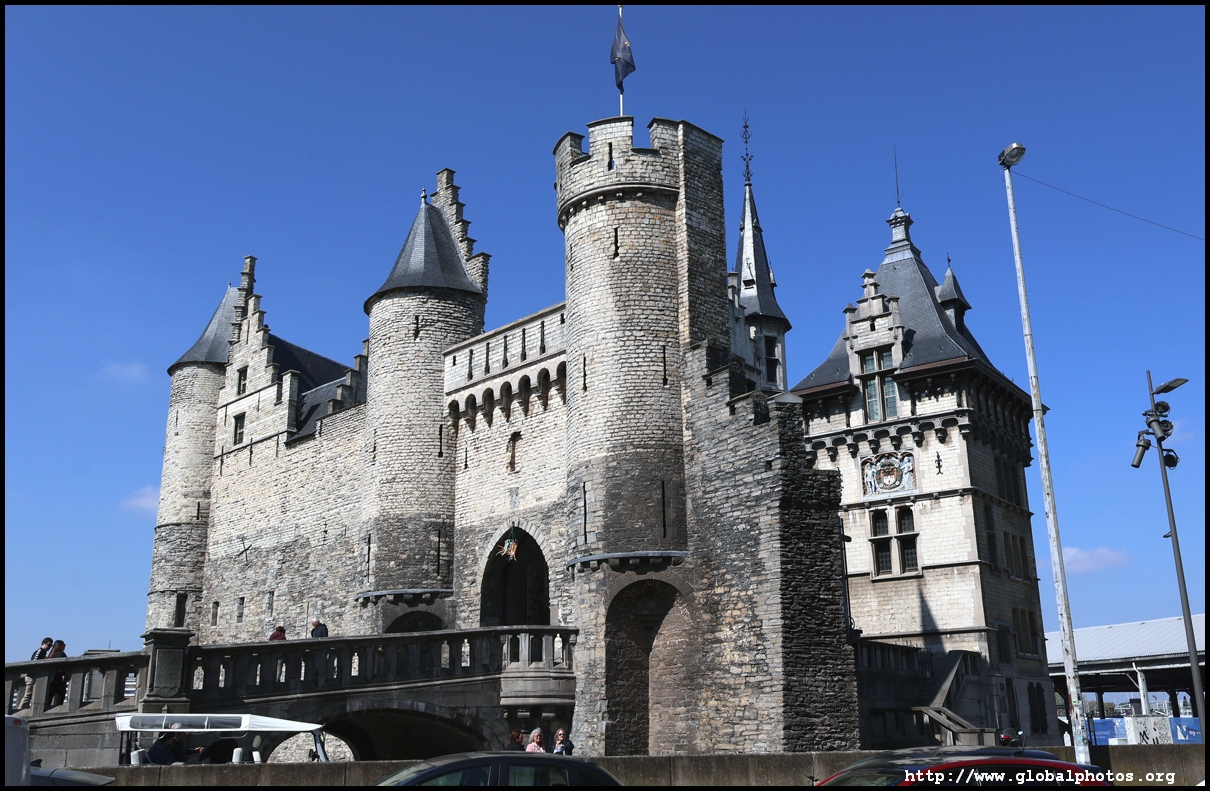
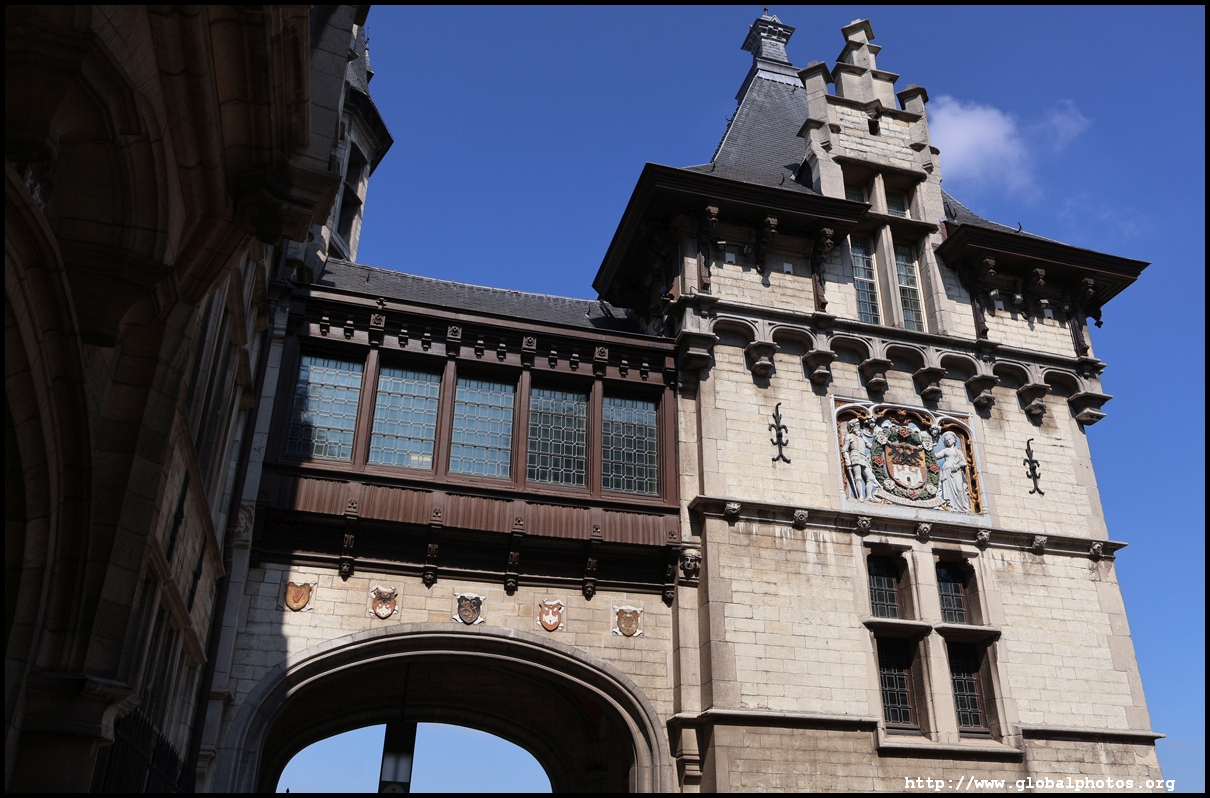
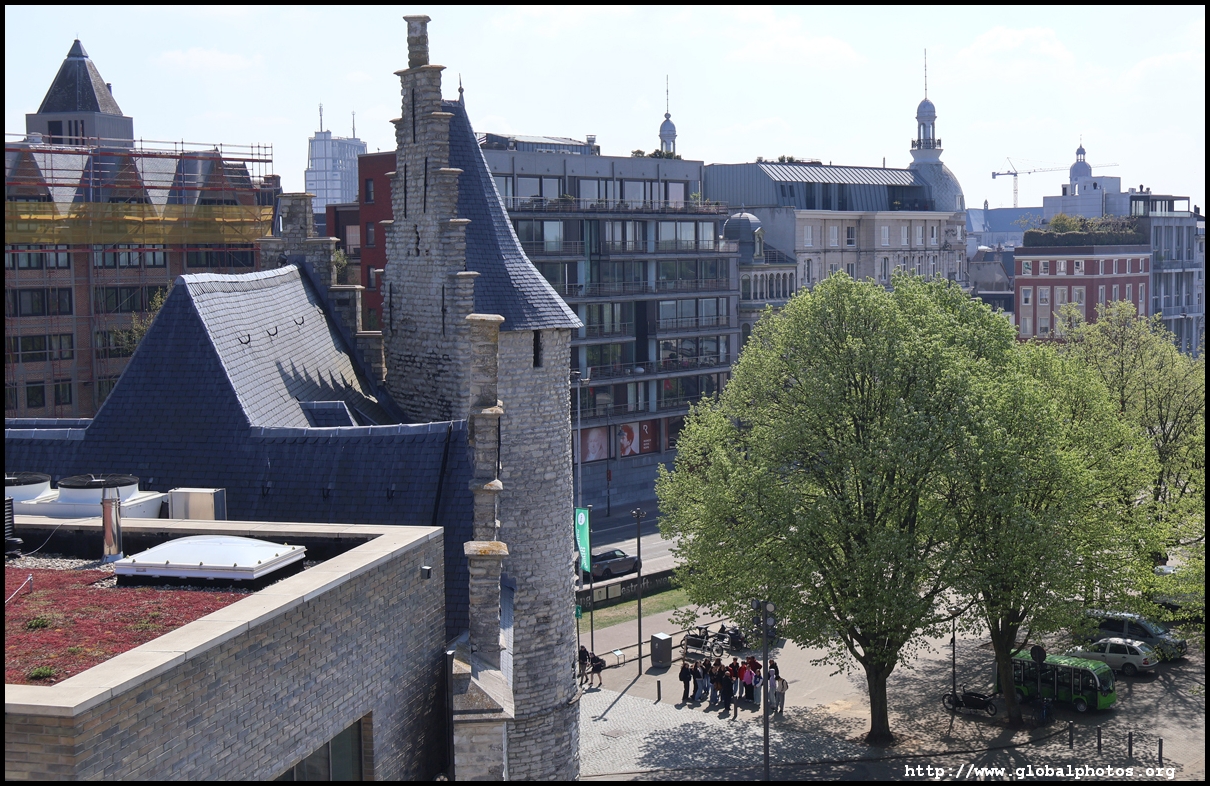
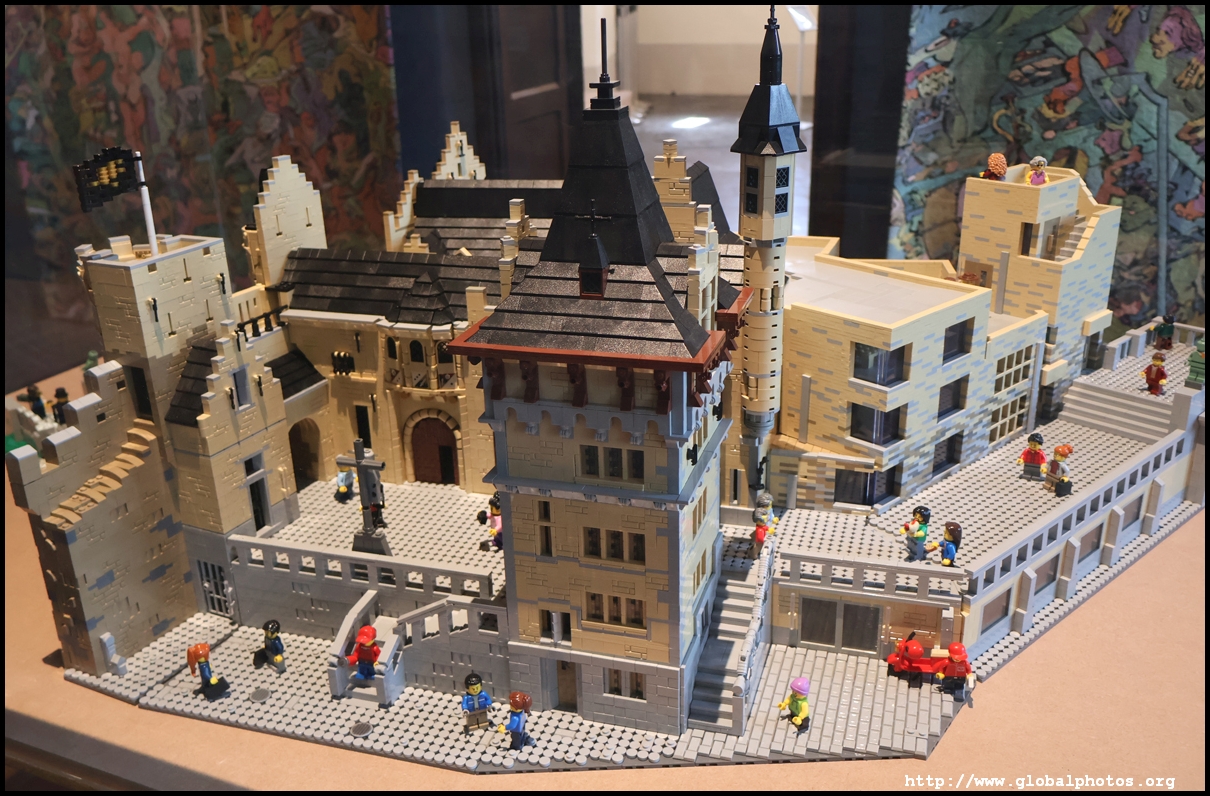
Located along the waterfront, Het Steen was once part of the city's defenses and dates back to the 13th century. It is Antwerp's oldest building, and has been renovated into a visitor's centre with a panoramic viewing terrace.
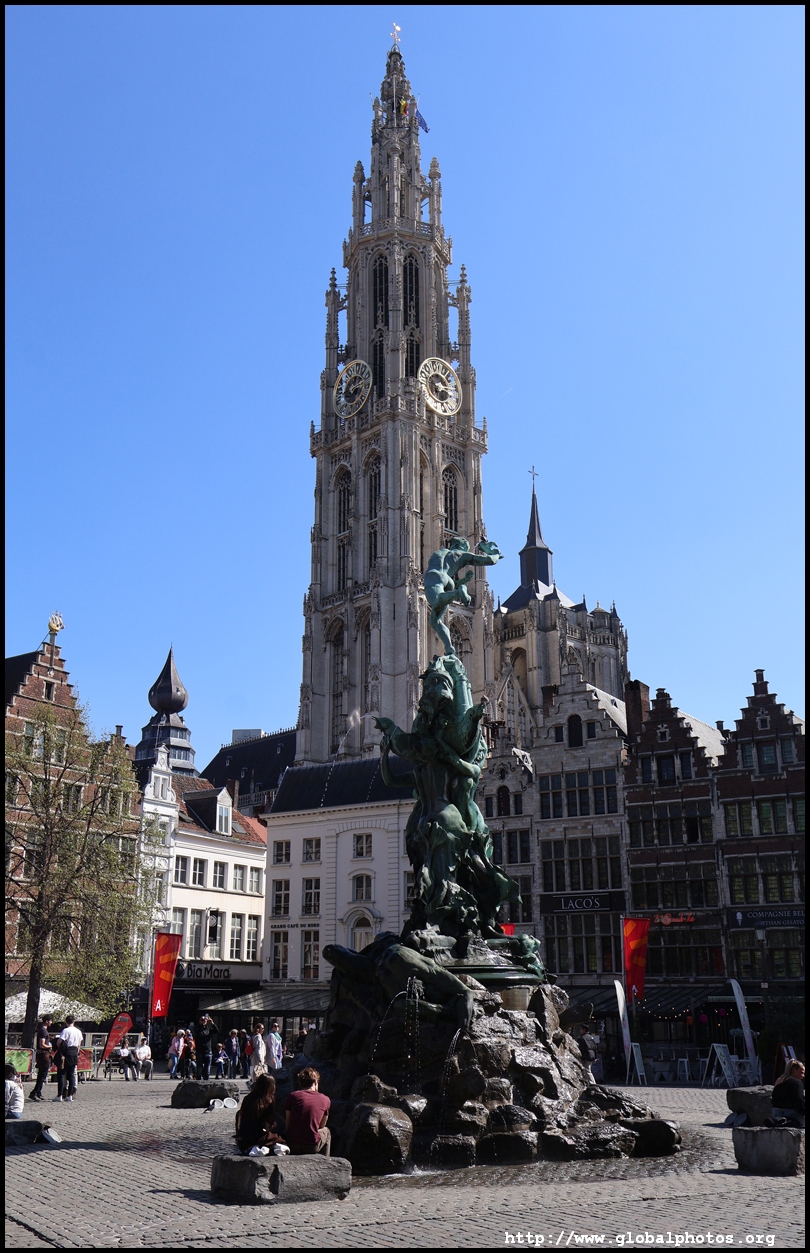
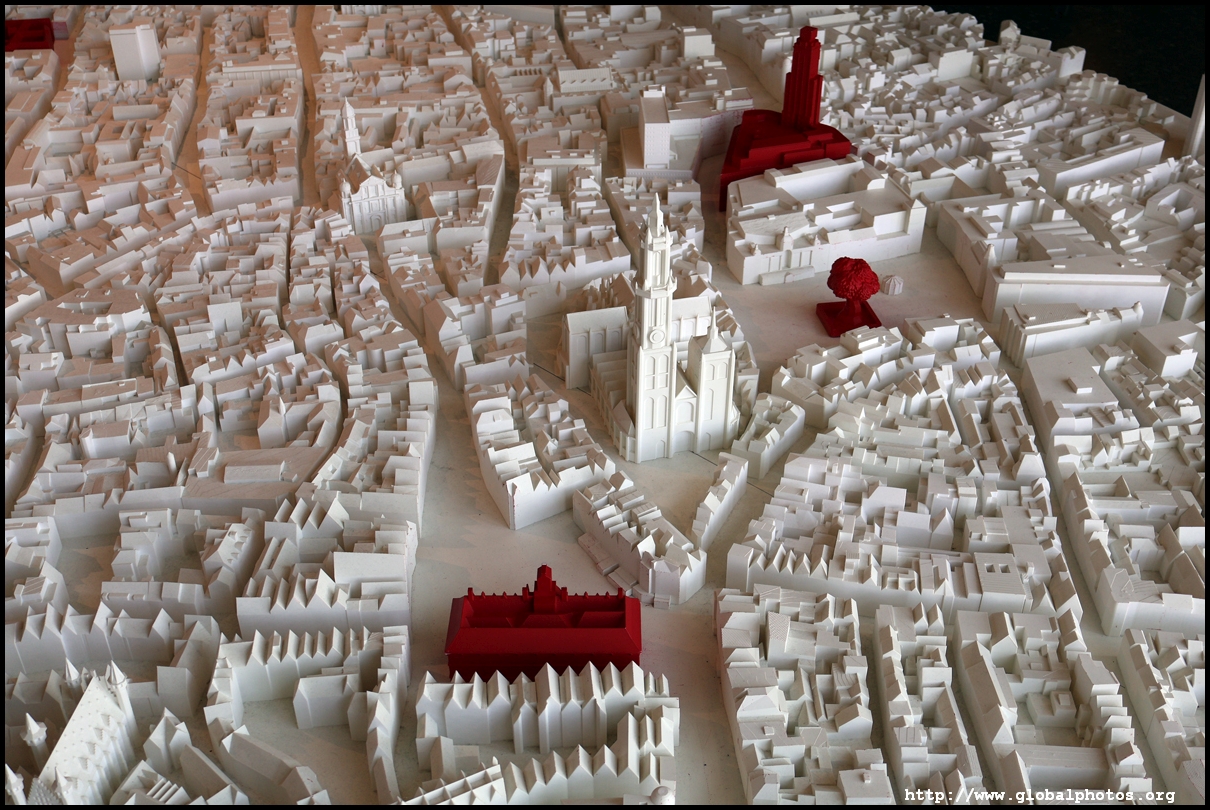
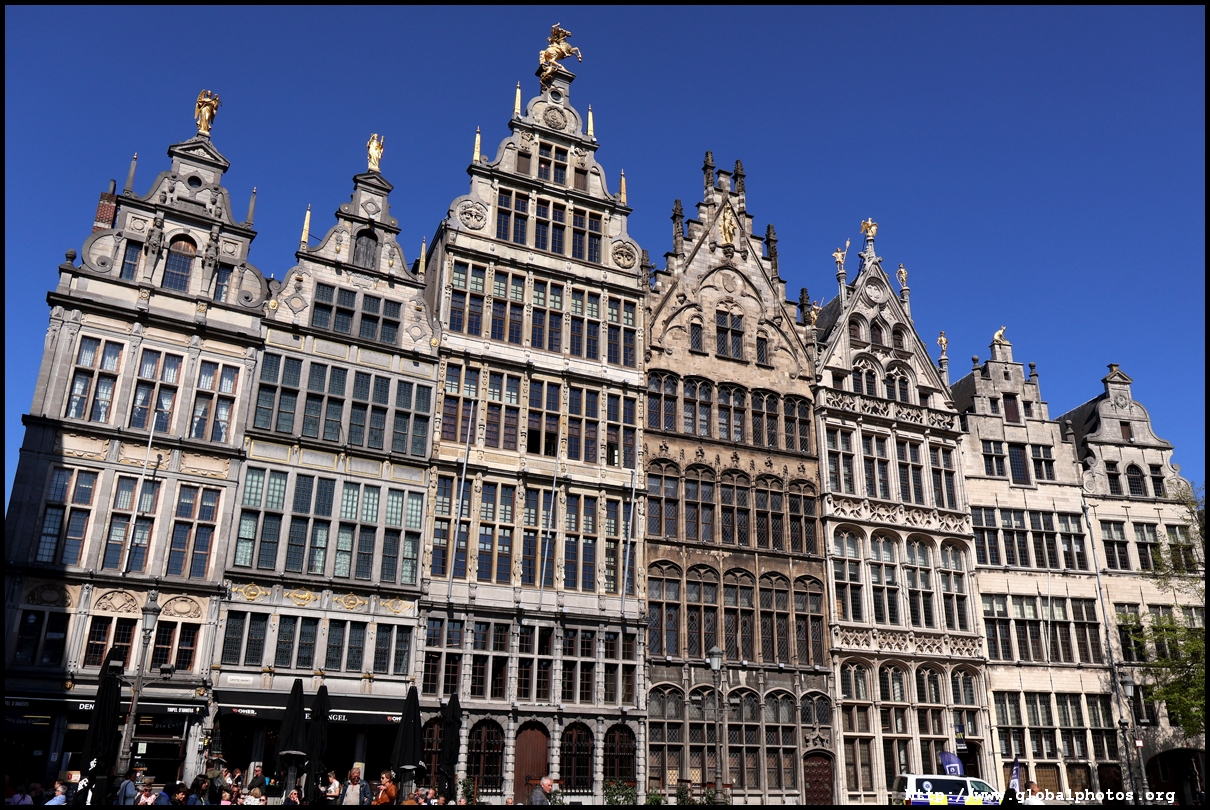
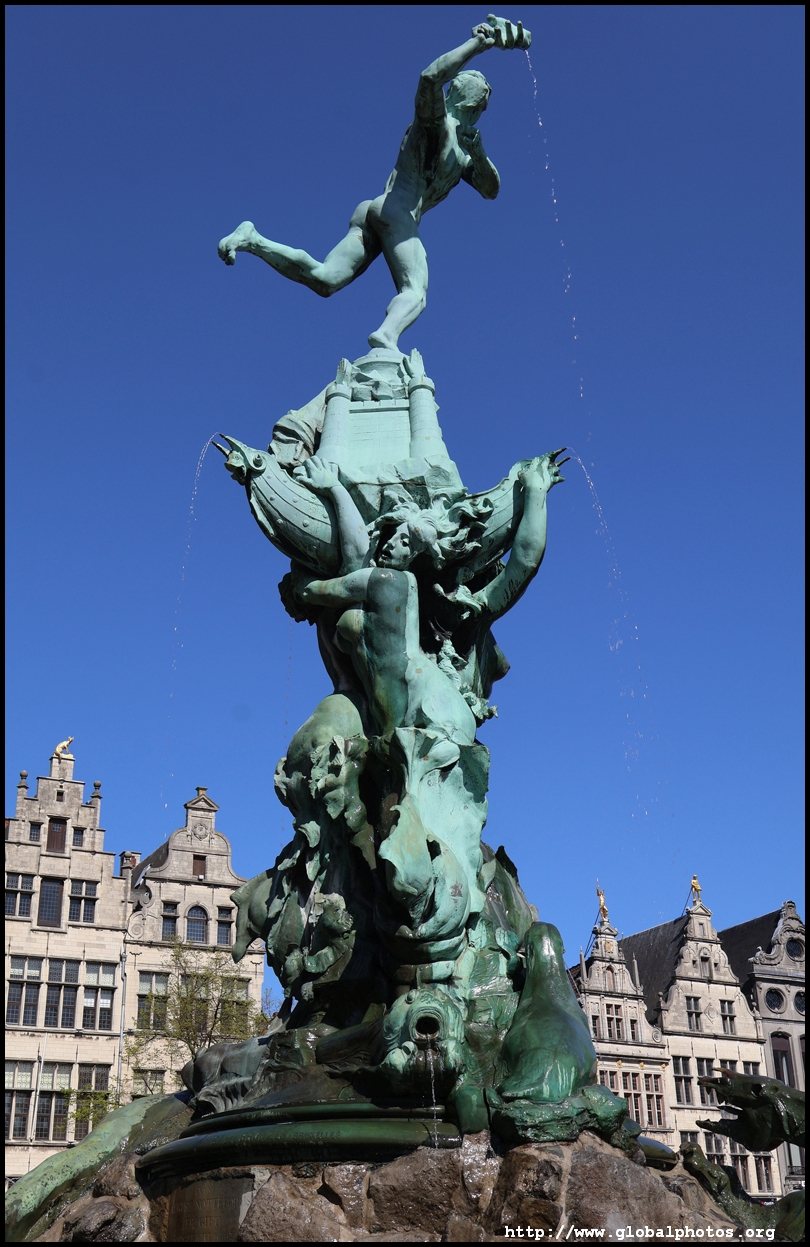
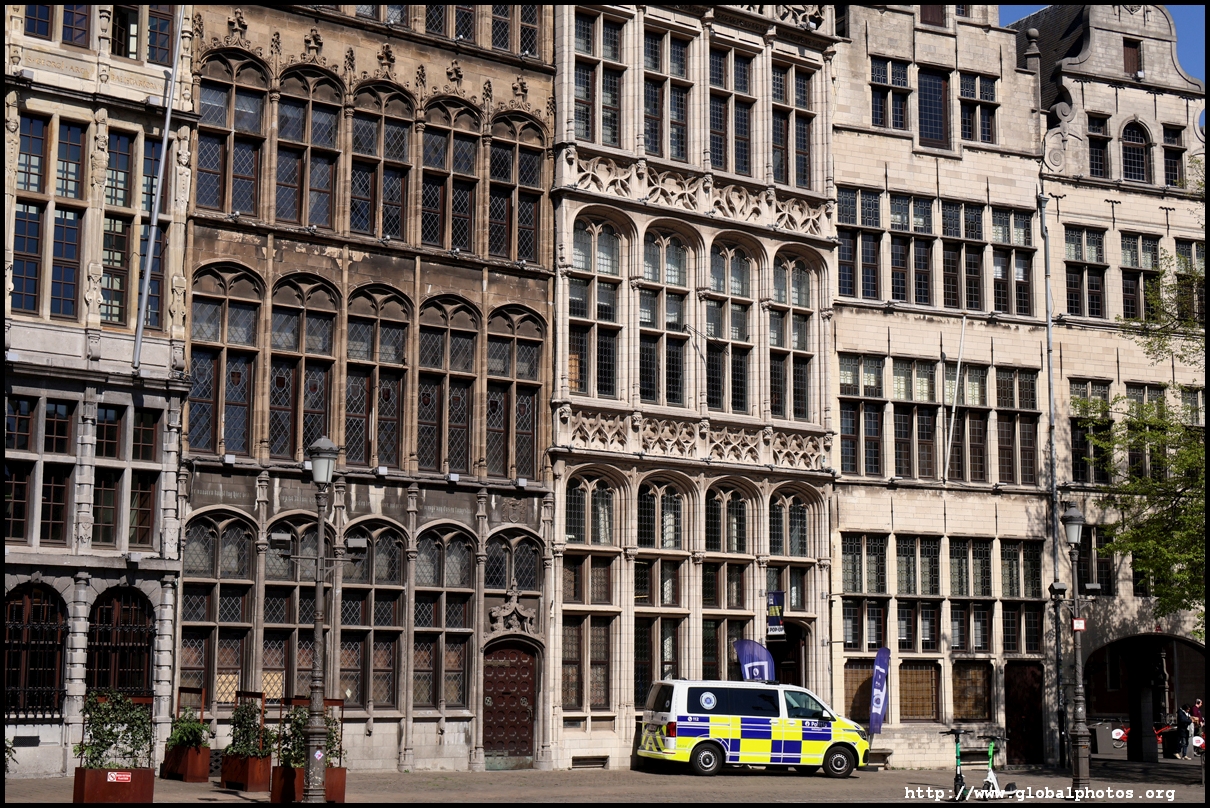
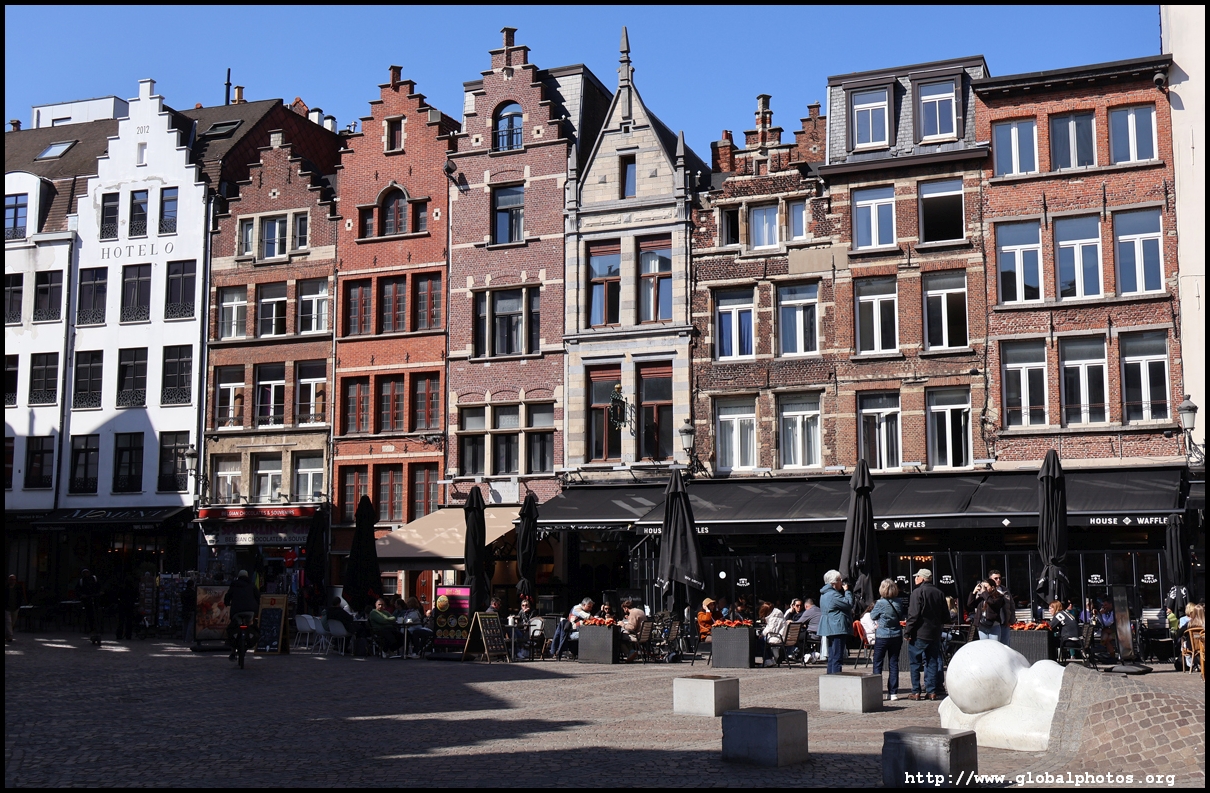
Grote Markt is a quieter but no less pretty version of Brussels' Grand Place. One side is home to a number of beautiful guildhouses with another occupied by the Stadhuis, which was completed in 1566. At the centre is the Brabo Fountain, whose design comes from the legend of the Roman soldier Brabo beating Antigonus, who collected tolls from passing ships, cutting off his hand and throwing it into the river.
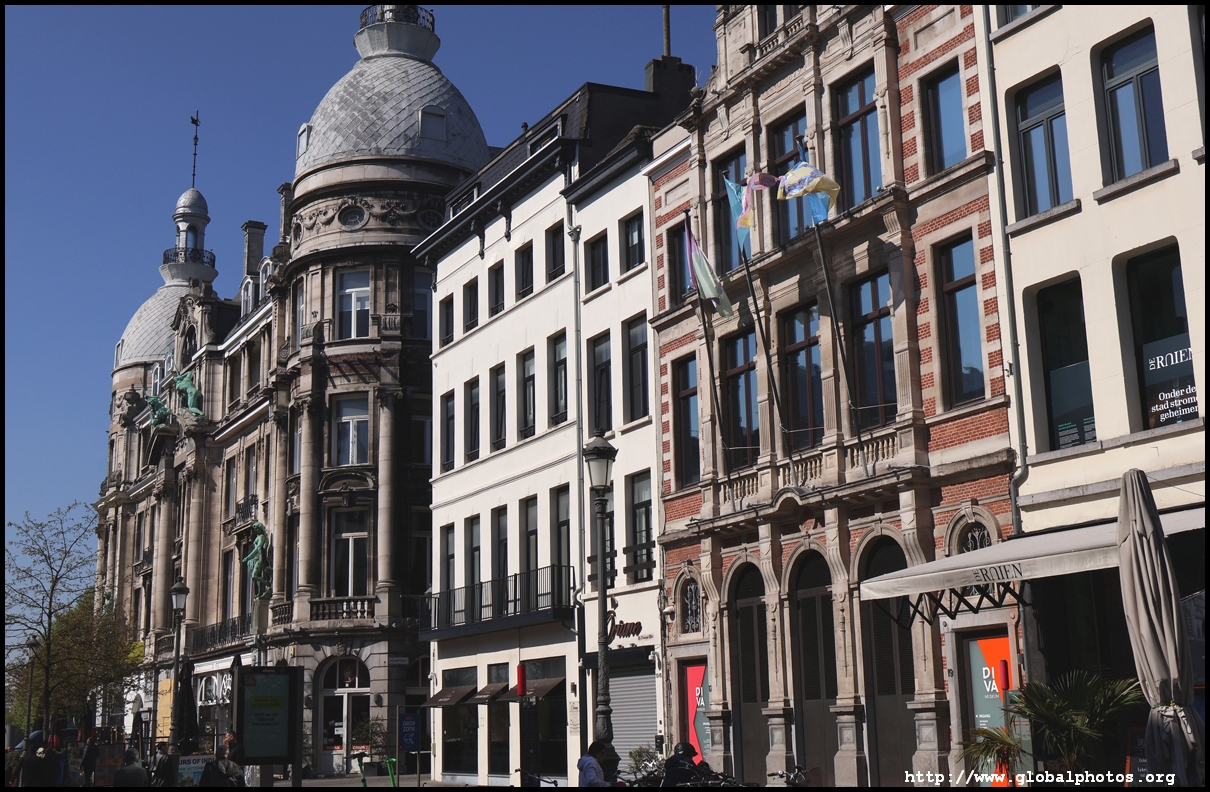
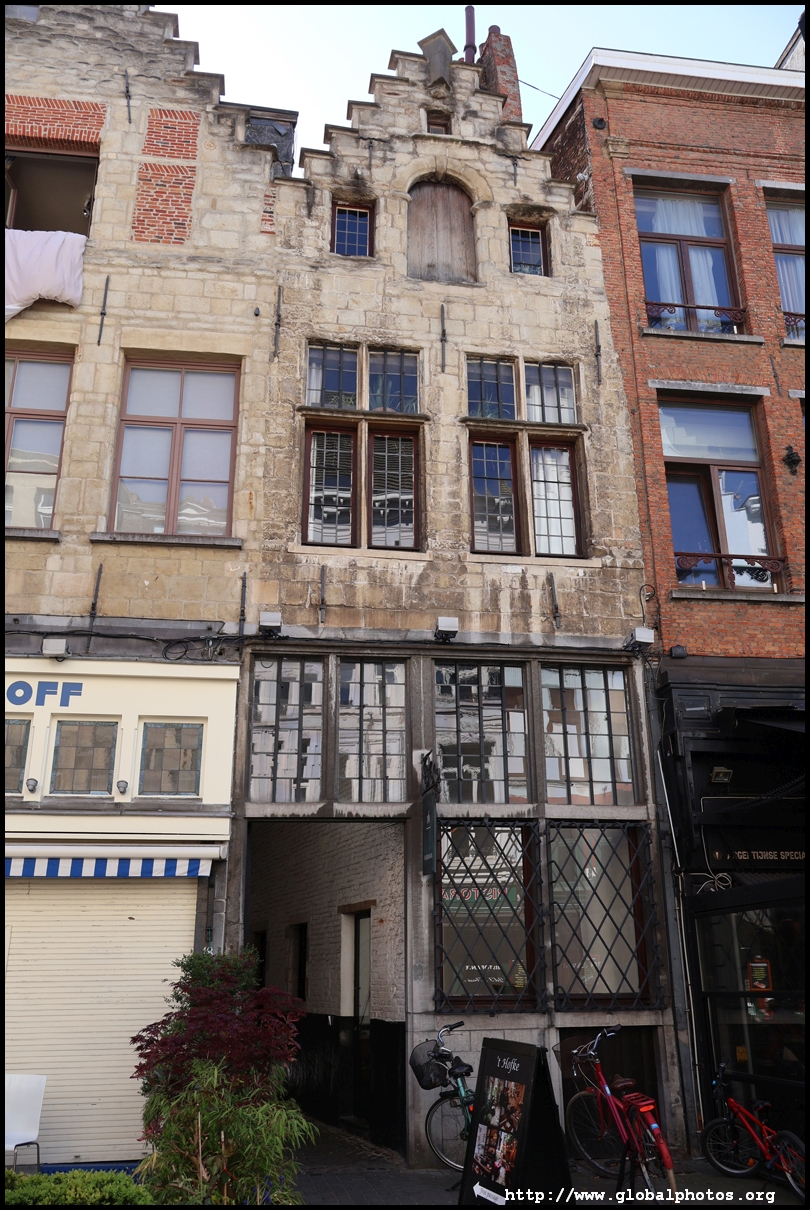
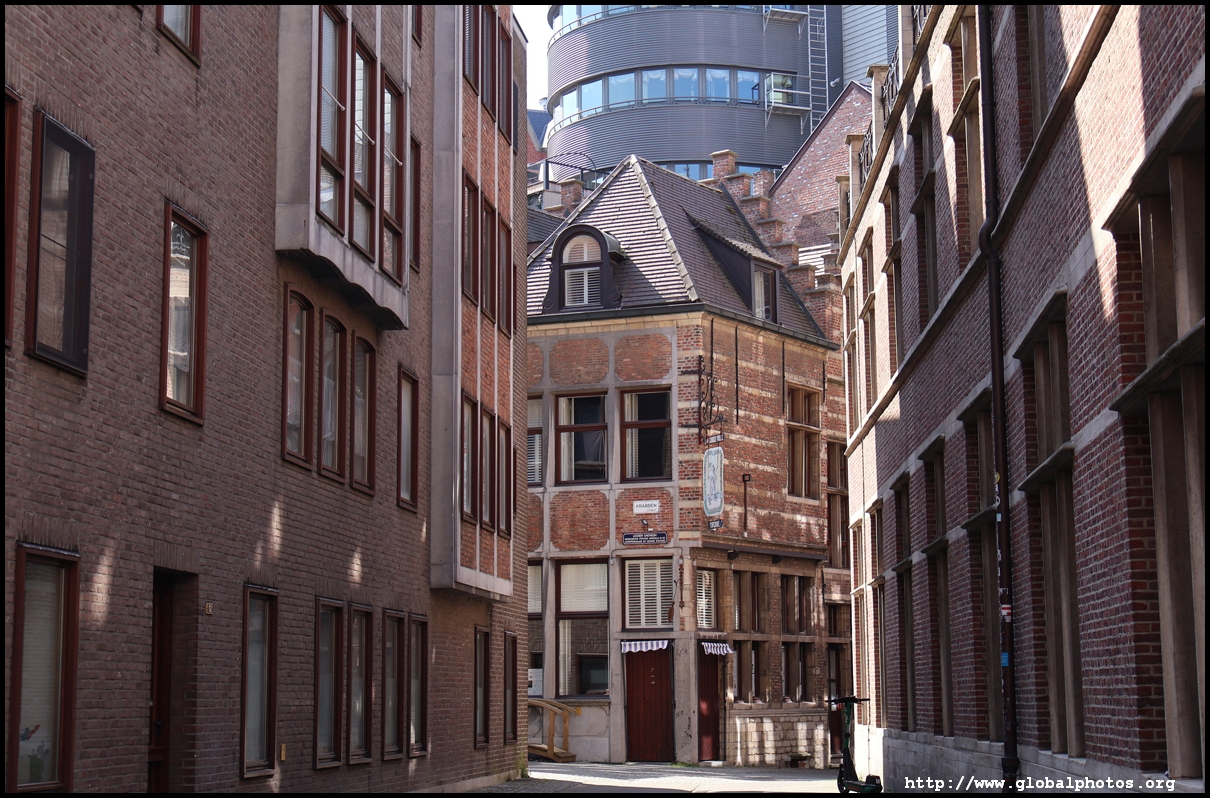
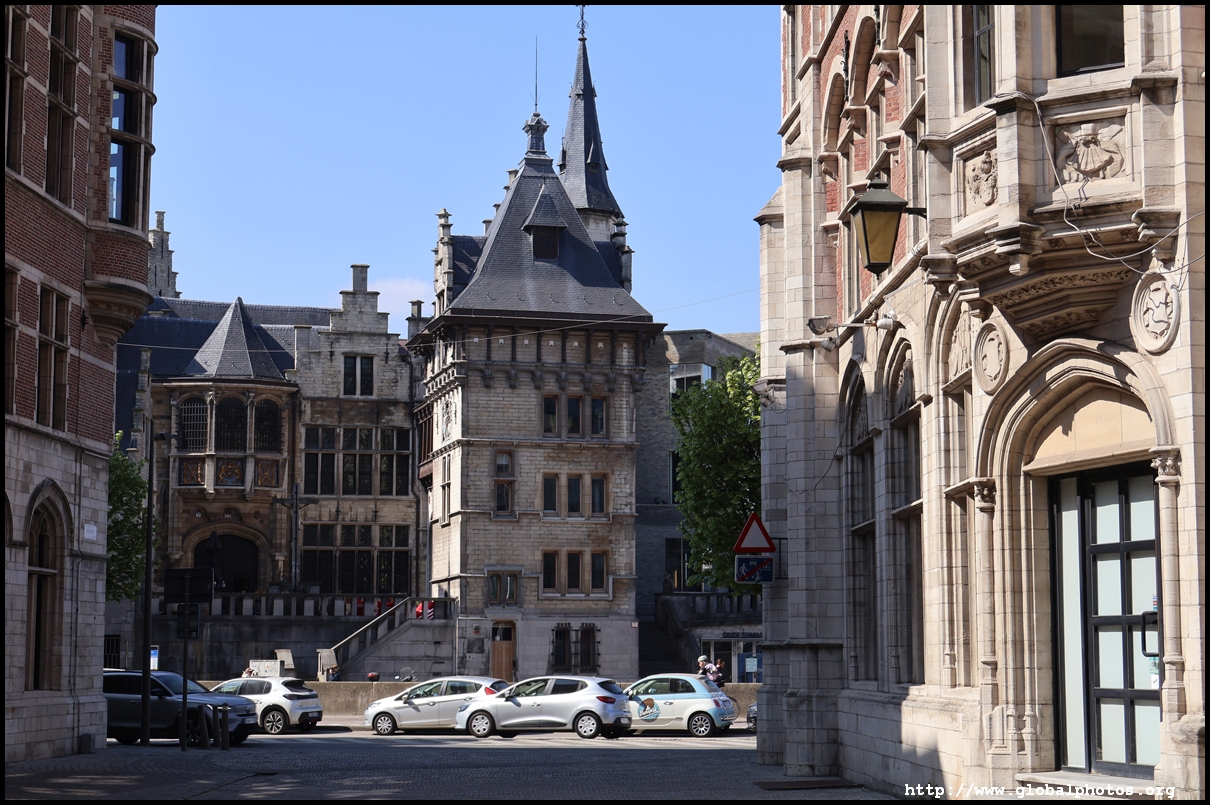
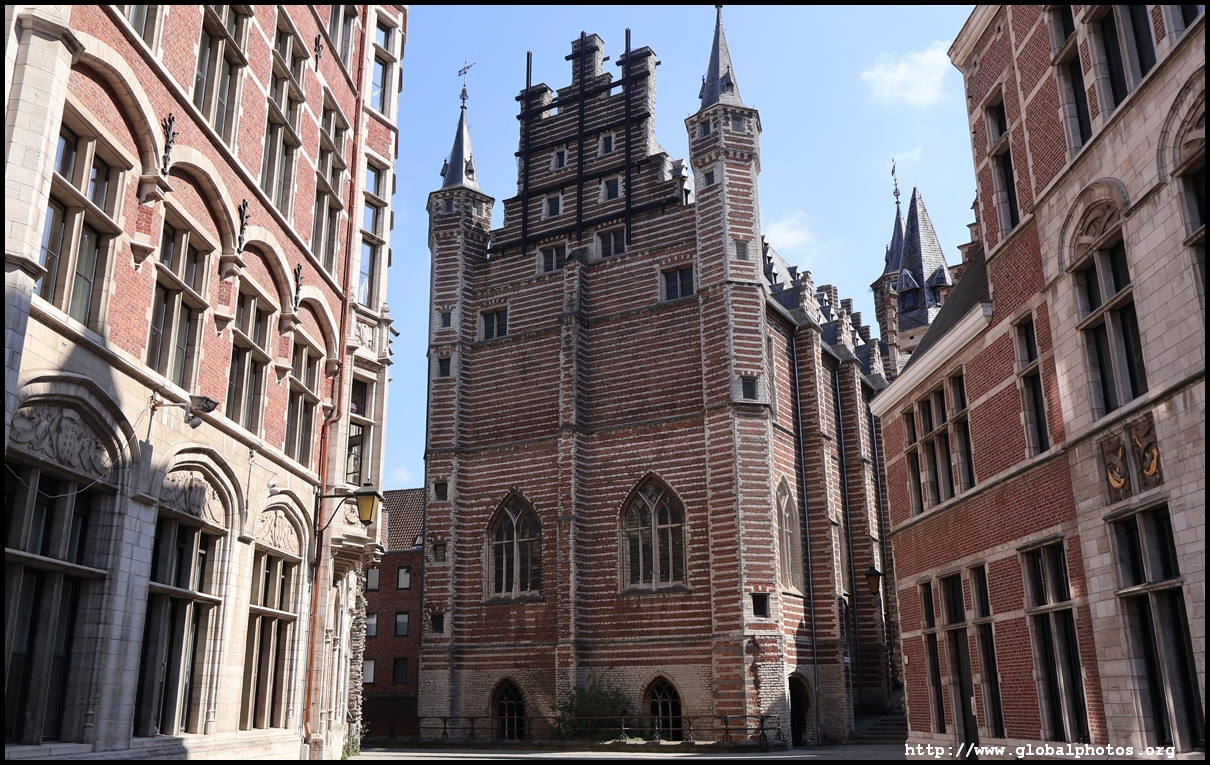
Neighbouring streets are very touristy as this is the epicentre of Antwerp's historic centre.
Wow. That Grand Place is just as nice as Brussels’ (I haven’t been in years, decades in fact, you could’ve fooled me into thinking it’s Brussels in those pics)
Wow. That Grand Place is just as nice as Brussels’ (I haven’t been in years, decades in fact, you could’ve fooled me into thinking it’s Brussels in those pics)
Yes! It's just like Brussels but without the crowds.














 Linear Mode
