Quote:
Originally Posted by odinthor

|
Thanks,
Odinthor, I figured an
easterner must have come up with the name! The Narragansett people are an Algonquian-speaking tribe, belonging to the larger Algonquian language family and cultural group of Indigenous peoples from the Northeast and they originally inhabited the area of present-day Rhode Island and are closely related to other Algonquian tribes like the Wampanoag and Pequot.
And not that anyone wants more specificity, but
Algonquin refers to a specific First Nation tribe in the north eastern part of North America, part of the larger
Algonquian language family and cultural group, which includes many distinct tribes (like Cree, Blackfoot, Ojibwe, Delaware) sharing related linguistic and cultural traits, with
Algonquin being the namesake for the whole group, causing the confusion. Essentially, all Algonquins are Algonquian, but not all Algonquian peoples are Algonquins.
Many familiar names to U.S. citizens are derived from this language, such as shikaakwa (Chicago), Quinnehtukqut (Connecticut), Massachusett is from the Massachusett tribe and the Indiana/Illinois Wabash River is from the word waapahshiki, meaning "white water" or "shining water."
LOS ANGELES
Bringing the topic back to NLA and the Tongva tribes that were predominantly here. Tongva/Fernandeño refers to the Indigenous people of the Los Angeles Basin and Southern Channel Islands, with Tongva being the widely accepted ancestral name, while Fernandeño was a Spanish-given name for those absorbed by Mission San Fernando, highlighting their connection to the San Fernando Valley region within the larger Tongva territory. They are the original inhabitants of this area, known for extensive trade, complex culture, and ongoing efforts to revitalize their language (Tongva/Kizh) and heritage, with descendants using names like Tongva, Kizh, and Fernandeño-Tataviam to identify with specific ancestral villages or mission affiliations.
Some L.A. area Tongva/Fernandeño Place Names (Los Angeles Basin):
Azusa: From the Tongva village "Azucsagna".
[I'd heard the place was named Azusa because it "contained everything from A to Z in the USA.]
Cahuenga: From "Kavwénga," meaning "place of the hills" or "place of the fox."
Malibu: From "Humaliwu" or "Umalibu," meaning "place of the wild surf" or "where the surf sounds loudly."
Pacoima: From a Fernandeño word meaning "rushing water" or "the entrance."
Simi Valley: From "Simiyi," meaning "the sheltered place" (Ventureño Chumash).
Tujunga: From the Fernandeño word "Tuxuunga," meaning "place of the old woman." or "place of the sun."
Topanga: From the Tongva village Topanga, meaning "where the mountain meets the sea" or "place of the above."




 Prev
Prev


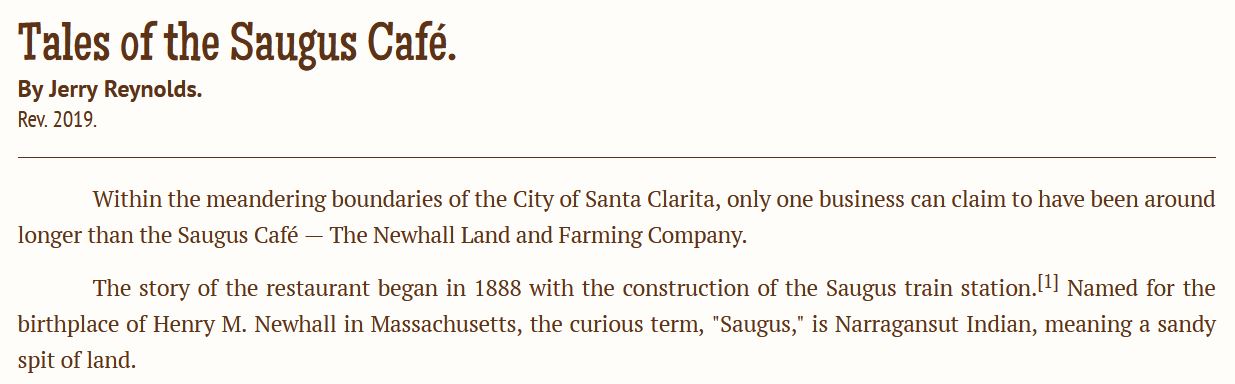


 (if you remember, I briefly worked there - at the pool)




 Linear Mode
