 Posted Yesterday, 12:29 PM
|
 |
New Yorker for life
|
|
Join Date: Jul 2001
Location: Borough of Jersey
Posts: 56,678
|
|
https://www.crainsnewyork.com/real-estat...ont-development-climate-change-20260618/
Waterfront development surges across Brooklyn and Queens despite climate risks

ByJulianne Cuba
June 19, 2026
Quote:
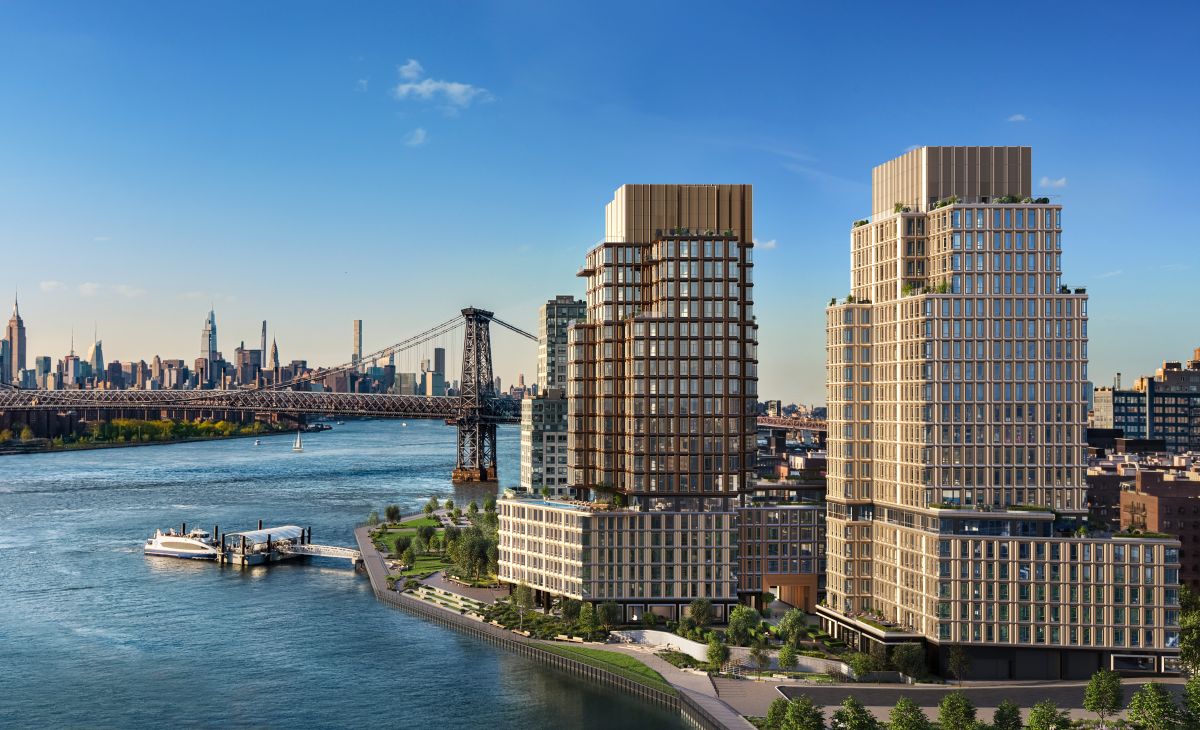
Two Trees Management, which closed on its acquisition of the Domino Sugar site just weeks after Hurricane Sandy in 2012, said climate considerations have shaped virtually every aspect of its waterfront developments.
“Sea level rise and climate change have impacted virtually all of our developments on the Williamsburg waterfront,” said David Lombino, managing director at Two Trees. “At Domino, we’ve made a number of changes based on those issues. We raised the platform that has the park on it by 12 feet. We pulled all of the building sites back considerably from the water’s edge. We put all of the mechanicals above ground level to be able to withstand flooding.”
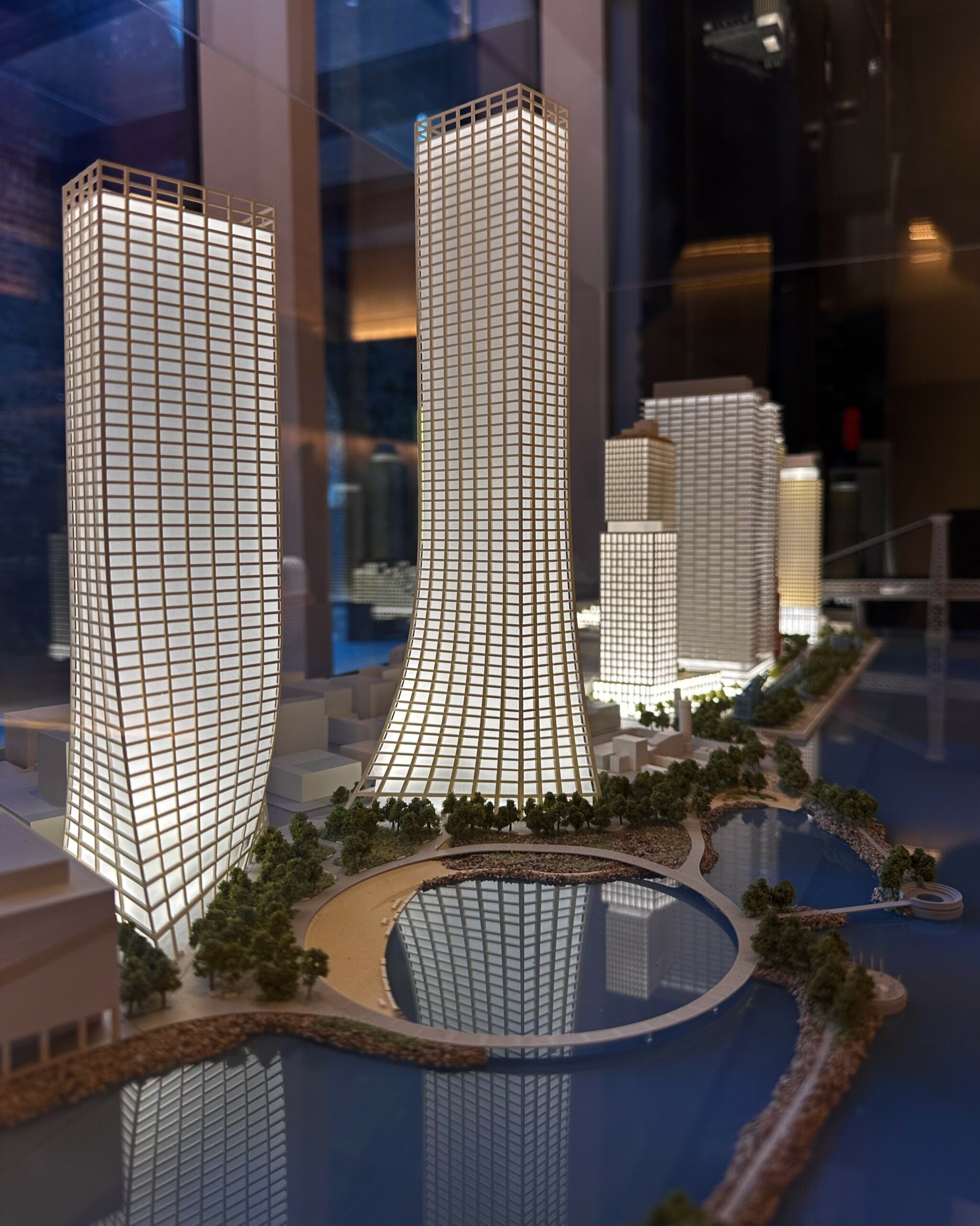
The company plans to incorporate even more extensive resiliency features into River Ring, a mixed-use waterfront project approved by the City Council in 2021. The project represents roughly $150 million in private investment in resilient infrastructure, Lombino said.
Among them are offshore breakwaters designed to reduce wave action and help protect the shoreline from storm surges.
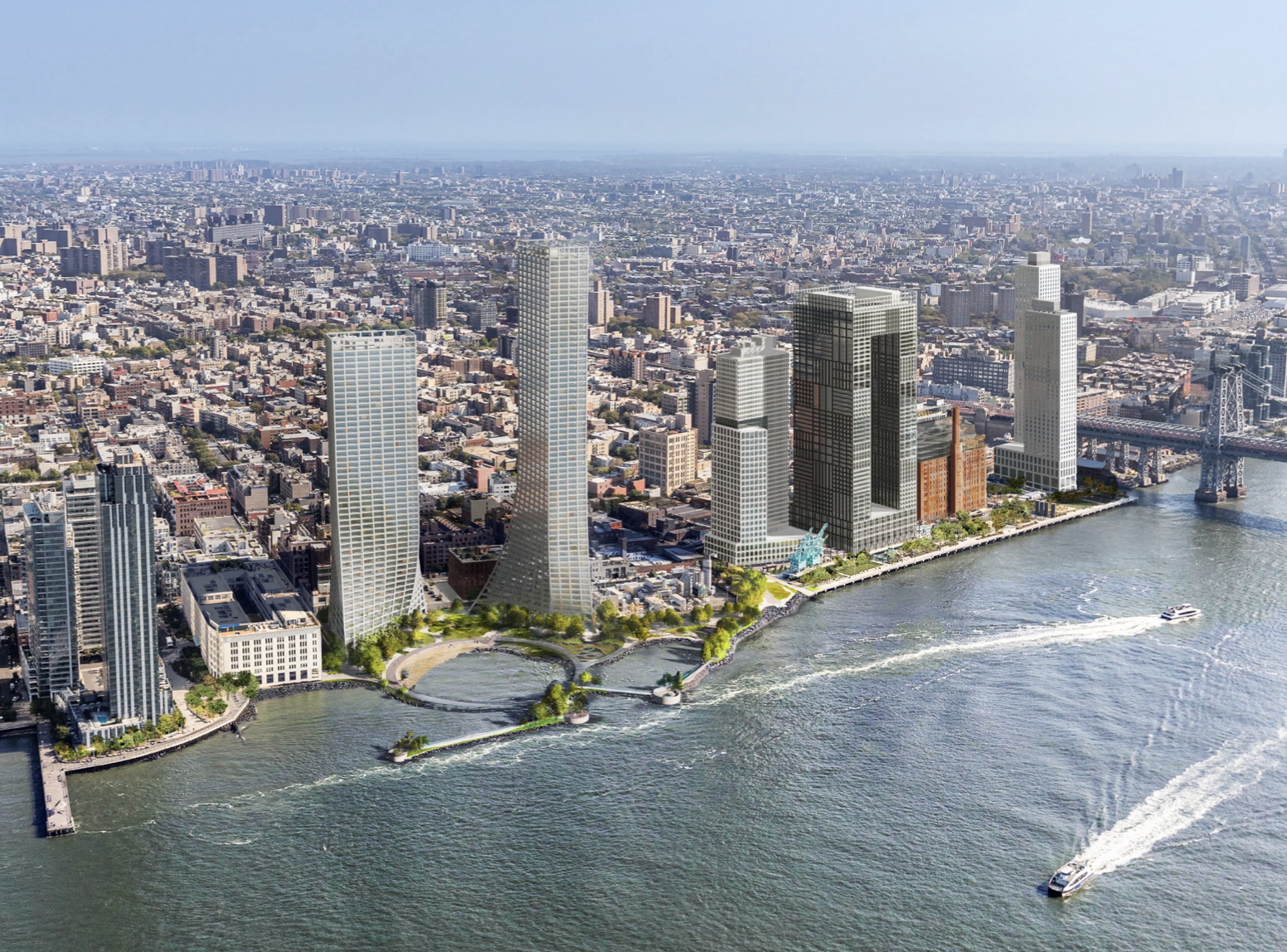
The project, located between North 1st and North 3rd streets along River Street, will feature two residential towers above a circular boardwalk, a beach and a waterfront park. The first tower is not expected to be completed until 2033.
Organizations focused on waterfront planning are also pushing developers to adopt higher standards.
The Waterfront Alliance administers the Waterfront Edge Design Guidelines, or WEDG, certification program, which is currently in its third iteration. The program is built on three core principles: resilience, ecology and public access.
“It focuses on how to design new buildings and infrastructure along waterfronts to make sure they’re resilient, ecologically sound and publicly accessible,” Raskin said.
Under the program, developers submit plans that are evaluated against a rigorous set of standards designed to exceed baseline zoning and building-code requirements.
“Our hope is that if a building goes through the WEDG process, it’s meeting a set of standards that goes above and beyond,” Raskin said.
|
Quote:
Julie Raskin, president of the nonprofit Waterfront Alliance that advocates for coastal resilience, is welcoming the focus.
“It’s important for development to get it right from the start because it’s much more costly to go back and make changes later,” she said.
One of the most significant changes since Hurricane Sandy in 2012 has been the relocation of critical building systems, such as HVAC equipment and boilers, from basements to upper floors. As a result, many former basement spaces are now used for building amenities, like gyms, instead. Developers are also investing in stronger seawalls, expanded plantings and dunes to help buffer storm surges and wave action.
“I think the most significant change you’re seeing is moving utilities out of the basements,” said Cohen, who was named one of Crain’s Notable Leaders in Sustainability in 2025. “Typically, you would put them at low grade because that’s space you’re not going to rent or sell very easily. But now developers recognize that those systems need to be protected.”
Jeremy Shannon, director of sustainability and climate action at New York’s largest architecture firm, Gensler, said developers are increasingly looking beyond today’s flood map projections and are incorporating longer-term climate forecasts into their planning.
|
__________________
NEW YORK is Back!
“Office buildings are our factories – whether for tech, creative or traditional industries we must continue to grow our modern factories to create new jobs,” said United States Senator Chuck Schumer.
|





 Prev
Prev






 Linear Mode
